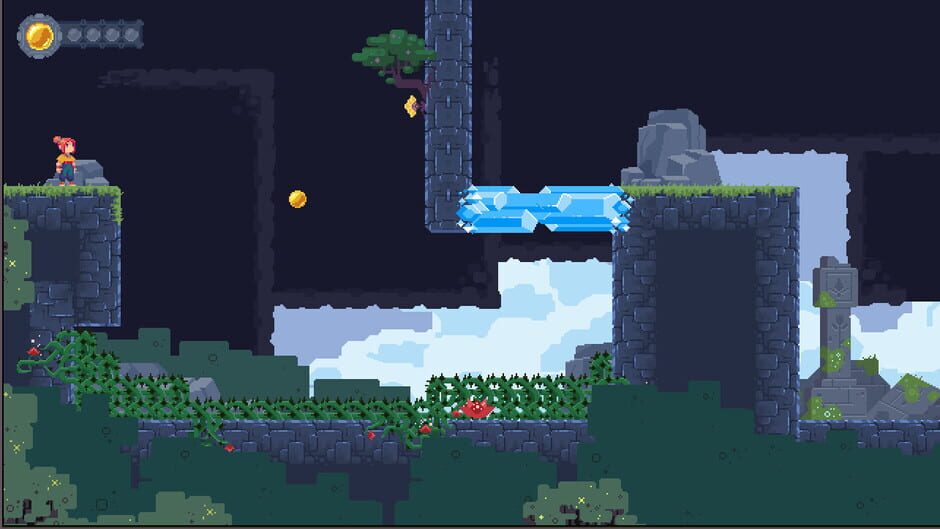
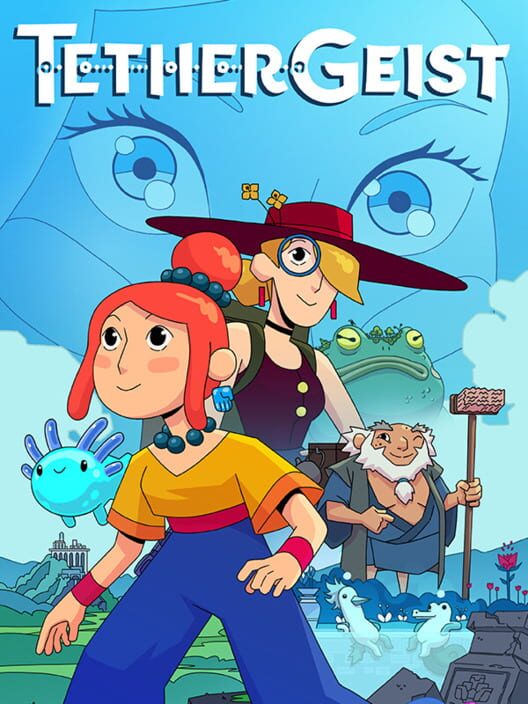
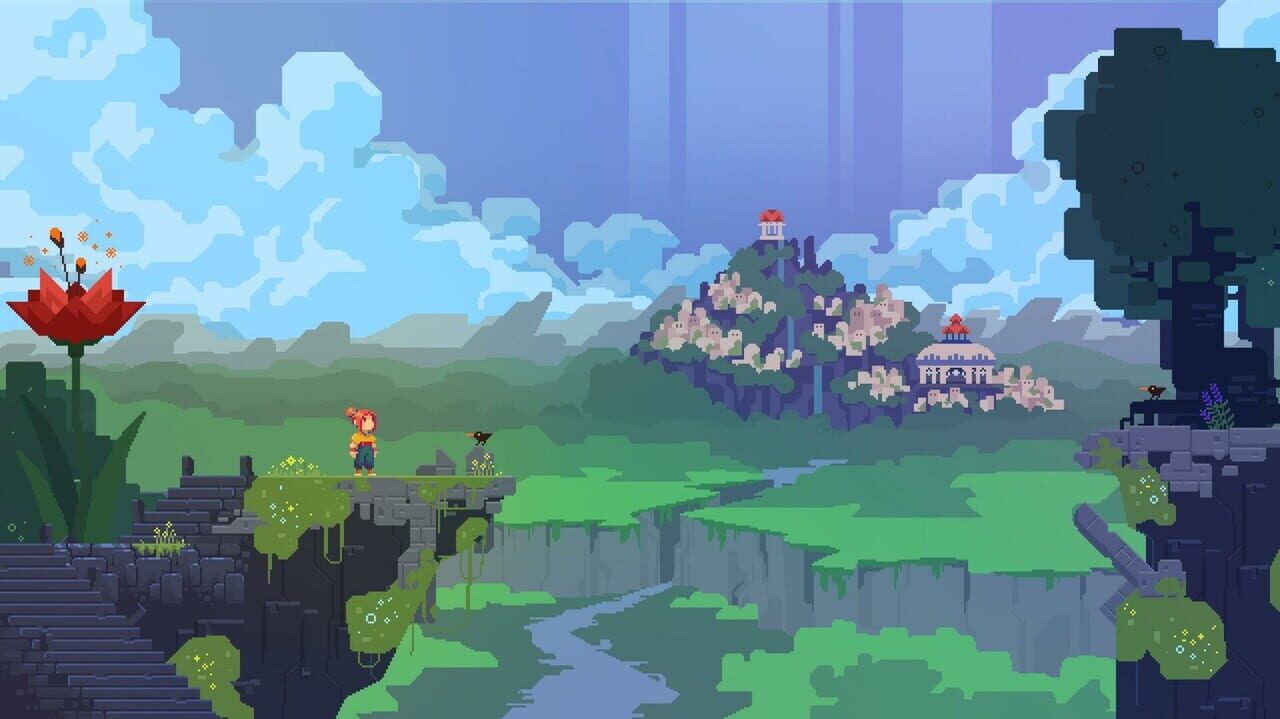
TetherGeist is easy to miss if you only follow the big releases. It's a small precision platformer from O and Co. Games and Out of Space Games, released on Switch, Switch 2 and PC in late May. You play Mae, a young shaman whose spirit can only travel a short distance from her body. OpenCritic has it at 88, with scores from 8/10 to 9.5/10.
Almost every review brings up Celeste, and almost every one ends up saying TetherGeist earns the comparison.
TetherGeist review scores
When we checked, OpenCritic showed an 87.5 average from 10 reviews, an 82.5 median and every critic recommending it.
- Loot Level Chill: 9.5/10
- NintendoWorldReport: 9/10
- Nindie Spotlight: 8.7/10
- TechRaptor: 8.5/10
- So Many Games: 4/5
- Nintendo Life: 8/10
- PS4Blog.net: 8/10
- VDGMS: 8/10
Critics differ by degree, not direction. Even the low end is a clear recommendation, and the high end calls it one of the year's best indie platforming surprises.
Parker Johnson at Nintendo Life called it "a great precision platformer" that "may be my favourite 2D platformer I've played since Celeste." Celeste has become shorthand for fast deaths, instant restarts, small exacting rooms and a mountain that's both a place and a metaphor, and TetherGeist doesn't dodge the comparison.
J.P. Corbran at NintendoWorldReport was more careful: comparing an indie game to Celeste can be "too ambitious," but TetherGeist is "in many ways worthy of being mentioned alongside that classic." It's praised for surviving its influence, not hiding it. Loot Level Chill went furthest: "the best precision platformer I've played since Celeste," with "seriously unique movement mechanics and perfect controls."
How the tether mechanic works
In Mae's world, shamans project their spirits freely. Mae can't; her spirit is tethered to her body, so every projection has a limit. In the story that sets her apart. In play it's the whole movement system.
Robert Scarpinito at TechRaptor says that limitation creates "challenging precision platforming puzzles that test your reaction time and lateral thinking." It isn't just about pressing the button at the right moment. You need to understand how each room works before you commit.
The mechanic keeps expanding. Nintendo Life describes variants where Mae fires an orb and teleports to it, gets a speed boost after projecting, or interacts differently with walls and hazards. TechRaptor counts seven kinds of Azae, each with its own traversal ability, including a ball-like projection that banks off walls and passes through thorns, later complicated by red zones, portals and switches. VDGMS notes it all runs on three controls: move, jump and split.
Levels are built like puzzles, but solving them feels like movement: read the screen, learn the sequence, fail a few times, then make it through in one clean line. NintendoWorldReport: "I rarely felt like I didn't know what the game was asking of me: I just had to pull it off." The game can be mean for a few seconds at a time, but it convinces you the solution is within reach.
What critics agree on
Pacing. Nintendo Life says "no one mechanic overstays its welcome" and that it ends at the right time, around 10 hours. TechRaptor says new powers arrive slowly enough to learn. NintendoWorldReport says new ideas show up just as each ability starts to feel comfortable. Precision platformers often either run out of ideas and crank up the pain, or pile on mechanics that never get room to breathe. TetherGeist avoids both.
Collectibles. Nintendo Life points to Atropa Blossoms hidden in secret rooms, behind foliage or past optional moves near the main path. TechRaptor counts over 200 red atropa flowers, some tied to the true ending. NintendoWorldReport compares them to Celeste's strawberries: optional, and mostly a measure of your stubbornness.
The villages between levels. Nintendo Life spends time on the towns Mae visits, especially Monty, a town crier losing his sight who can no longer safely lead a ceremony. The side characters don't change the game, but they give the journey warmth between the hard rooms.
TechRaptor is warmest on the story, saying systems and narrative work together around disability, pity, accommodation, and the difference between being unable and doing things differently. It calls the writing "insightful and charming," with silly details alongside serious moments. The game makes Mae's limitation literal and lets you live inside it through movement. That could easily turn preachy; reviews say it mostly doesn't.
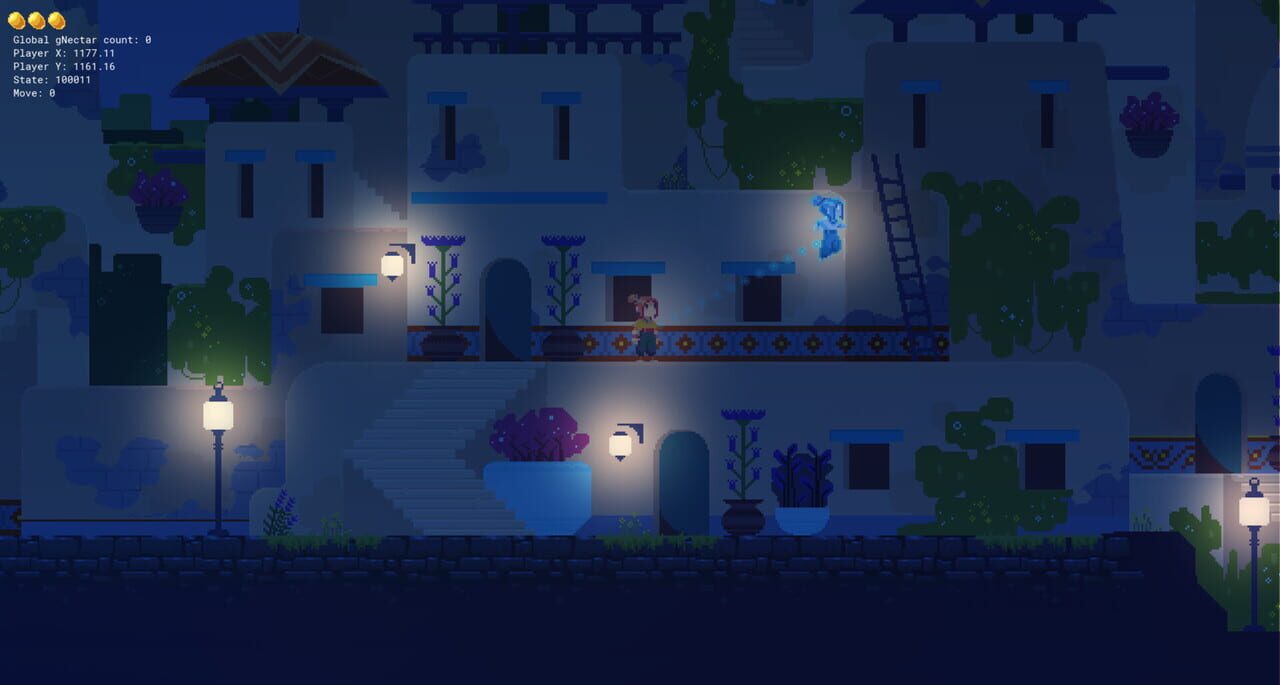
Where the reviews split: story and strictness
The disagreement is about how well the idea becomes a whole game.
Nintendo Life likes the towns but calls the main story the game's "Achilles heel." Mae is fun and helpful but grows too little, leaving her closer to a caricature. Johnson also saw occasional screen tearing, though performance was otherwise fine. So Many Games calls the platforming "as good as Celeste" and the game "a landmark addition to the genre," but says the dialogue isn't at the same level.
TechRaptor's criticism is mechanical. Some powers point so clearly to one intended path that there's little room to improvise, some sequences allow "very little leeway," and the camera sometimes can't keep up. Its verdict: "While at times a little too difficult, its core journey is worth experiencing." NintendoWorldReport says the precision can "veer into feeling unfair," though frequent checkpoints keep that in check.
That's probably the deciding warning. If you love repeating a room until your hands catch up with your head, it's an easy recommendation. If you bounce off games that demand exact inputs with little room to improvise, the 88 may hide a dealbreaker. It suits players who like strict platforming, authored solutions, quick resets, optional collectibles, and a story that links difficulty to self-acceptance. It's less convincing if you want expressive movement or a story that hits as hard as the mechanics.
Should you play TetherGeist?
TetherGeist has no famous licence, and even its praise keeps naming another game. Small releases in that position usually get treated as footnotes. The reviews say otherwise: a small game can be openly influenced and still earn its place. It borrows Celeste's room-by-room discipline and emotional framing, then builds its own movement around the tether.
NintendoWorldReport sums it up: TetherGeist "stands on its own as one of the best precision platformers I've played on Switch or elsewhere." Save it for an evening when you're happy to fail a room ten times without taking it personally, and keep count of your deaths somewhere you can brag about later.