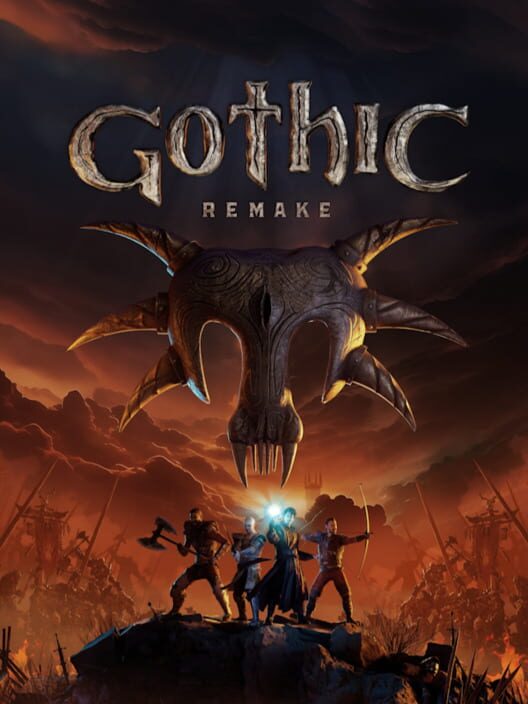
Gothic 1 Remake critics mostly describe the same game, then disagree about how much patience it deserves. Alkimia Interactive and THQ Nordic rebuilt the 2001 cult RPG for PC, PS5 and Xbox Series X/S, and the reviews keep landing on the same strengths and the same scars.
OpenCritic has it at a 73 Top Critic Average with 54% recommending it. Metacritic lists the PC version at 74, with a user score around 8.6. It's not a failed remake and it's not a clean win: it's a stubborn, atmospheric RPG modernized just enough to play in 2026, keeping enough of the old Gothic temperament to annoy anyone hoping it would go soft.
Gothic 1 Remake review scores
- TheSixthAxis: 8/10
- The Games Machine: 8/10
- DualShockers: 7.5/10
- IGN: 7/10
- PC Gamer: 60/100
- Push Square (PS5): 5/10
GamesRadar called it "brilliant, bizarre, and a bit too obnoxious for its own good." The Games Machine said it takes "everything from the past, glory, soul, and bugs" and throws them "in the face of today's gamers." Reviewers like the world and respect the ambition, then argue about bugs, combat, pacing, quest design, and whether an RPG this hostile to convenience still feels refreshing or just old.
IGN's verdict is the generous middle: "Gothic 1 Remake is undeniably the best way to play this cult classic RPG," but its "one-dimensional combat, uneven pacing, and disappointingly dull second half have aged like milk." The surface, controls, presentation and basic interactions are better. Much of the underlying design is untouched.
PC Gamer is less forgiving: the remake "may have made concessions for new players, but remains an RPG for people who think Daggerfall was the last good Bethesda game." That's funny, and it's also a buyer's guide. If buying a map, reading directions, getting lost and reloading because the swamp ate you sounds like texture, you're the audience. If it sounds like unpaid labour, this won't change your mind.
TheSixthAxis sees the stubbornness as the point, calling it "a superlative reinterpretation of an all-time classic" where the lack of hand-holding makes progress feel earned. It treats the remake as preservation with better lighting, better controls and enough new work to justify going back to the Colony.
What critics agree on: the Colony is still hostile
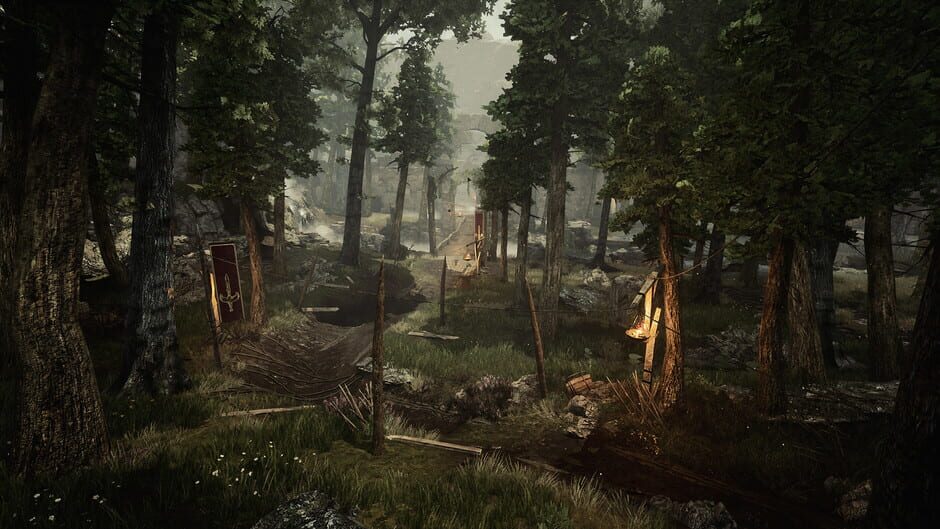
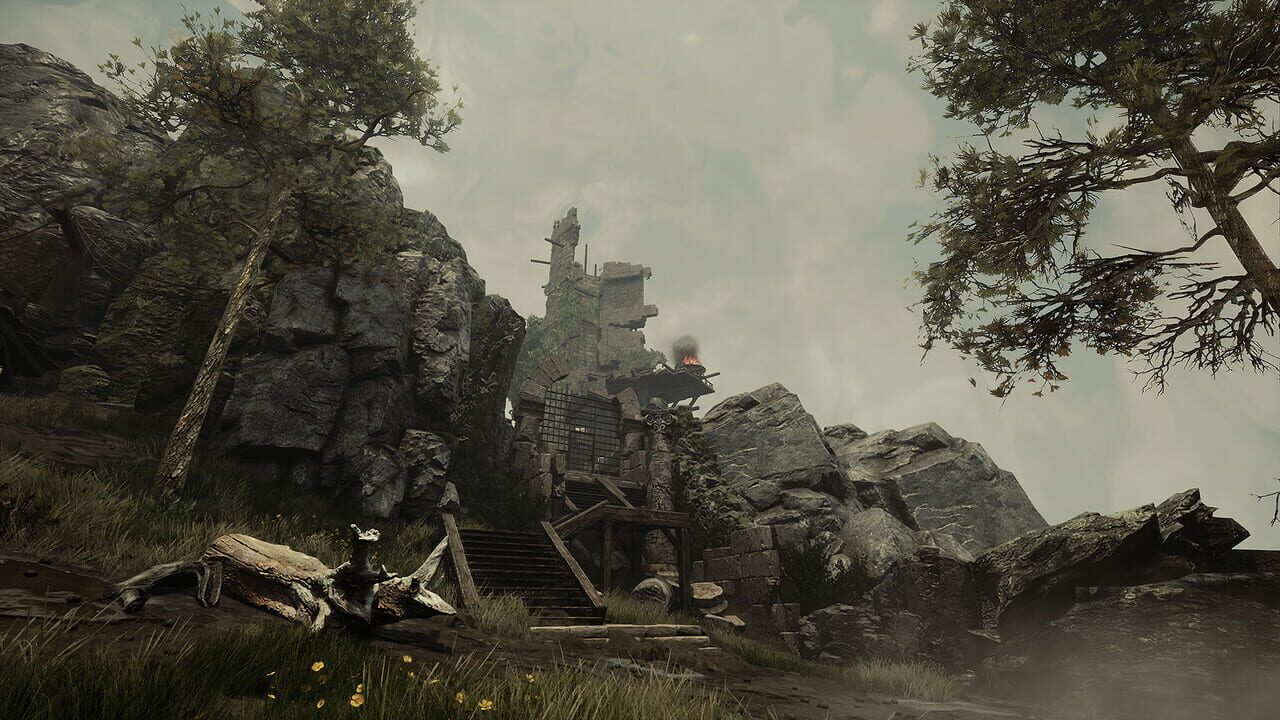
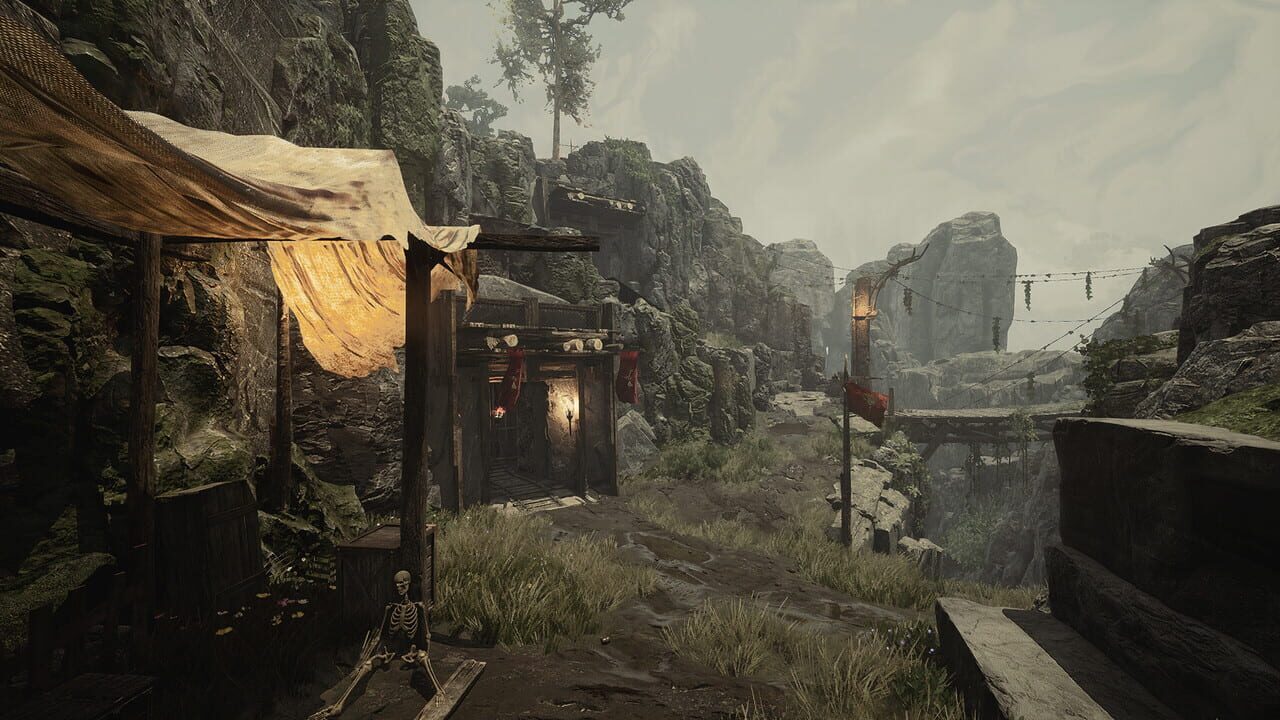
Across the reviews, the world is worth putting up with. The Colony is a prison valley under a magical barrier: hostile, political and grimy. You arrive weak, poor and unwanted. Small creatures can kill you early. NPCs aren't there to confirm you're the chosen one. Factions have their own motives. You have to pay attention.
DualShockers says "no one in this world likes you," and describes the core feeling as survival rather than power. You become useful by learning the rules of a place that owes you nothing.
Jarrett Green at IGN describes a world that "couldn't care less" about your survival, progress or fun, and means it partly as praise. IGN calls the worldbuilding a high-water mark for the genre, singles out the new lighting, models and re-recorded dialogue as the remake's best improvement, and says the new side quests add to the sense of a dense, reactive place. Even Push Square, at 5/10, says you're free to roam, loot and talk to people, and that curiosity is rewarded.
Plenty of open-world games are good at keeping you busy. Gothic is more interested in making you uneasy. Directions matter, weakness matters, and a bad decision feels like yours rather than something the UI failed to stop.
Where critics split: old-school friction, or just friction
PC Gamer describes a swamp quest that gets tedious because the game won't give modern guidance. The reviewer ends up wishing for a Skyrim-style compass arrow, which is the most Gothic complaint imaginable, and understandable after enough time hunting the last bloodfly in a thick swamp.
Remove too much friction and it stops being Gothic. Keep too much and people wonder why the remake exists. Alkimia chose faithfulness, smoothing inputs and presentation while leaving the structure mostly intact.
For some critics that works. TheSixthAxis says every bit of progress feels harder-earned. Hobby Consolas, quoted on OpenCritic, recommends it to players who don't want everything handed to them and are patient enough to explore, talk to NPCs and save constantly. "Save constantly" might as well be a system requirement.
For others, faithfulness is a ceiling. IGN finds the second half duller and the combat shallow. PC Gamer's 60 respects the texture but won't excuse the tedium. On PS5, Push Square finds that technical problems make the natural roughness harder to defend.
PS5 and PC performance
Some outlets treat bugs as part of the Gothic inheritance. Push Square treats them as a reason to wait. On PS5 Pro it struggled to hold 30fps, with bad drops in busy areas, plus crashes, audio bugs and disappearing NPCs. Its conclusion: there's "a lovingly made product underneath," but it's hard to recommend right now.
TheSixthAxis is more optimistic, saying PC performance improved with patches over the previous fortnight and that PS5's initial 30fps lock had been addressed. PC isn't spotless either: COGconnected cites a high-end PC averaging about 38fps at 4K without frame generation.
Platform, patch timing and tolerance for instability all change the experience, which is part of why the scores spread so widely. If you're deciding whether to buy now, read platform-specific impressions, not just the average.
What the positive reviews value
The enthusiastic reviews don't pretend it's smooth. They're defending a kind of RPG that isn't built around comfort. The Colony doesn't have tidy quest hubs and friendly signposts; information, equipment and patience are all resources.
That makes the remake feel a little out of time: not better by default, just rarer. DualShockers calls it one of the most "surreal, oddly fascinating gaming experiences of 2026." TheSixthAxis sees it as a way for a new generation to meet a hugely influential world. IGN, even with real complaints, says the worldbuilding still feels clever and fresh.
Should you play Gothic 1 Remake?
Critics praise the atmosphere, the faction-driven world, the visual upgrade and the refusal to sand off the original's identity. They criticize the bugs, uneven pacing, stiff combat and, on some platforms, rough performance. The disagreement is about whether the Colony's strange old magic outweighs the frustration of living there.
If you want a clean modern RPG, be careful. If you want a harsh, reactive, old-school fantasy world with better presentation and plenty of scars still showing, there's something real here. One player might give it four stars because it feels alive in a way cleaner RPGs don't, and another two because the combat, bugs and pacing got in the way. Both are honest. If you play it, a line in your Perthro review about which side of the swamp you ended up on will say more than the stars.