
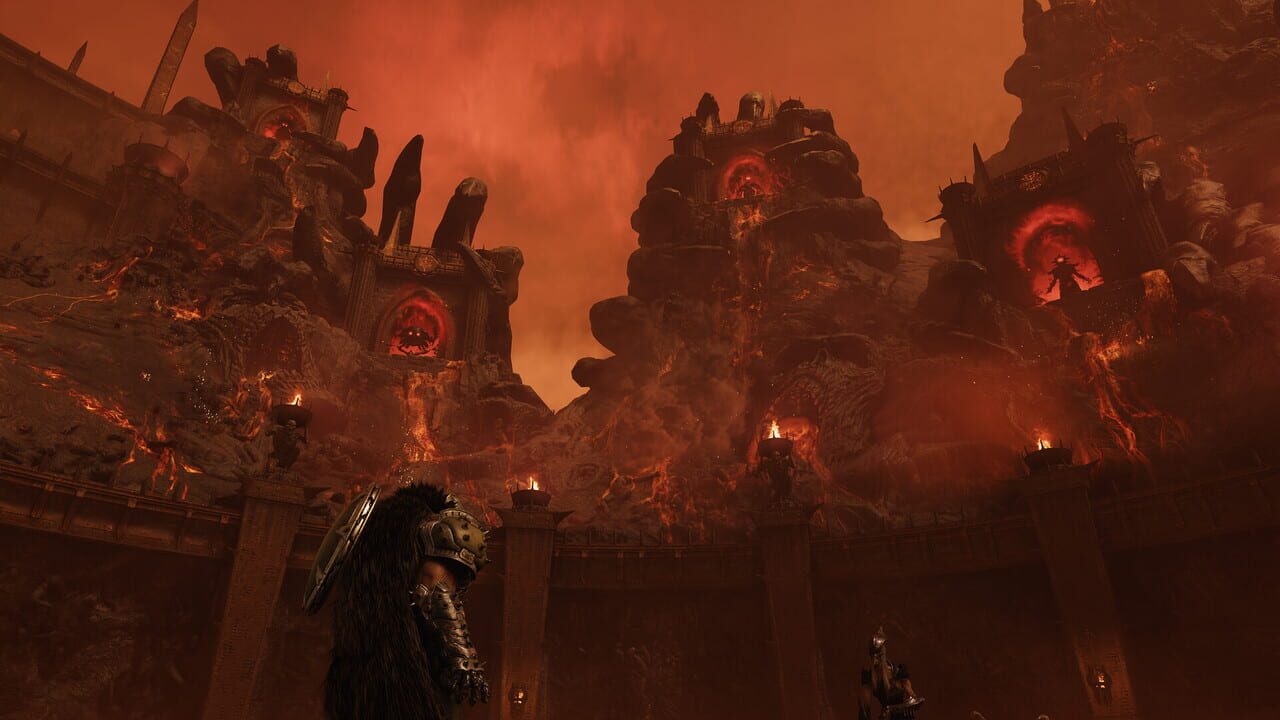
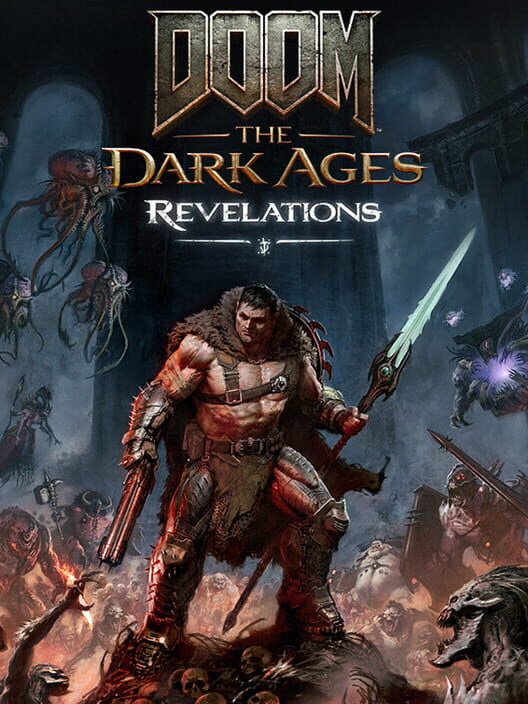
Friday is a good day for noisy games. It is also a good day to remember that noise is not the same thing as momentum. DOOM: The Dark Ages | Revelations arrived this week with exactly the kind of review profile publishers like to see: a small set of critics, almost no hesitation, and a score spread that says the people who played it were largely talking about the same thing.
The short version: critics think Revelations makes The Dark Ages faster, sharper, and meaner without walking back what made the base game different. OpenCritic lists the expansion at a 92 Top Critic Average, with 100 percent of tracked critics recommending it across five reviews. The individual scores are tight: SECTOR.sk gave it 9/10, DayOne gave it 9.5/10, ZdobywcyGier.eu gave it 9.5/10, PowerUp! gave it 8.5/10, and Uagna gave it 9/10.
That is not a huge sample. It is enough to see the shape of the consensus, though. Reviewers are not saying Revelations reinvents DOOM. They are saying it tunes the 2025 reboot's medieval weight toward something closer to DOOM Eternal's speed, then asks the player to keep up.
DOOM: The Dark Ages Revelations review scores
DOOM: The Dark Ages | Revelations is developed by id Software and published by Bethesda Softworks. It released on July 7, 2026 for PlayStation 5, Xbox Series X/S, and PC. OpenCritic currently tracks five critic reviews, with a 92 average and full critic recommendation.
The range is narrow in the useful way. Nobody in the visible OpenCritic set is trying to dunk on it. Nobody is giving it a polite seven and moving on. The lowest score listed is PowerUp!'s 8.5/10, and even that review reads more impressed than cautious. At the top, DayOne and ZdobywcyGier.eu land at 9.5/10. SECTOR.sk and Uagna sit just below at 9/10.
That tells us something. Review scores can flatten the texture of criticism, but a cluster between 8.5 and 9.5 usually means the debate is not over whether the thing works. It is over how much its specific appetite matches yours. Revelations seems built for people who finished The Dark Ages and wanted the ceiling raised, not for people who bounced off the base game's heavier rhythm.
Critics keep coming back to speed
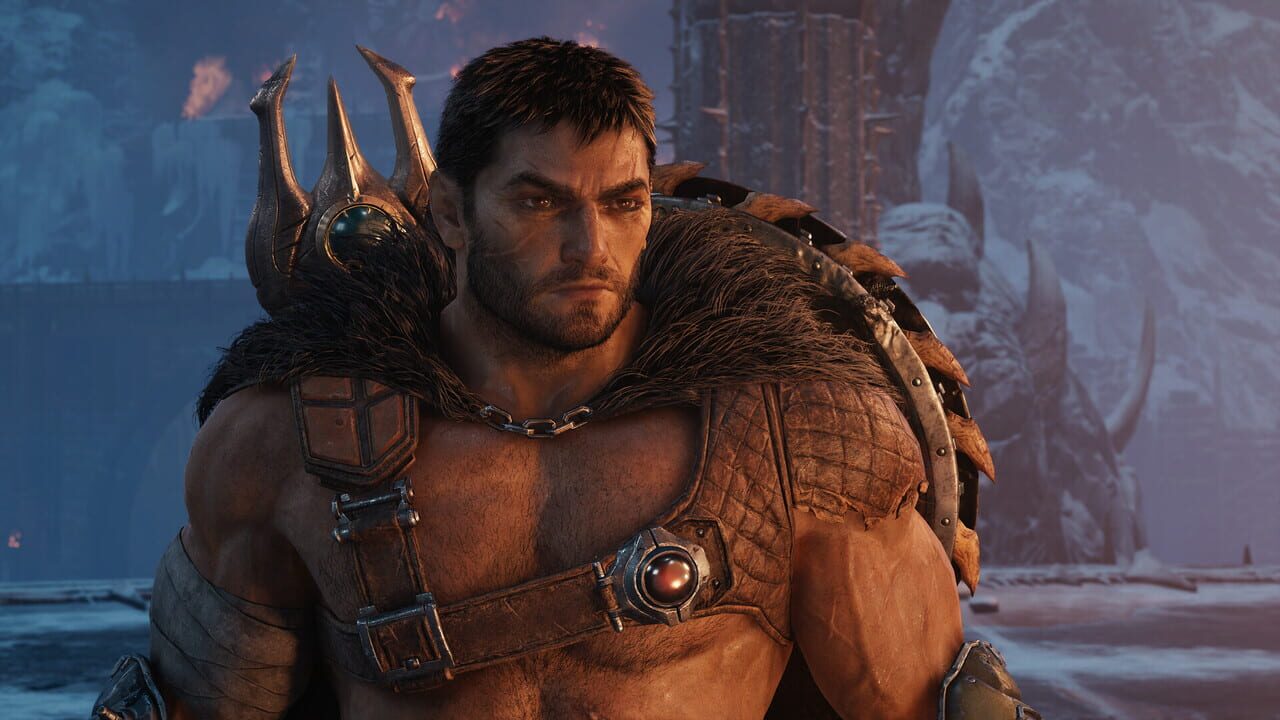
The clearest thread across the reviews is movement. The Dark Ages was sold, and mostly received, as the heavy DOOM. The Slayer felt less like a double-jumping acrobat and more like a tank with a shield. Revelations keeps that base, but critics say the new Chain Spear changes the feel of combat in a real way.
PowerUp! describes the expansion as something that "gleefully stitches the best parts of both games together," meaning the grounded violence of The Dark Ages and the frantic movement of DOOM Eternal. Its review says the Chain Spear brings "blistering mobility" back into combat while preserving the parry-focused loop from the base game. That is a useful phrase because it gets at why this DLC is reviewing so well. It is not just more arenas. It changes how those arenas breathe.
Uagna makes a similar point in its Italian review, calling Revelations more like a small sequel than a traditional add-on. The outlet argues that it does not simply add missions, but changes movement, progression, and the balance of combat. In the OpenCritic excerpt, Uagna calls the Chain Spear one of the modern series' most successful additions, then points to the return of dash, more verticality, and quick switching between spear and shield.
DayOne goes further, maybe too far if you are allergic to big review language, but the enthusiasm is hard to miss: "DOOM: The Dark Ages | Revelations is my favorite playing shooter, ever." That is the kind of line that can look ridiculous in isolation. In context, it fits the broader response. The praise is less about lore, boss names, or production scale, and more about the physical act of playing.
That matters for DOOM. The series can carry a lot of metal album nonsense, and it often should, but the reason people stay is tactile. The right DOOM game makes a room of demons feel like a musical instrument you are learning under stress. Critics seem to think Revelations gets closer to that feeling than The Dark Ages did at launch.
The praise is not really about story
There is a funny split in the reviews: several outlets acknowledge the story, but the praise keeps snapping back to the combat. ZdobywcyGier.eu says the developers made "a ton of great decisions" and that Revelations comes close to being the perfect FPS, but it also calls the storyline unnecessary. Their OpenCritic excerpt jokes that DOOM needs excess story about as much as "a bald man needs a comb."
SECTOR.sk spends more time on the lore angle. Its review notes that id Software is going deeper into the DOOM mythology, connecting older material, games, and even books. The piece also says the expansion has more than an hour of cutscenes, which is a pretty funny sentence to write about DOOM in 2026. Depending on your relationship with the series, that is either a gift or a tax.
This is where the consensus gets more useful than the score. Nobody seems to be saying the story ruins Revelations. The criticism is softer than that. It is more that the narrative is not the reason to show up. If you already like id's modern codex-heavy version of DOOM, there is more to chew on. If you mainly want to throw yourself through enemies until the room stops moving, critics suggest the game still knows which part matters.
PowerUp! puts it plainly by focusing on the combat loop first. The review calls the expansion "absolutely bloody merciless" and says some encounters felt like they expected the player's fingers to have evolved extra joints for Slayer inputs. That is praise with a warning label. It sounds excellent if you wanted The Dark Ages to fight back harder. It sounds exhausting if you thought the base game was already enough.
Why the difficulty note matters
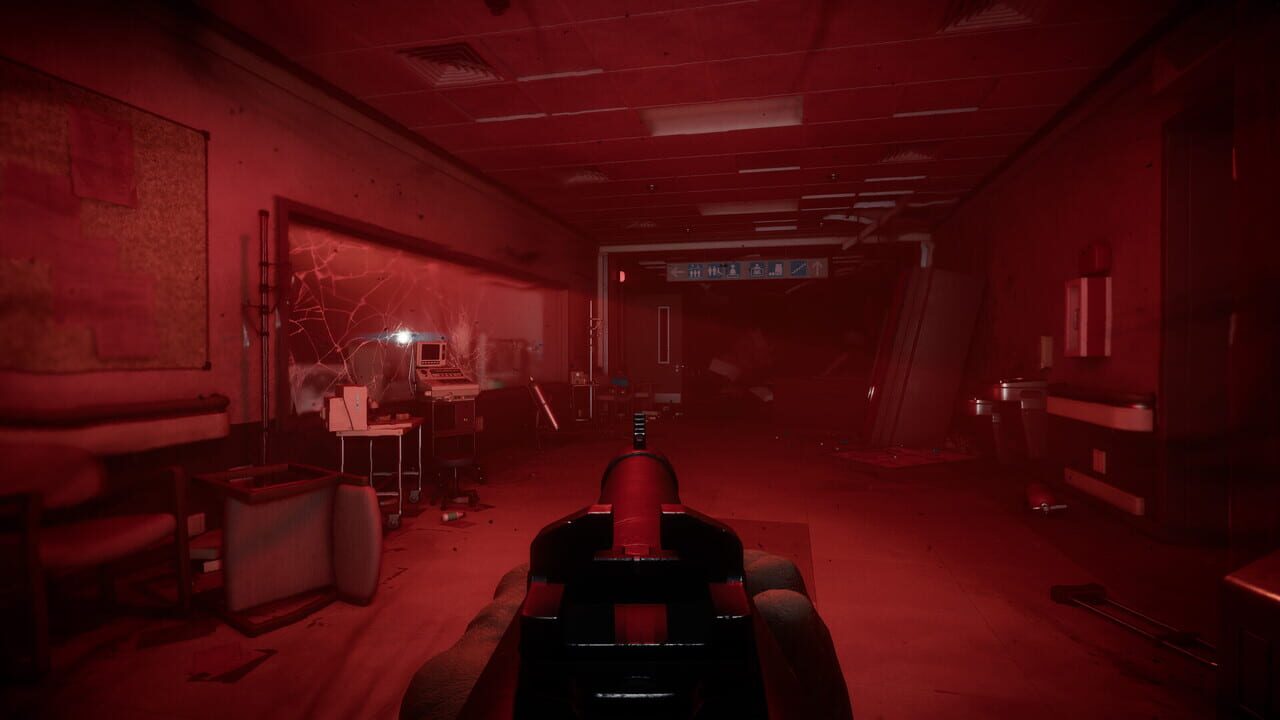
The OpenCritic excerpt from SECTOR.sk says Revelations will put both the player and the main character to the test. It calls the expansion a brutal, action-packed ride, but adds that its difficulty and backtracking-heavy structure might not be for everyone. That is the most grounded caution in the current review set.
It also lines up with PowerUp!'s veteran-focused read. Revelations does not appear to be trying to court a new audience. It is an expansion aimed at people who understand the base game's shield, parry, melee, weapon swap, and resource management language. The Chain Spear may make combat faster, but faster does not mean simpler. More mobility can mean more pressure, because the game can assume you will use it.
That is probably why the reviews are so positive and so specific. DLC often gets scored by people already invested in the parent game. That is not a flaw, exactly, but it matters. A 92 for Revelations does not mean someone cold on modern DOOM should suddenly buy in. It means the expansion seems to serve the audience it was built for with unusual confidence.
There is something quietly honest about that. Not every release needs to be an onboarding ramp. Some expansions are at their best when they stop explaining themselves and start asking what you learned.
The id Software context hangs over the reviews
Several reviews also arrive under a strange shadow. DayOne mentions uncertainty around id Software's future. Uagna opens by pointing to internal restructuring at Xbox and the effect it may have on id Software. Those notes are not the review itself, but they give the response a different temperature.
A strong DLC landing in the middle of uncertainty can make criticism feel a little more emotional. Reviewers are not just evaluating four or five hours of combat. They are also reacting to a studio that, according to these pieces, still looks technically and creatively sharp at the exact moment people are wondering what comes next.
That can get sentimental fast, so it is worth being careful. We do not need to turn a score page into a eulogy. The work is the work. What the reviews show is simpler: Revelations gives critics a very concrete reason to keep believing in this version of DOOM. The levels are hard. The movement is quicker. The Chain Spear changes the conversation. The combat loop still has blood in it.
For a series this old, that is not nothing.
Should you play DOOM: The Dark Ages Revelations now?
If you liked The Dark Ages and missed some of Eternal's speed, Revelations looks like the easy recommendation. The critic spread is too consistent to ignore. An OpenCritic 92 with five positive reviews is not a universal truth, but it is a clean signal: the expansion does what it set out to do.
If you are mostly here for story, the reviews are more mixed by implication than by score. SECTOR.sk seems interested in how much lore id is threading together. ZdobywcyGier.eu sounds much less convinced that DOOM needs all that narrative weight. Either way, nobody is selling Revelations as a story-first expansion. They are selling it as a combat-first one with more lore around the edges than some players may want.
The cleaner question is whether you want DOOM to ask more of you. Revelations sounds harder, faster, and more demanding than the base campaign. It sounds like the kind of expansion that makes a returning player sit forward. That is not always comfortable. Good DOOM rarely is.
For Perthro, this is the kind of release that fits neatly into a journal entry rather than a simple score. You might rate it five stars because the Chain Spear finally made the combat click. You might shelve it after two missions because the difficulty curve is not what you needed on a weeknight. Both reactions are worth keeping. The review consensus gives us the map. The actual play session is still yours.