
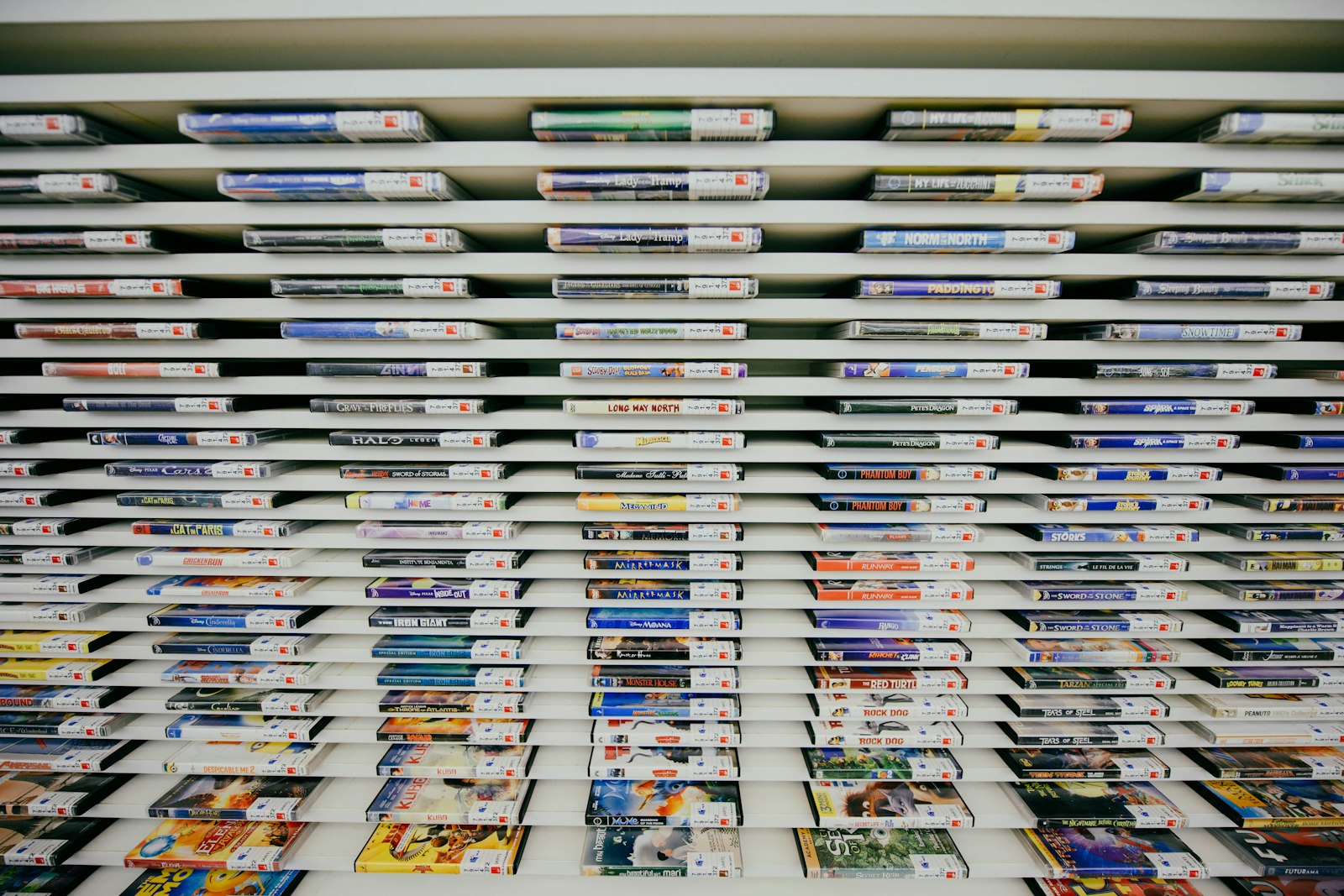
Every July, the release calendar starts to feel like it has a personality. Not a bad one exactly. More like a friend who keeps sending you trailers while you are still trying to finish the thing they recommended last month.
This week, the shape of that noise was easy to see. The last 30 days of gaming chatter were full of forward-looking videos: Force Gaming talking about 10 games worth getting excited about, gameranx counting through new July releases, IGN looking at the biggest games still to come this year. The pattern was loud enough. People are not only asking what is good right now. They are trying to make a plan before the next wave arrives.
That is a strange little habit we have built around games. We treat them like appointments. We keep an eye on dates, editions, preload windows, review embargoes, early access launches, wishlists, and sale events. Then the game arrives and real life does what real life does. Work runs late. A friend asks you to play something else. You spend three evenings replaying a comfort game instead. The new release sits there, not failed, just waiting.
I think that waiting deserves better than guilt.
The release calendar is not your boss
There is a useful side to release lists. I read them too. They are good for finding things you might have missed, especially smaller games that would otherwise get buried under whatever the platform holders are shouting about. A good monthly roundup can be a map.
The problem starts when the map becomes a schedule.
Games are not albums you can absorb in 42 minutes on a train. They are not films you can file away after dinner. A game can be two hours, or 25, or 140 if it catches the wrong part of your brain. Some games ask for skill. Some ask for mood. Some ask for a long enough quiet stretch that you can remember how the controls work between sessions.
That makes the modern release calendar feel slightly absurd. It assumes a player who is always ready. Ready to buy, ready to install, ready to move on. But most of us are more scattered than that. We are halfway through one game, still thinking about another, waiting for a patch on a third, and pretending we will go back to the RPG we abandoned during the tutorial.
There is nothing wrong with excitement. The trouble is that excitement has a short shelf life online. A game is "upcoming" for months, "out now" for a weekend, then quietly pushed behind the next thing. If you do not play inside that narrow window, the conversation moves without you.
The game does not, though. It stays exactly where it was.
A backlog is not a moral failure
The word backlog has always bothered me a little. It sounds like work. It sounds like something assigned to you by a manager with a spreadsheet and a bad chair.
Most game libraries are not like that. They are messy because taste is messy. A library can hold the big game you bought at launch, the indie thing someone swore would destroy you emotionally, the co-op game you only play with one friend, the old favorite you reinstall every winter, and the game you may never touch but still like knowing is there.
That is not a queue. It is a record of attention.
When people ask for a "Letterboxd for games," I think this is part of what they mean. Not just ratings. Not just reviews. They want a way to make the mess legible. They want a place where playing, pausing, shelving, returning, and remembering all count as normal parts of the hobby.
Movies make this easier because the unit is cleaner. You watched it or you did not. Games resist that. You can love a game you never finished. You can finish a game and feel nothing. You can play 200 hours of something and still not know whether you recommend it. You can bounce off a masterpiece because you met it in the wrong week.
A decent game journal has to leave room for all of that. It should not only celebrate completion. It should help you remember why a game mattered, even if the answer is small: the music in one area, the way a boss fight finally clicked, the night a friend carried you through something you had no business surviving.
The value of writing it down
I do not think every game needs a review. Some do. Some deserve a few careful paragraphs because you are still arguing with them in your head. Others need one sentence, written before the feeling leaks away.
"Got stuck, loved the town, come back later."
That is enough.
The point of tracking games is not to build a public archive impressive enough for strangers. It is to leave a note for your future self. Future you is forgetful. Future you will see a sale, stare at a title, and have no idea whether you meant to play it or already tried it on Game Pass three years ago. Future you will remember that a game existed but not why it mattered.
This is where Perthro is trying to be useful. It is an iPhone-first social gaming journal, free on the App Store, built around the idea that your games are part library and part diary. You can track what you are playing, what you have played, what you plan to play, and what you have shelved. You can rate on a five-star scale, write reviews as short or long as you want, keep a backlog and wishlist, and make custom lists that fit how you actually think.
That sounds simple because it should be simple. The hard part is not adding another place to type. The hard part is making a place calm enough that you will actually use it.
A note written on your phone after playing for 20 minutes can be more honest than a polished review written a month later. It catches the weird middle state where most game opinions live. Not final. Not public-facing. Just true enough for now.
Friends make the list less lonely
There is another reason release calendars feel heavy: they are mostly broadcast from nowhere. A trailer drops. A platform account posts. A creator makes a list. Everyone reacts at once. Then you are left alone with the choice.
But most of my best gaming decisions came from one person, not the whole internet. A friend saying, "You, specifically, would like this." Another friend warning me that a game is good but probably not for my mood right now. Someone I trust admitting they bounced off the big thing and loved the smaller thing instead.
That kind of context is hard to get from a store page.
Perthro has friends and a feed for this reason. Follow other players, see what they are playing, rating, and reviewing, react and reply. Not because every opinion needs to become content, but because games are better when the record has a few human fingerprints on it.
A feed does not need to be loud to be useful. Sometimes the useful thing is noticing that two friends shelved the same game after five hours. Sometimes it is seeing someone keep a tiny list of cozy puzzle games for sick days. Sometimes it is a review that says, plainly, "I liked this, but I was also exactly in the mood for it."
That is the kind of recommendation an algorithm has trouble making. It requires taste, timing, and a little honesty.
Importing the past without being trapped by it
One awkward thing about game tracking is that nobody starts from zero. By the time you decide you want a better record, your history is already scattered across platforms. Steam knows one part. PlayStation knows another. Xbox knows another. The rest lives in memory, screenshots, old chats, and that one game you definitely played but cannot find anywhere.
Perthro can import from Steam, PlayStation Network, and Xbox Live, with achievements or trophies where supported. That does not magically turn the past into a perfect diary. It does give you a starting point. From there, you can clean up what matters, shelve what no longer matters, and build a list that feels like yours instead of a receipt drawer.
I like that distinction. A library import should not tell you who you are. It should jog your memory.
The best version of game tracking is not about catching up. It is about making it easier to return. Return to a game. Return to a thought. Return to the version of yourself who cared about something enough to write it down.
Let some games wait
The next few weeks will bring more lists. More "biggest games still to come" videos. More release dates. More recommendations that sound urgent because urgency is how the internet proves it is alive.
Some of those games will be worth your time. Some will not. Some will be worth your time later, which is the part the release calendar never knows how to say.
So let them wait. Put them somewhere. Leave a note. Keep a wishlist that does not glare at you. Make a list called "rainy Sunday games" or "RPGs for when I have a brain again" or "things Jordan keeps telling me to play." Track the games you finish, but also the ones you pause, forget, return to, and carry around in the back of your head.
That is still playing. That is still part of the journey.
Perthro is free to download and on the App Store for iPhone users on iOS 17 or later. If you want a quieter place to track games on iPhone, write down what you thought, follow a few friends, and stop treating your backlog like unpaid labor, come try it.
The release calendar can keep shouting. You do not have to shout back.