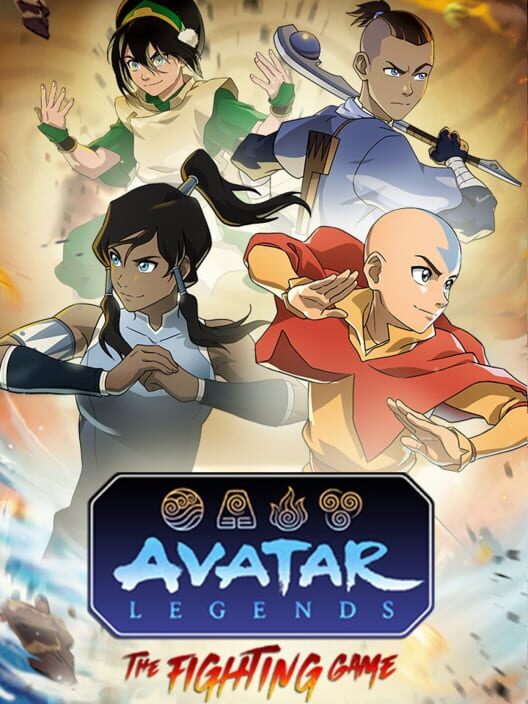
Avatar Legends: The Fighting Game does one thing so well that reviewers end up arguing about how much everything else should matter.
The 2D fighter launched July 23, 2026 on PC, PS5, Xbox Series X|S, Switch and Switch 2. TheGamer notes the project was once dropped after earlier work at Maximum Entertainment before Gameplay Group International picked it back up. The finished game still feels like something pulled back from the edge: alive, stylish and a little unfinished.
It also arrives at a demanding time. Street Fighter 6, Tekken 8, Guilty Gear Strive and Granblue Fantasy Versus: Rising have raised expectations for tutorials, netcode, onboarding, lobbies and ranked play. A licensed Avatar fighter can't just look right; it has to teach people to play, keep them playing and survive the first week of online matchmaking. (Our July 23 roundup has the early scores alongside Disgaea Mayhem and Final Fantasy X.)
Avatar Legends review scores
- IGN, 8/10: "The potential of Avatar Legends is immense."
- TheGamer: "a fantastic fighter" and a "solid contender for 2026's best fighter."
- Push Square, 6/10: difficult to fully recommend in its current state.
The reviews mostly agree on what works. They split on how much forgiveness a fighting game earns when the fighting is excellent and the structure around it is thin.
What works: the bending feels right
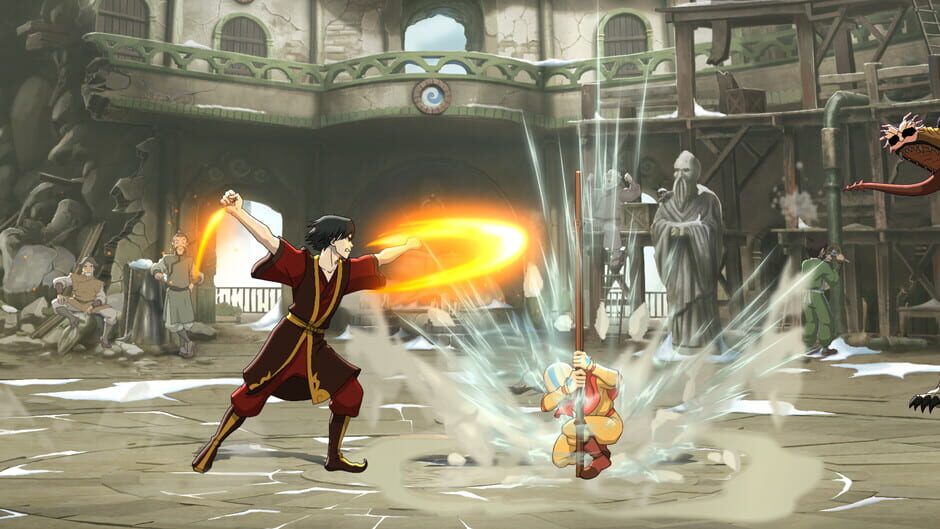
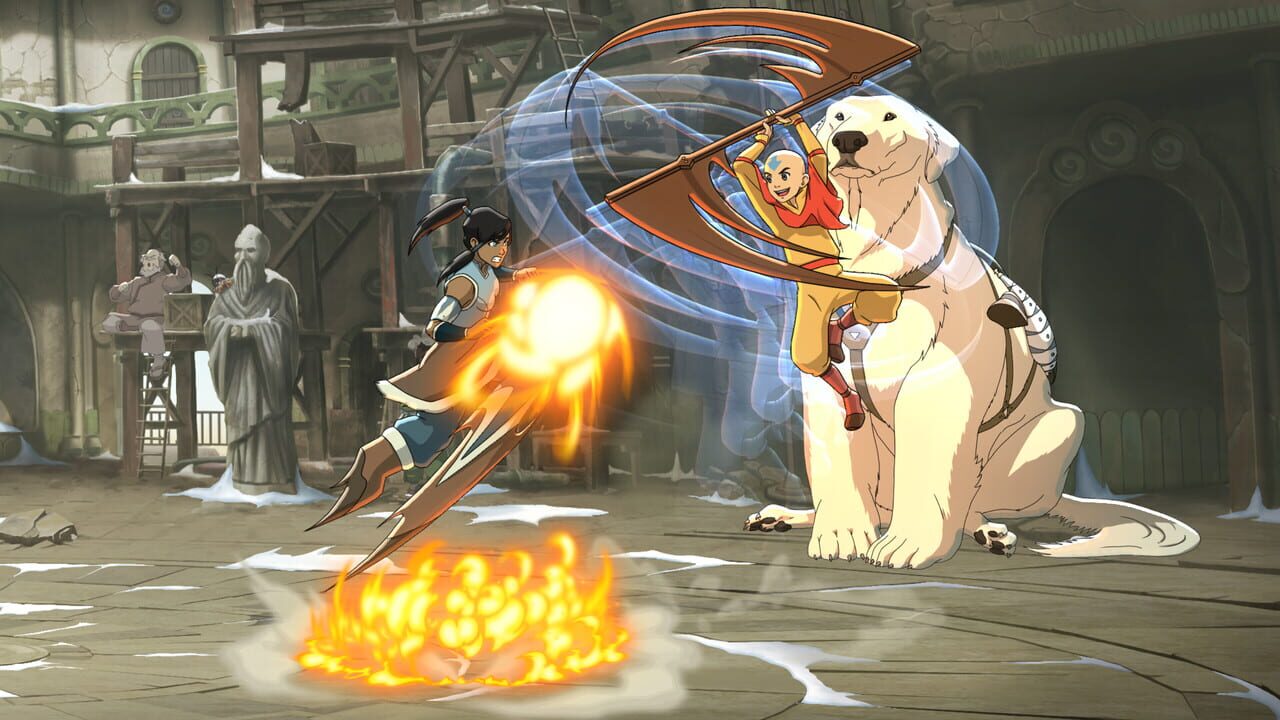
IGN describes a fast, mobility-driven one-on-one fighter built on creative combos, a high execution ceiling and characters who feel distinct. Avatar is about bodies in motion. Airbending shouldn't feel like a projectile skin, and earthbending shouldn't feel like a generic heavy punch with brown particles.
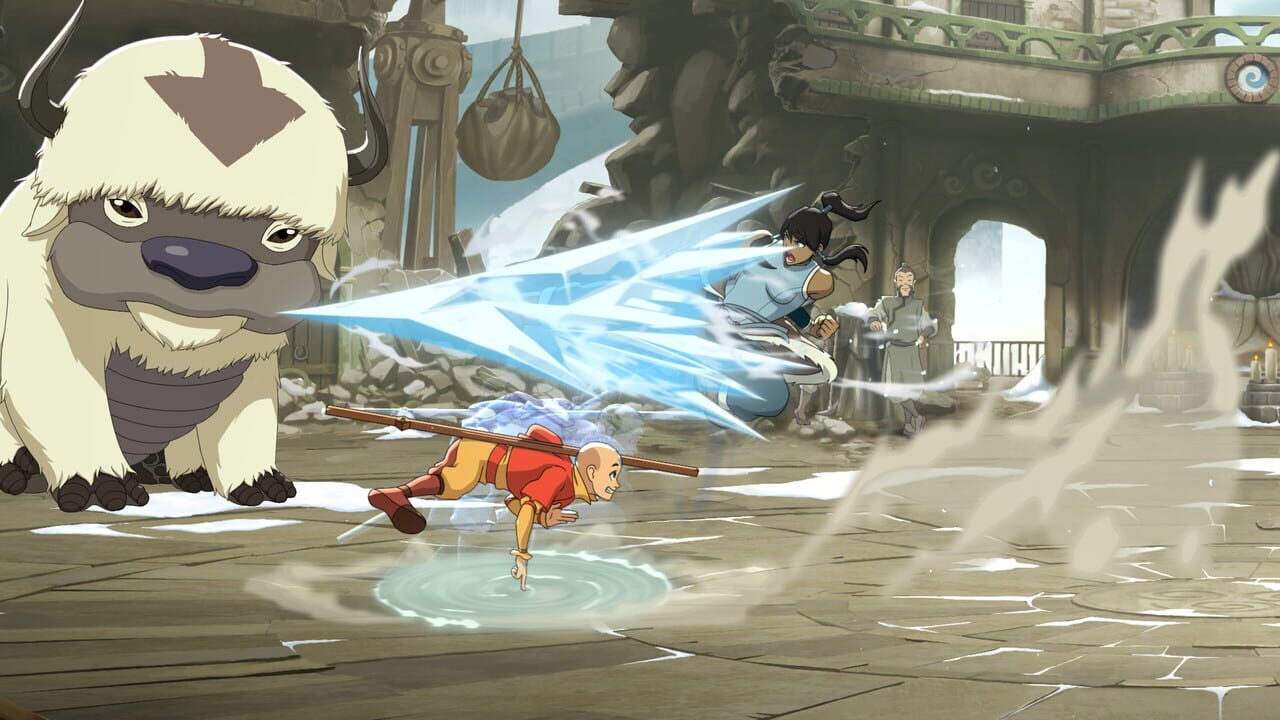
The reviews say it gets this right. IGN spends a lot of time on the Flow button, which gives each character their own movement identity. Aang uses his glider and wind to attack from odd angles. Azula moves through the air with frightening freedom. Toph pulls opponents, or herself, into position. Katara slides and charges in ways that feel closer to choreography than standard zoning. Mitchell Saltzman's key line: each fighter has "their own way" of breaking the system's rules.
TheGamer focuses on fidelity, calling it "a fantastic fighter with tons of depth and well-thought-out mechanics" that suit the series' bending. It praises the story mode, written around a reality-bending premise by Avatar co-creator Michael Dante DiMartino and series writer Tim Hedrick, as close to the show rather than a throwaway licensed excuse.
Push Square isn't dismissive either. It calls the animation outstanding, with backgrounds full of small details, and notes the 12-character roster's Flow abilities define how each fighter plays. Its 6/10 isn't about a weak core; the core is promising enough that the missing support structure feels louder.
What doesn't: training, tutorials and ranked
The criticisms are remarkably consistent: advanced movement and expressive combos, with weak tools for teaching you how to get there. A high ceiling is good, but if the floor is slippery, many players leave before they understand why the game is good.
IGN points to a cumbersome training mode missing standard features, no AI difficulty option in single player, two-player lobbies, and no replay search or replay takeover. Those aren't glamorous, but serious fighters depend on them. Replay takeover in particular changes how people learn: jump into a lost exchange, test the answer, and you're studying rather than just watching yourself fail.
Push Square's complaints overlap almost exactly: weak tutorials, difficulty spikes that make the campaign and arcade mode drag, and no ranked online. It's hard to fully recommend now not because it's bad, but because it lacks the polish and features of a fuller product.
Reviewers aren't asking it to become Street Fighter 6 overnight. They're asking for the baseline that makes a technical fighter approachable and durable. If you sell mastery, you need to teach it. If you build an online competitive game, ranked is how people find fair matches, set goals and keep coming back after the first few bruising nights.
That changes who it's for right now. Dedicated fighting game players can lab characters, read Discord tech and brute-force their way in. Avatar fans who show up to play Aang, Korra, Toph or Azula may not have the genre vocabulary to know why they're losing. A game can be faithful to Avatar and still lose Avatar fans at the menu.
Why critics split
It depends which part reviewers treat as the centre. Centre the fighting, and TheGamer's enthusiasm makes sense: a rescued licensed 2D fighter with gorgeous animation, a distinctive movement system, characters from across the eras and real combo expression is rare. "Solid contender for 2026's best fighter" doesn't pretend the roster is huge; it says the heart works.
Centre the package, and Push Square's caution makes just as much sense. Fighting games are long-tail games. People return, lose, learn and slowly build fluency, so they need matchmaking, tutorials, difficulty settings and training tools. A thin shell around strong mechanics is still a shell you have to live in.
IGN sits in the middle, probably the most useful place for a buyer. An 8/10 is a clear recommendation, but the text is full of warnings. It loves the movement, animation, adaptation and how the support system makes 12 characters feel like more, and it says the game is rough and unpolished. That's the real state of many memorable fighters at launch.
Push Square notes the developer has promised ongoing support and improvements, but a promise isn't a feature. For now, this is for players who'll tolerate rough edges because the match itself feels special. If you want single-player comfort, gentle onboarding or a robust online ladder, wait.
What to watch next
The first patches will tell us more than the first average. Difficulty options would immediately help the campaign. Ranked would give online players a home. Better tutorials would matter most, letting Avatar fans become fighting game players instead of expecting them to arrive fluent.
Avatar Legends knows how bending should feel in a fight. It has style, speed and the kind of movement that gets people talking in training-mode language, along with the unfinished edges of a rescued project trying to become a long-term game in a genre that remembers everything. If you play for systems, there may be something worth sticking with now. If you play for polish, put it in plan to play in Perthro and check back after the first patch.