
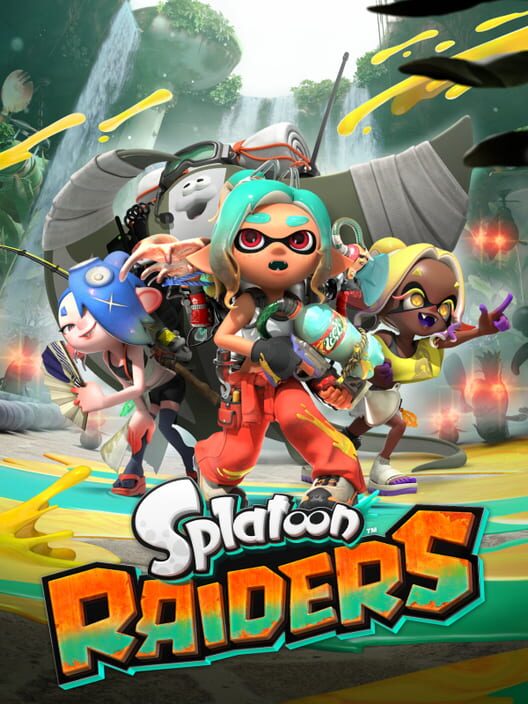
Splatoon Raiders is a useful reminder that review scores can hide the more interesting story. The short version is easy: Nintendo's first solo-focused Splatoon spin-off reviewed very well. IGN gave it a 9/10. Nintendo Life gave it a 9/10. Eurogamer and VGC both landed at 4/5. That is a tight range, not a controversy.
The longer version is better. Critics are circling the same strange achievement from different angles: Splatoon Raiders takes the series' Salmon Run energy, strips away competitive multiplayer, and somehow ends up with an action RPG that feels more confident than a side project should.
That matters because Splatoon has always lived in a slightly awkward place for some players. The world, music, movement, art, and nonsense fish language are warm and magnetic. The main mode, though, asks you to play an online shooter. If that is not your thing, you might admire Splatoon from across the room and never really move in. Raiders gives that player a front door.
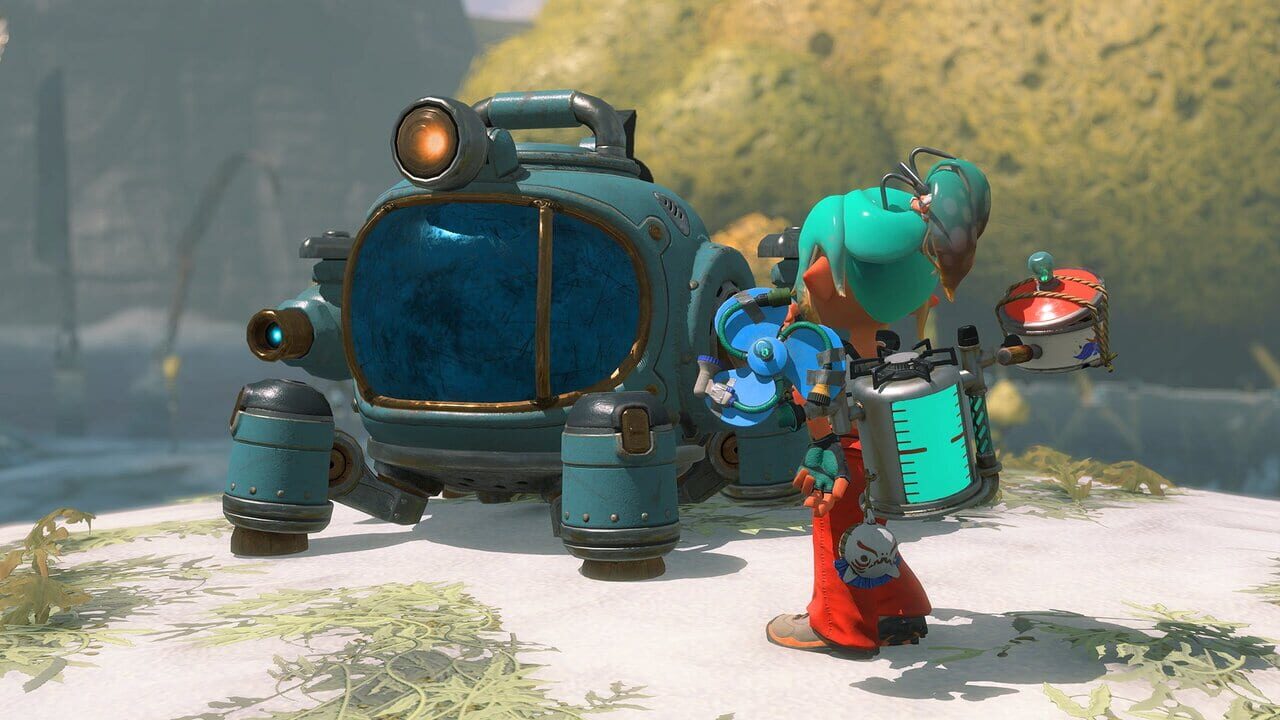
It came out for Nintendo Switch 2 on July 23, 2026. The developer and publisher are Nintendo. The setup follows Deep Cut to the Spirhalite Islands, where the player takes the role of a mechanic fighting Salmonids, gathering loot, upgrading weapons and gadgets, and pushing deeper into harder raids. It supports solo play, local wireless, and online co-op for up to four players, but the reviews make it clear this is built around repeatable PvE runs, failure, upgrades, and that familiar Splatoon pleasure of painting the floor so you can move like you belong there.
Splatoon Raiders review scores: the critic range
The visible critic range from the outlets checked here runs from 4/5 to 9/10, which puts Splatoon Raiders in the "strongly recommended, with caveats" band rather than the "everyone must play this forever" band.
IGN's Logan Plant gave Splatoon Raiders a 9/10 and called it "an amazing action RPG with an expertly executed loop." His review is probably the cleanest argument for the game as more than a spin-off. He praises the gadgets, the tough encounter design, the pacing, and the way the campaign keeps giving players new build ideas instead of asking them to grind through thin content. The line that stuck with me is blunt: "This is the best Splatoon campaign yet and one of the top games on Switch 2."
Nintendo Life also scored it 9/10. Alex Olney's review frames Raiders as something like Salmon Run that got loose and became a full game. He is especially high on the new enemy work, gadget customization, and the fact that the whole thing runs at a locked-feeling 60fps while the screen is full of chaos. His conclusion is warm but not inflated: Splatoon Raiders may not push genre boundaries, but it is "possibly the most variable and exciting game the series has ever offered."
Eurogamer's review lands at 4/5 and uses a different vocabulary for the same feeling. Christian Donlan calls it "a hectic, often overwhelming delight" and spends a lot of the piece describing Nintendo's current taste for what he calls "apocalyptic simplicity." That sounds fancy, but the point is simple enough. Raiders knows what it wants you to do. Leave base, shoot everything, gather loot, upgrade, then do it again with more confidence and better toys.
VGC also gave it 4/5. Chris Scullion calls it "a challenging, all-out action game that's well worth 50 squid" and says it is "the video game equivalent of a Spotify playlist with a single track on it, but it's such a banger that I'll happily play it on repeat." That is the most useful caveat in the whole spread. If the loop works for you, repetition becomes comfort. If it does not, there is nowhere for the game to hide.
What critics agree on
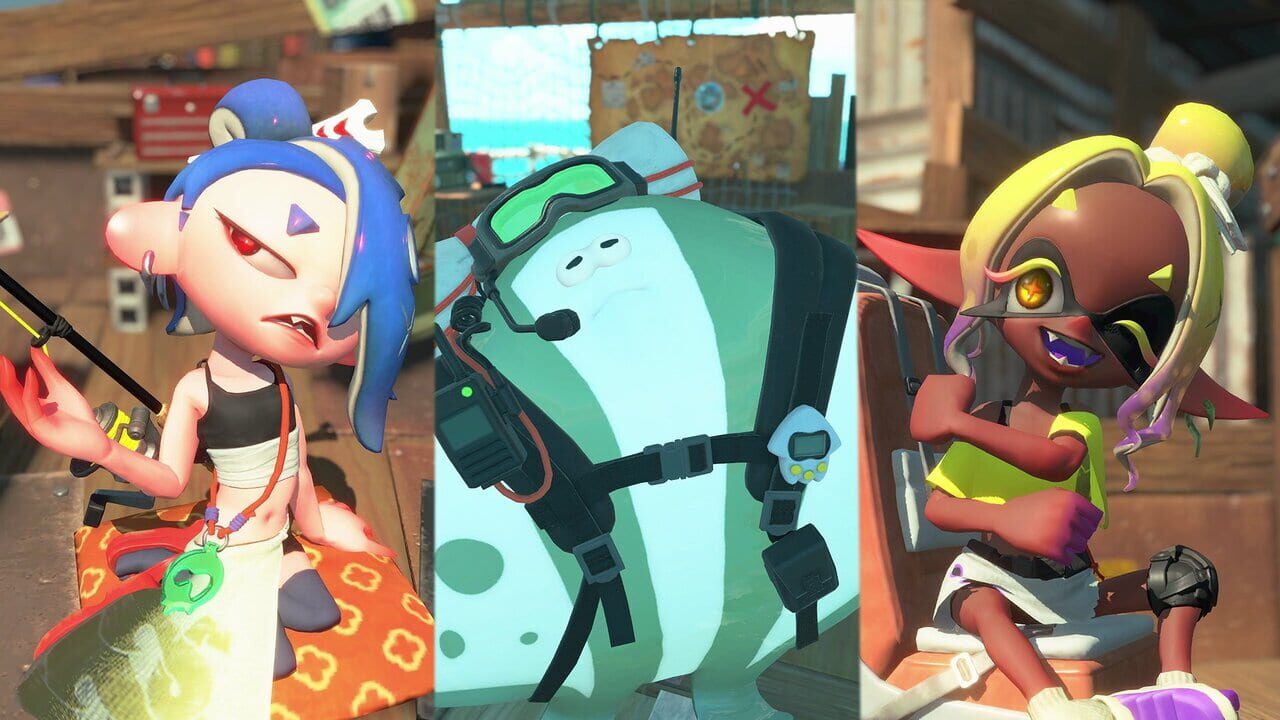
The consensus is unusually clean. Everyone likes the action. Everyone likes the upgrade loop. Everyone seems a little surprised by how well Splatoon works when removed from its usual competitive setting.
IGN focuses on the RPG layer. Gadgets are the big thing there: special tools tied to ink tank types, with upgrades that can change how a build plays. Plant describes builds where movement gadgets chain together, or where tactical tools do so much passive work that the main weapon almost becomes optional. The praise is not "there are lots of upgrades." It is that the upgrades push the player toward experimentation.
Nintendo Life makes a similar point, but from the perspective of a long-time Splatoon player. The review notes that gadgets replace sub-weapons, which changes how returning Salmonid bosses have to be handled. Enemies that were once solved in specific ways now have to work inside a broader action RPG system. Olney initially found some of that disappointing, then changed his mind once harder dungeons started using those enemies more aggressively.
Eurogamer is less interested in build math and more interested in momentum. Donlan writes about the game as a messy, confident machine that keeps throwing enemies at you until the camera can barely keep up. He means that as praise. The review's best observation is that Raiders trusts the basic Splatoon verb set: shoot, swim, refill, reposition, repeat.
VGC, meanwhile, keeps coming back to difficulty. Scullion says failure is not merely possible, but "crucial to success." Raiders is not being described as brutally unfair. It is being described as a game that expects you to lose, keep your XP and items, rethink your loadout, then go back in with a little more knowledge.
Where the reviews split
The split is not about quality. It is about appetite.
VGC's "one-trick pony" warning is the clearest version of the criticism. Raiders is built around shooting lots of Salmonids, collecting rewards, upgrading, and returning to shoot more Salmonids. It has different stage types, bosses, gadgets, and co-op wrinkles, but the core rhythm is intentionally narrow. For some critics, that narrowness reads as focus. For others, it sounds like the ceiling on how much of the game they want in one sitting.
Eurogamer makes almost the same point more generously. Donlan's review says the game is "thrillingly single-minded." That phrase does a lot of work. It admits that Raiders is not trying to be broad. It is one idea pursued with unusual force. The review enjoys that force, even when the camera and screen noise make the action hard to fully parse.
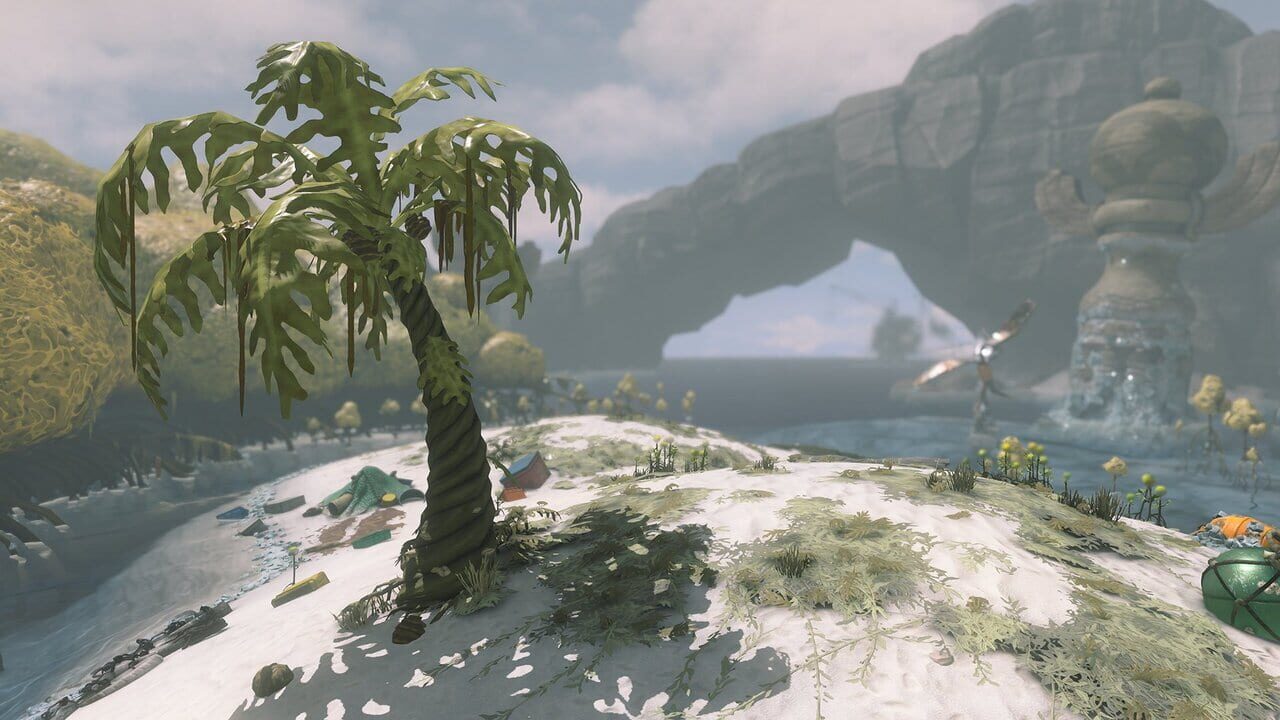
IGN's criticism is more practical. Plant likes the depth of the gadget system, but says the crafting menu could use a wishlist so players can track materials for upgrades. He also calls the visual palette a little bland compared with the series' brighter multiplayer stages and the more distinctive styles of Octo Expansion and Side Order. That complaint feels notable because Splatoon is usually a style-first series.
Nintendo Life is the most forgiving of the bunch. Its main caveat is that Raiders feels evolutionary rather than revolutionary. That is fair. The review does not pretend Nintendo has invented a new genre here. It says the game is excellent at what it chooses to be.
Why the Splatoon Raiders reaction matters
The interesting thing is that Raiders seems to solve a small problem Nintendo created for itself. Splatoon has one of the company's freshest worlds, but its main attraction has always been competitive online play. Campaigns and expansions have been good, sometimes great, but they sat beside the real show. Raiders flips the emphasis. It gives the world a full PvE shape.
That is why the reviews feel so relieved. Critics are treating it as permission to enjoy Splatoon without the stress of the ranked ladder or the rituals of online play. You can still play co-op, and the reviews praise how smoothly that works, but the center of gravity is different. You are not being pulled toward a meta. You are being pulled toward a workbench.
There is also something quietly smart about the difficulty design. Several reviews mention that the difficulty settings change damage rather than rewards. That means players who want a gentler run are not punished with worse loot, and players who want Survivalist mode can have the pain without turning the game into a status economy.
VGC also reported that Splatoon Raiders topped Japan's physical chart with 474,000 copies sold in its first weekend, and noted unusually high Metacritic user score enthusiasm. User scores are noisy and easy to distort, but paired with this critic response, the broader signal is simple: the game found an audience quickly.
What to watch before you buy
If you already love Splatoon, the reviews make this sound like an easy add to the list. Not because it replaces Turf War or ranked modes, but because it lets the series breathe differently. IGN and Nintendo Life both describe a deep, replayable campaign with enough post-game work to keep tinkering long after credits. Eurogamer and VGC back that up, but put more weight on the purity of the loop.
If you bounced off Splatoon because of online multiplayer, Raiders may be the cleaner entry point. The action is still fast, messy, and demanding, but the pressure is different. You can learn the language without being flattened by strangers who have already mastered it.
If you need variety above all else, the caveats matter. This is still a game about entering raids, fighting Salmonids, collecting loot, and improving your kit. The location variety sounds limited. The main loop does not appear to transform into something else halfway through. VGC's playlist comparison is the right warning label: one great track is still one track.
For Perthro players keeping a journal, this is exactly the kind of game where a single star rating may not tell the whole story. You might love the first 15 hours and decide the post-game is too repetitive. You might dislike the chaos at first, then come around once a gadget build clicks. You might play solo for the campaign, then return later with friends. Those are different entries, not one verdict.
That is the useful read from the reviews. Splatoon Raiders is reviewing well because it gives a multiplayer-first series a calmer, stranger, more flexible shape. Still loud. Still covered in ink. Just easier to meet on your own terms.