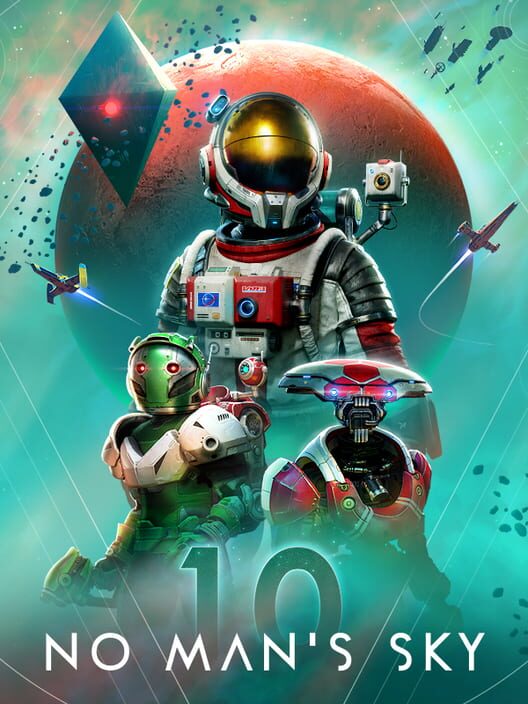
No Man's Sky turns ten this week, and the anniversary coverage came with a perfect statistic: IGN reports that players have explored less than 1% of its planets in a decade. PC Gamer ran an interview in which Sean Murray talked fondly about the 2016 launch version, calling it a little weirder but charming. And looking ahead to Light No Fire, Murray said he'd like to still be working on that one ten years after it launches too.
The size of the universe is the fun headline. What interests us more is how long the relationship has lasted.
Less than 1% explored after ten years
The number sounds huge and meaningless at once. It proves the original promise: the game really is too big to use up. It also shows why "completion" is the wrong way to think about a game like this. When billions of planets are still unseen after a decade, finishing isn't on the table. Nobody finishes the universe.
That should be obvious, but games have trained us to think in checklists: map markers, percentage counters, battle passes, dailies, achievements, backlogs sorted by guilt. No Man's Sky pushes back against that. You can walk across a planet for no reason, rename a creature, build a base you'll never visit again, and leave. The game doesn't care. The planet goes on existing somewhere in the maths.
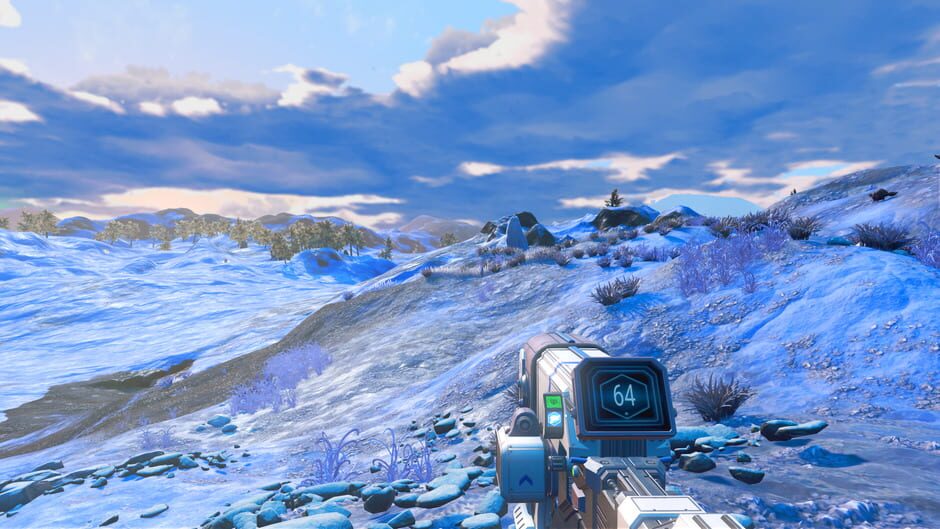
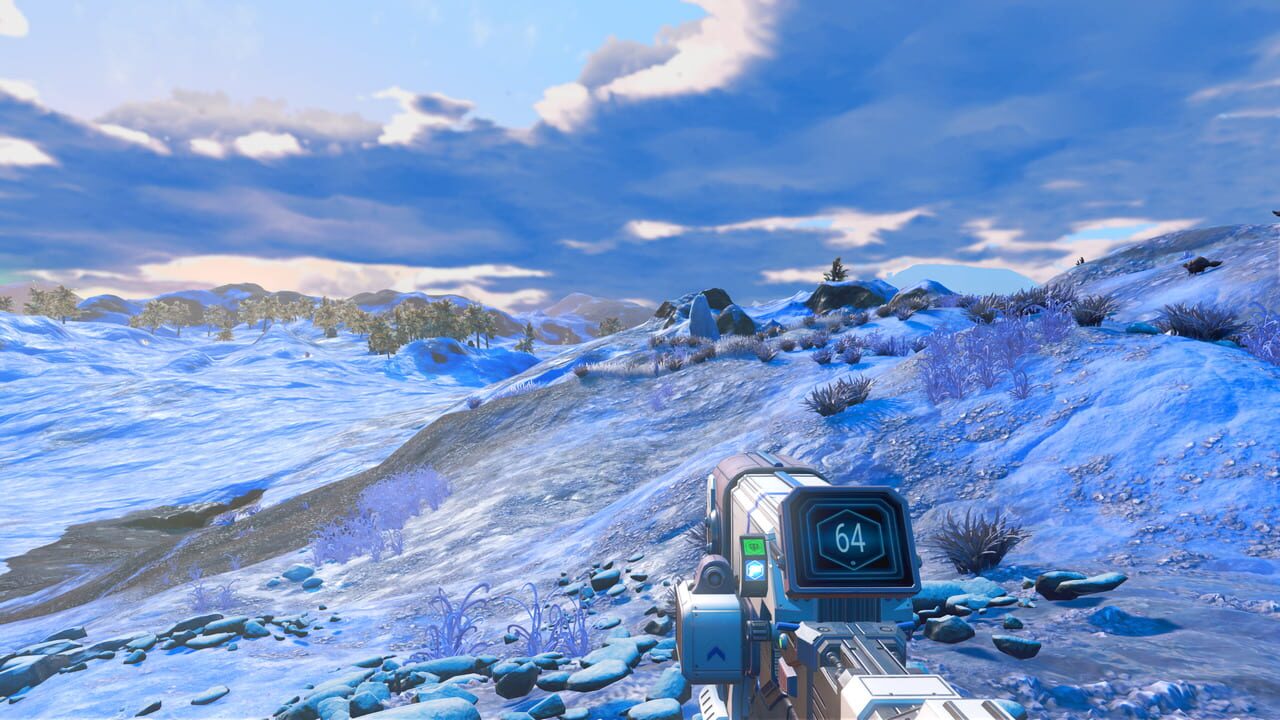
What people remember from it tends to be moods rather than places. Landing on something blue and bitter-looking late at night, when the room was dark enough that the TV became the room. Waiting out a storm in a cave identical to a dozen others, except this one had a strange little plant by the entrance. The first time the game made you feel lonely in a pleasant way instead of an empty one. Most of us couldn't tell you a single system name.
The 2016 version still counts
The usual story is that No Man's Sky launched badly and then got fixed. It's a satisfying story with clear roles: angry players who were right, a studio that kept going, updates that eventually delivered. We don't think it's wrong. It's just too neat.
It's telling that Murray still has a soft spot for the 2016 build. Not because it was secretly better. It was thinner, rougher and buried under expectations no game could have met. But old versions of games aren't just failed drafts. People actually spent time in them. They had their own feel, menus you learned by touch, and missing features that left room for a different kind of quiet.
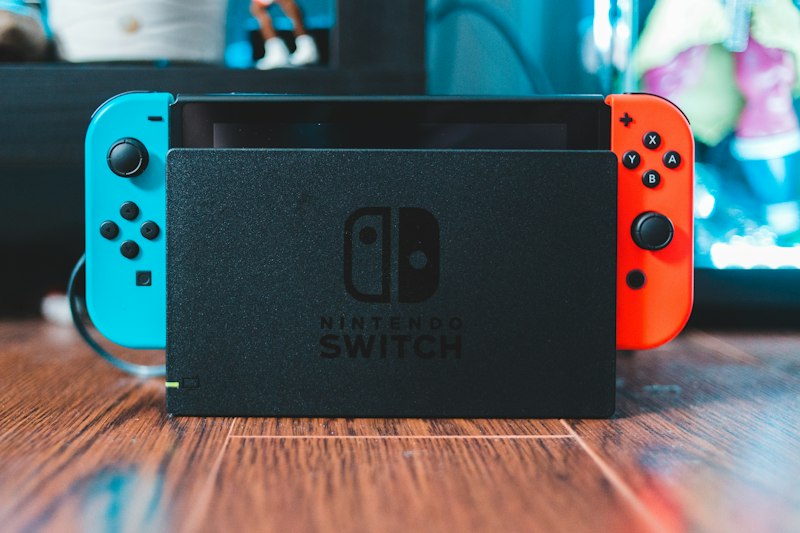
Live-service games encourage the idea that the current version is the real one and everything before it was a stepping stone. Players don't experience games as a sequence of patch notes, though. Someone played at launch in a hot apartment before moving cities. Someone bought it years later and only knows the friendlier, fuller game. Someone bounced off twice and finally found a rhythm on a handheld. Each of those is No Man's Sky to the person who played it. Ten years is long enough for a player to become a different person, and for a game to become several games under one name.
How do you "finish" No Man's Sky?
You don't, and the usual backlog questions stop being useful here. "Did you finish it?" doesn't apply. "Did you see enough?" isn't much better. Better questions: Did it give you a night you still remember? Was it your quiet game for a winter? Did you uninstall it fondly? When you came back after an update, was the muscle memory still there?
Steam records hours, screenshots, achievements and purchase dates. Consoles keep trophies and save files, at least until the next migration goes wrong. None of that captures the personal history of a game that kept changing while you did too.
A game like this suits a note better than a verdict: "Came back after years away. Still a bit lonely. Better now, but I miss how empty it was." That says more than four stars, though the stars have their place. It's the kind of entry we built Perthro to hold, with a shelved status that doesn't mean you failed.
Ten years of support changes what "launch" means
Murray's Light No Fire comment is interesting because it's closer to promising a long relationship than a content roadmap. That's more honest, and riskier.
Ambition sounded different in 2016. It meant scale: a universe, infinite planets, endless discovery. In 2026, after ten years of patches and comebacks and live games that vanished anyway, ambition sounds more like care. Will the studio stay? Will the game change without losing what made it itself? Will the first version be respected, or quietly written over?
That makes launch reviews an odd thing. A week-one No Man's Sky review is a fossil now. It's still valuable, but as a record of the impact, not a description of the current game. That doesn't mean every game deserves endless patience. Players aren't obliged to wait out a publisher's mistakes, and a game that sells a promise should arrive with enough of it to respect the people buying it. But when a game does survive and keeps changing in public, the record should have room for the whole messy story.
Write down the planets you remember
The anniversary made us want to write down our own half-remembered moments before they fade any further: the first planet that made us stop rushing, the version we actually played rather than the one that exists now, the way it felt to come back after years away.
A universe should have planets nobody has seen, and a player's history will always have gaps. It's still worth keeping the parts that mattered. If you're thinking about going back for the anniversary, our piece on returning to a game after a big update covers how to decide.