
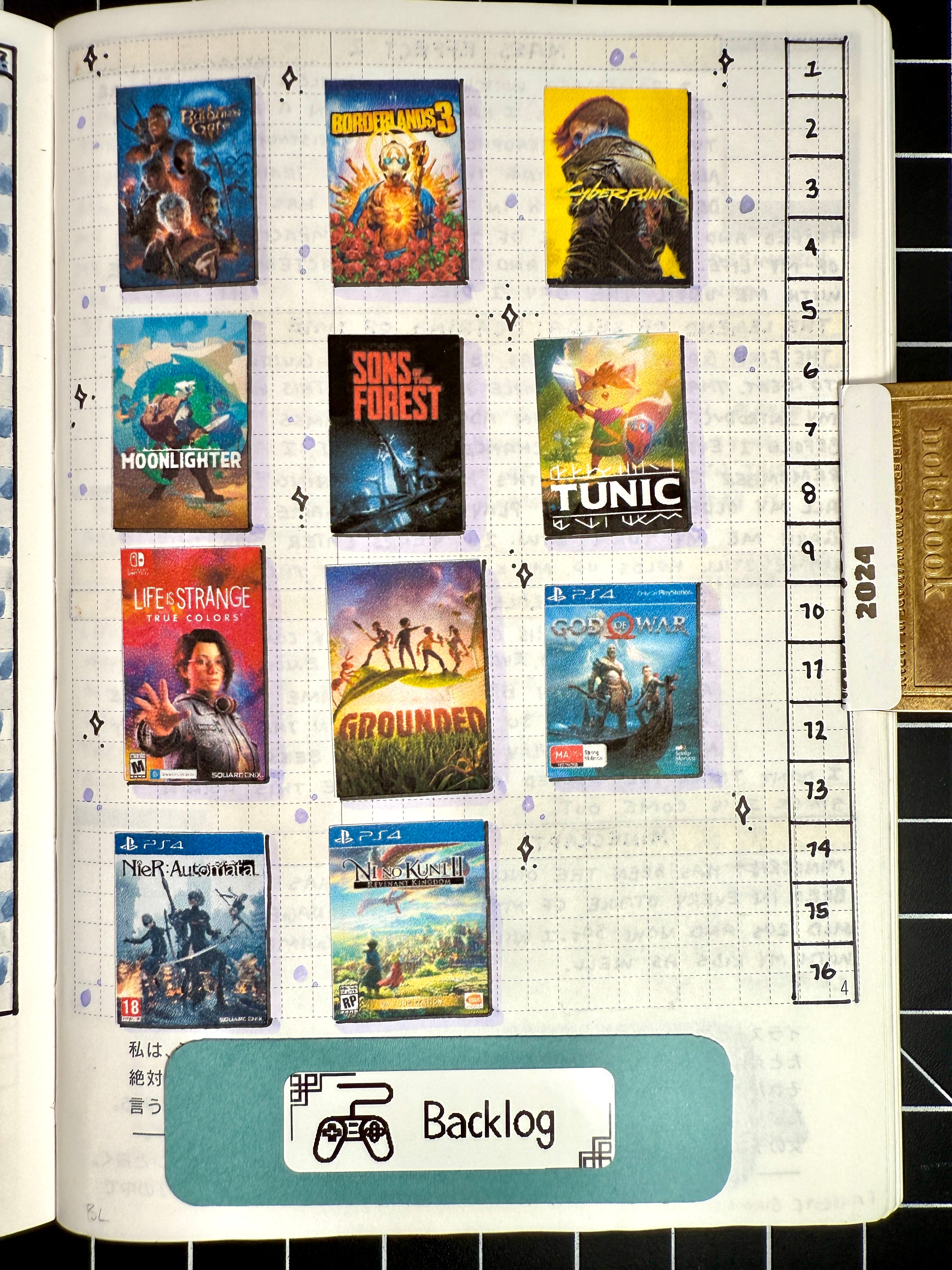
A list can tell you what you own. It cannot tell you why you bought it, who recommended it, or why you still think about it months after you stopped playing. That missing part is where a game library becomes personal.
A library is more than a shelf
Most platforms are good at keeping records inside their own walls. Your Steam library knows your Steam games. PlayStation Network knows its games. Xbox Live knows its own history. That is useful, but it leaves the larger story scattered across separate accounts and half-remembered notes.
Perthro is built around the wider record. You can import libraries from Steam, PlayStation Network, and Xbox Live, then keep games in one place whether you are playing them now, have finished them, plan to play them, or have shelved them.
Track the feeling, not just the status
Status labels are handy. They are also incomplete. A game can be finished and still feel unfinished in your head. Another can be shelved for a good reason and remain worth returning to. A five-star rating and a review give you room to record that difference instead of flattening it into a checkbox.
Reviews do not need to be essays. A sentence is enough if it captures the thing you want to remember: the friend who made the final boss funny, the soundtrack that carried a long commute, or the idea that did not land until the second attempt.
Make the backlog easier to return to
A backlog becomes less intimidating when it stops pretending every game deserves the same kind of attention. Keep the games you genuinely want to try in your wishlist. Reorder the list when your mood changes. Use the next up view when you want a small decision instead of another scroll through everything you own.
Custom lists help with the games that do not fit neatly into a status: short games for a busy weekend, recommendations from one particular friend, or the titles you want to remember from a certain year. The point is not to build a perfect taxonomy. It is to make your own shortcuts.
Let other players be part of the record
Games are social even when you play alone. Friends give you the recommendation that changes your week, the reply that makes you reconsider a rating, or the reminder that a game is worth another look. Perthro’s friends and feed let you follow players, see their activity, and react or reply when you have something to add.
That social layer works best when it stays close to the journal. You are not performing a complete identity for strangers. You are keeping up with people whose taste you trust.
The useful library is the honest one
The best game library is not the one with the most entries or the highest completion rate. It is the one that helps you remember what mattered, find the games you meant to revisit, and make a better choice when you have half an hour to play.
Perthro is a free iPhone app on the App Store for iOS 17.0 or later. Track your games, rate and review them, organize your backlog and wishlist, build lists, import supported libraries, and keep up with friends. See what the app is about at perthro.io, or visit /community and /support if you want to learn more.