Two games came out on August 27 with opposite jobs. Resonance: A Plague Tale Legacy has to prove the series can survive a new lead and a much bigger appetite for combat. Metal Gear Solid: Master Collection Vol. 2 has to move old games to new hardware without sanding off what made them strange.
Critics like both, and both sit in the low 80s on OpenCritic, but the matching averages hide different arguments. Resonance reviews run from 7/10 to 10/10 and debate creative direction. The Metal Gear collection sits in a tighter 8-to-9 band and raises questions about the quality and value of preservation.
At a glance
| Game | Developer | Released | Platforms | Review range |
|---|---|---|---|---|
| Resonance: A Plague Tale Legacy | Asobo Studio | August 27, 2026 | PC, PS5, Xbox Series X/S | 7/10-10/10 |
| Metal Gear Solid: Master Collection Vol. 2 | Konami | August 27, 2026 | PC, PS5, Xbox Series X/S, Switch, Switch 2 | 8/10-9/10 |
A 7/10 for Resonance can admire its combat, puzzles and story while objecting to its pace or technical state. An 8/10 for Metal Gear can call the package essential for fans while asking why such an anticipated collection feels thin.
Resonance: A Plague Tale Legacy review scores: 82 on OpenCritic
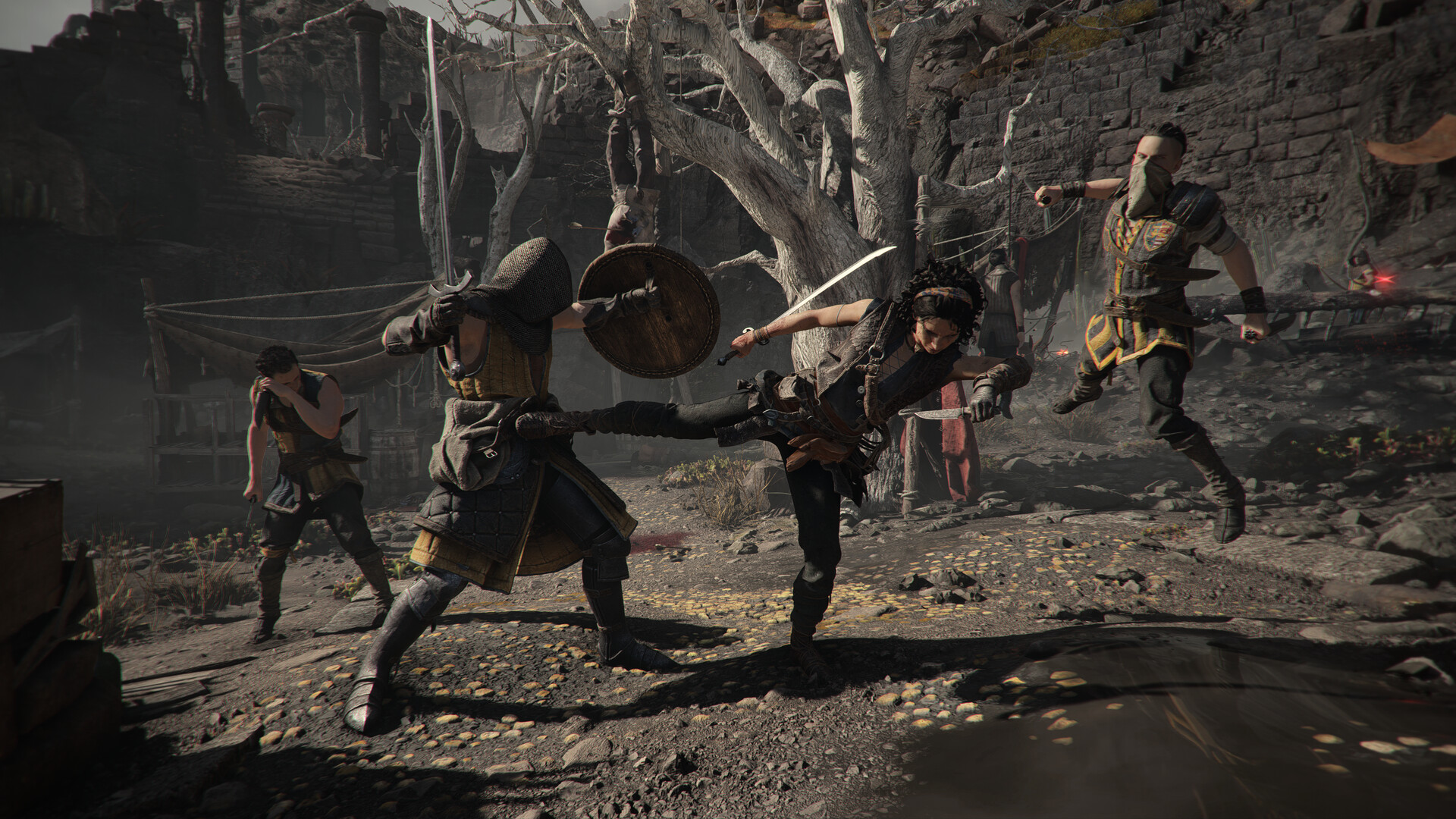
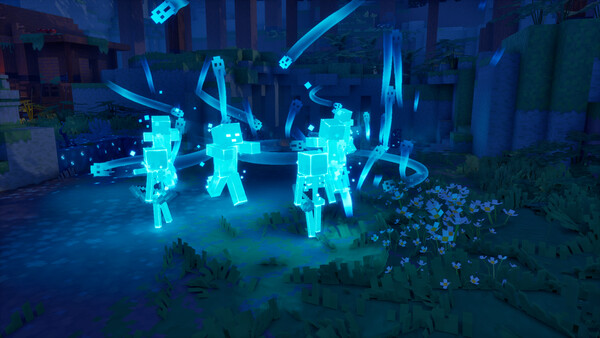
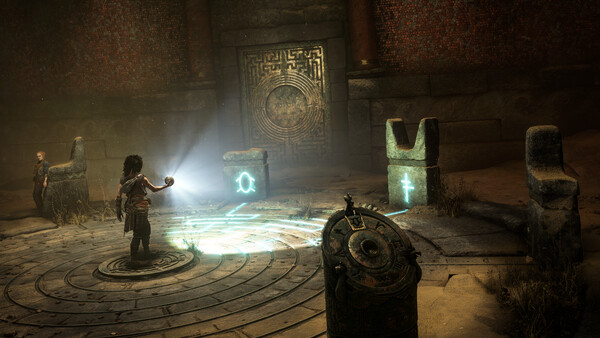
Resonance is an action-adventure prequel from Asobo Studio, published by Focus Entertainment. It follows Sophia and swaps much of the earlier games' vulnerability for direct melee combat, mythological puzzles and big cinematic set pieces. OpenCritic records 82 from 87 reviews, with 83% recommending it.
The strongest reviews treat the change as liberating. GamingBolt gave 9/10, calling it an "absolutely fantastic adventure" and praising the combat, set pieces, characters, story and mysteries, suggesting it may be the series' best. Horror Fuel gave 10/10, though its reviewer wished some characters had a bigger role.
Other critics liked the ingredients without accepting the whole dish. Liam Croft at Push Square (7/10) praised the story-focused campaign, meaningful combat upgrades, puzzles, visual highlights and PS5 haptics, and deducted for a very slow opening, severe frame-rate trouble in places, and visuals that can look fuzzy.
Eurogamer's three stars found the combat and lighter puzzling effective, then pushed back on the second half, where the descent into repeated suffering "takes its toll." That's about tone, not competence. A Plague Tale has always kept players in misery for a long time; Resonance moves faster, but some reviewers feel it still leans too hard on trauma.
Rock Paper Shotgun calls it a competent action spin-off that "loses what made its predecessors unique." Dropping Amicia, Hugo and the signature rat swarms makes room for Sophia and new combat, and removes what some players associate with the name.
What reviewers agree on
Sophia works as a lead, the environments are handsome, and the sword fighting is functional and often exciting rather than bolted on. The puzzles earn praise, especially when they trust you to read spaces and symbols.
The friction is pacing and identity. It opens slowly, then gets much louder. Critics who wanted Asobo to escape the old formula find that confident. Those who valued helpless stealth and the bond between Amicia and Hugo may see a polished action game wearing a familiar surname.
Push Square's frame drops and muddy image quality are a warning for console players, though they didn't erase its enjoyment and may improve with patches. Check current reports if uneven performance bothers you.
Who Resonance is for
Players who enjoyed A Plague Tale's world but wanted more control in a fight. It asks less patience for stealth failure and gives Sophia a more assertive toolset. If you want another game about rats, vulnerability and the relationship at the heart of the first two, reset your expectations. The scores say the experiment worked; the reviews say it cost something.
Metal Gear Solid: Master Collection Vol. 2 review scores: 83 on OpenCritic
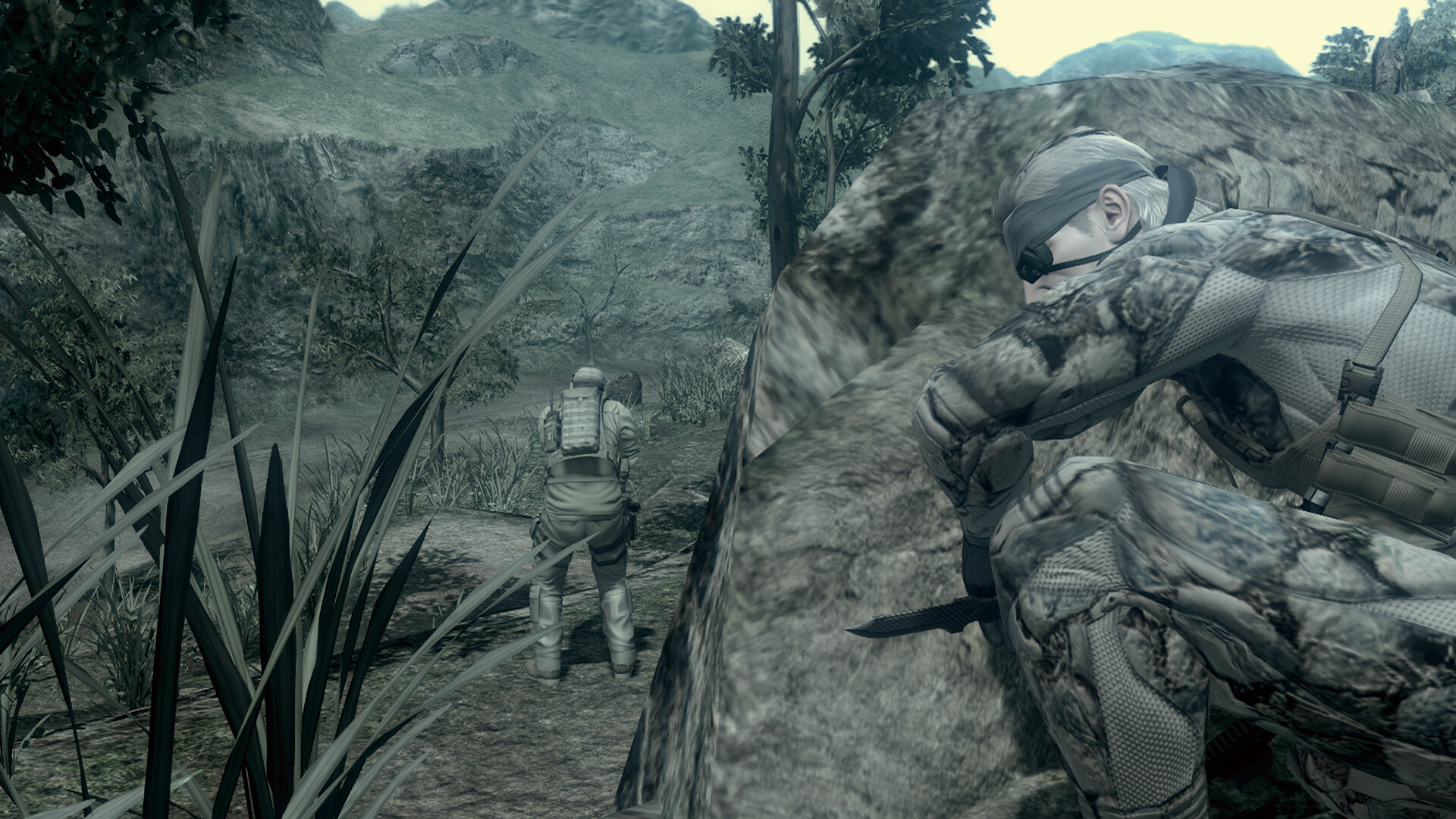
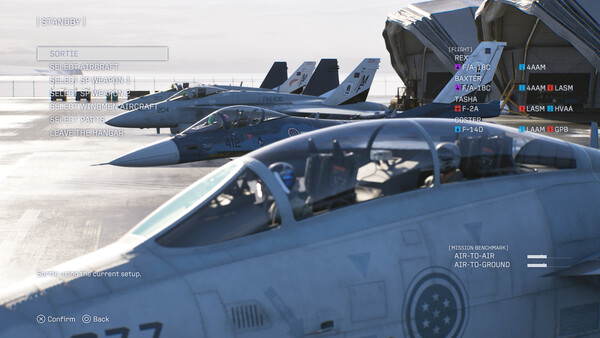
Konami's second Master Collection gathers Metal Gear Solid 4: Guns of the Patriots, Metal Gear Solid: Peace Walker and the Game Boy Color's Metal Gear: Ghost Babel, plus books, soundtrack material and other extras. It finally frees MGS4 from the PS3. OpenCritic lists 83 from 33 critics.
The MGS4 port dominates. Polygon's roundup says there's "only one thing most reviewers" care about: making Guns of the Patriots playable again. That sounds dismissive of the other two, but it reflects history: Peace Walker has been available elsewhere, while MGS4 spent eighteen years tied to unusual hardware.
- TechRadar, 4.5/5: "Peace Walker is still an unsung masterpiece," MGS4 is finally out of "PS3 prison," and Ghost Babel is a strong bonus. Praises the technical work; reservations are that the games are collectively weaker than Volume 1's, there's only one bonus title, and MGS4's old flaws remain.
- DualShockers, 9/10: MGS4 is "the real star of the show," with Peace Walker as the other headliner.
- UnGeek, 9/10: finally makes MGS4 and Peace Walker accessible on current platforms; their drawbacks stand out more now, but strengths outweigh them.
- Noisy Pixel, 9/10: "a faithful preservation package" that frees MGS4 and gives Peace Walker and Ghost Babel another chance.
- GameSpew, 8/10: a must-have for fans, led by MGS4 and the bonus material, with minor audio and control issues.
Konami hasn't rebuilt these games or disguised their age. The value is access, stability and respect for the originals, though it isn't a museum-perfect restoration.
What reviewers agree on
MGS4 is the reason to buy. Critics differ on its marathon cutscenes, tangled politics and determination to answer questions nobody else would attempt, but agree that getting it off the PS3 is a major preservation win, and better image quality and modern platforms make this the most convenient official version.
Peace Walker is more than filler, with widespread affection for its compact missions and base building despite obvious handheld origins. Ghost Babel is the surprise extra that keeps the package from being a two-game launcher.
The complaints are consistent too. It's slim; some wanted more side games, others deeper restoration. Minor technical quirks persist. MGS4 is still unwieldy, packed with exposition and bound to the obsessions of 2008. A good port preserves flaws as faithfully as strengths.
Who the collection is for
Existing fans get the easiest official route back to Old Snake's final mission. New players should start earlier in the series; MGS4 assumes knowledge of characters and events spanning decades. Peace Walker is friendlier in structure but also lands better with context. The argument is whether MGS4 alone justifies the price, not whether it deserves to be playable.
Changing too much versus too little
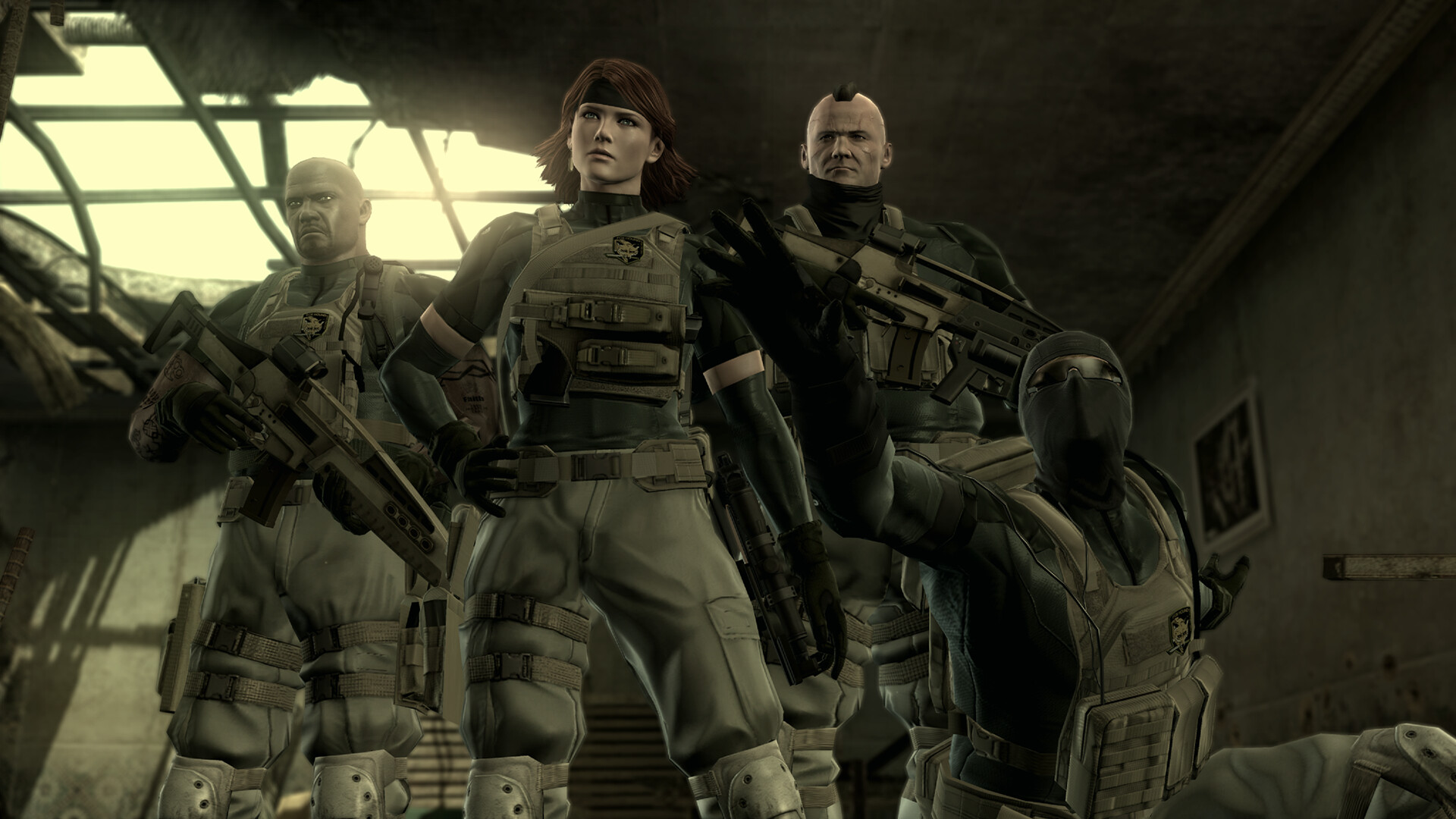
Resonance changes a series to keep it moving; the collection keeps old work intact while making it playable. Critics reward both, but the weak points come from opposite directions. Resonance risks losing its identity by changing too much, and Asobo is praised for bolder combat and criticized for leaving behind the vulnerability that defined the earlier games. Metal Gear risks feeling slight by changing too little, and Konami is praised for restraint and criticized because restraint can look like a lack of ambition.
Which to play
Resonance if a slow opening, uneven performance and a sharper action focus sound tolerable. It's the fresher surprise and the more contentious success, with consistent praise for Sophia, the puzzles, combat and presentation.
Master Collection Vol. 2 if you want an accessible archive of singular stealth games and can live with old design habits. It's the steadier recommendation: MGS4's return is overdue and handled well, even if the package is thinner than some wanted.
For why re-releases like this matter, see our piece on video game preservation.