For a long time, game music reached most people through a TV speaker and maybe an imported soundtrack CD. Now video game music concerts sell out symphony halls, the Grammys have a category for it, and orchestras are finding an audience that wouldn't otherwise buy a ticket. A 2026 survey reported by Classic FM found 52% of gamers would go to a live orchestral concert of music from their favourite games. A survey isn't ticket sales, but the appetite is obvious.
Here's why game scores work so well live, and what's different about hearing them in a concert hall.
The audience already knows the music
A Mozart programme assumes some of the room knows the repertoire. A game concert audience knows its material differently. They might not know the composer's name or what a leitmotif is, but they know exactly what was happening when that cue played: the boss that took six attempts, the town they returned to after weeks away, the menu screen left running at 2am.
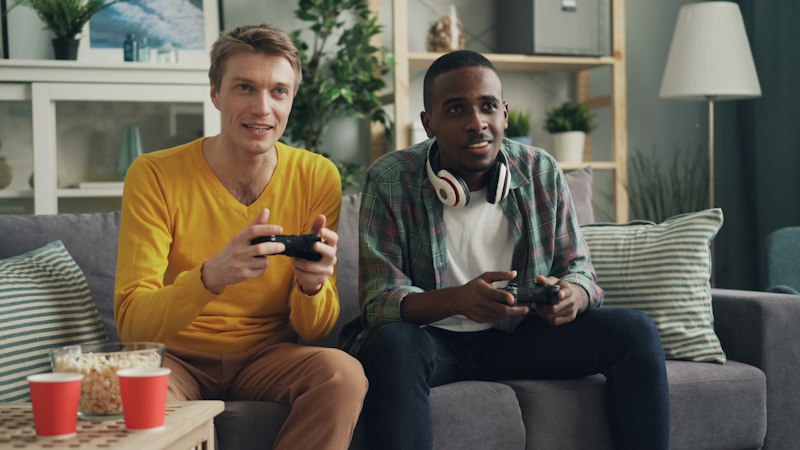
That gives a live performance a head start. The room arrives already attached to the music. It also makes these concerts oddly communal. Everyone in the seats played alone or in small groups, years apart, on different machines, and the concert is the first time many of them realise how many strangers share the same memory.
Why game scores are written differently from film scores
Film music is cut to picture, so a cue lands on the same frame every time. A game can't count on that. The player might sprint through a room, inspect every object, or put the controller down to answer the door. So game scores are built to loop without wearing thin, and modern ones often add or remove layers as the action changes, moving between cues without a hard stop.
Early game composers did this inside tight hardware limits: a handful of sound channels carrying melody, rhythm, warning sounds and atmosphere at once. That pushed them towards clean, memorable ideas that could repeat for hours. Those constraints produced some of the most recognisable melodies in the medium.
A concert arrangement has to undo that. It takes music designed to bend around unpredictable play and gives it a fixed beginning, middle and end, which is real interpretive work. A good arrangement keeps the original's identity and makes it hold together for an orchestra. A bad one buries a simple 8-bit melody under decoration it never needed.
What the hall adds is scale. A countermelody you never noticed moves to the front. Percussion becomes something you feel. A choir turns a familiar boss theme into something huge.
Final Fantasy and Distant Worlds
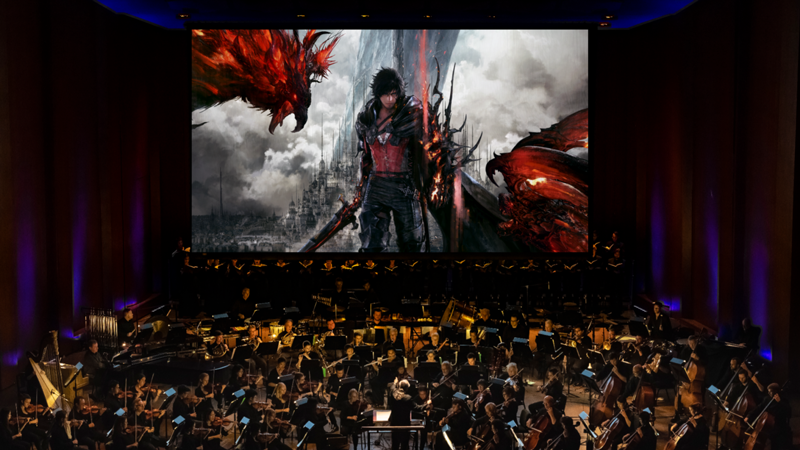
Few series show the path from console to concert hall as clearly as Final Fantasy. Composer Nobuo Uematsu and conductor Arnie Roth co-founded Distant Worlds: Music from Final Fantasy in 2007, and the world tour opened in Stockholm on December 4 that year, in time for the series' 20th anniversary.
It worked because Final Fantasy had built up two decades of distinct musical worlds. A battle theme, a character piece or a vocal track could each take an audience back to a specific game, party and console generation. Distant Worlds also made the point that game music didn't need to borrow film music's respectability to be in the hall. The source material was the draw.
Since then, touring productions and local orchestras have tried both models: single-franchise nights, and mixed programmes that play like a history of the medium. Wake Forest University's coverage of music professor Aaron Hardwick's research argues these programmes open new routes into symphonic listening, performance and composition. It works when the orchestra takes the scores and the fans seriously. Audiences notice when they're being treated as a demographic to tap.
The Grammys caught up
The Recording Academy added a category for Best Score Soundtrack for Video Games and Other Interactive Media, first awarded in 2023, to Stephanie Economou for Assassin's Creed Valhalla: Dawn of Ragnarök. The wording matters: interactive scores have needs that film and TV scores don't, and a separate category recognises that craft.
It also has a practical effect. Composer names get easier to find, and players who knew a soundtrack only by the game's title start following the person who wrote it. The Conversation has written about how game soundtracks, and concert series like Video Games Live and Distant Worlds, are pulling younger people into playing and arranging music. A pianist learns a town theme because it means something to them, and a young arranger starts by transcribing a battle cue.
Why game music stays with people
Game music has one big advantage over film scores: time. A film cue might play for two minutes. A game can keep a theme close for 30, 80 or 200 hours. Repetition doesn't make music good, but repeated music gets tied to routine: the fight you kept retrying, the hub you crossed a hundred times, the menu you sat in while waiting for friends to join.
So a concert can hit harder than you expect. The music brings back the game, but also the room you played it in, the person who recommended it, and the version of you who had time for a 90-hour RPG. That's part of the appeal, but calling it all nostalgia undersells it. Newer scores reach the stage too, and plenty of people go for the composition and the performance.
Game music off the stage: vinyl and study playlists
The concert hall is only one place game music lives now. The same quality that lets a score loop under eighty hours of play, sitting at the right height in the mix without demanding attention, makes it ideal music to work to. Disasterpeace's Hyper Light Drifter score will sit under an hour of work without asking for anything; a big film score is the loudest thing in the room within minutes.
Playlists have noticed. Lofi Girl runs a Lofi Gaming playlist with hundreds of tracks, GameChops has the Video Game Study Lounge, and Spirit City: Lofi Sessions is a whole Steam game built around studying to a lofi loop. None of it is strange once you remember the town themes in Final Fantasy IX were written to play while your attention was on something else.
Vinyl tells the same story. Mewgenics has a 3LP set, Toma Otowa's Ghost of Yōtei score is getting a 2LP, and labels like Blip Blop exist entirely to press game music. People who played these games years ago still put the music on while making dinner, and a record on a shelf suits music you return to on purpose.
Going to your first video game concert
It's less formal than a lot of people fear. Programmes vary, but clapping between pieces is expected, and nobody minds enthusiasm. Some events encourage cosplay; others feel like a normal symphony night. The venue usually makes the tone clear.
A few things we'd suggest:
- Relisten to one or two soundtracks beforehand, but don't turn it into studying. Part of the fun is hearing what you'd forgotten.
- Go with someone who hasn't played the games. You bring the context; they hear how the music is built without the memories attached. Comparing notes afterwards is half the evening.
- Write down the cue that changed most in the room. Live, a familiar melody often turns out to be more complicated than you remembered.
And if a concert sends you back to a game you'd drifted away from, that's worth noting too. We keep that kind of thing in Perthro, next to the review we wrote the first time round.
Sources
- Classic FM: More than half of gamers would like to attend a live orchestral video game music concert
- Distant Worlds: About the concert
- The Recording Academy: Best Score Soundtrack for Video Games and Other Interactive Media, 2023
- Wake Forest University: Video games are driving diverse audiences to symphonic music
- The Conversation: How video game soundtracks are influencing a new generation of musicians and music lovers