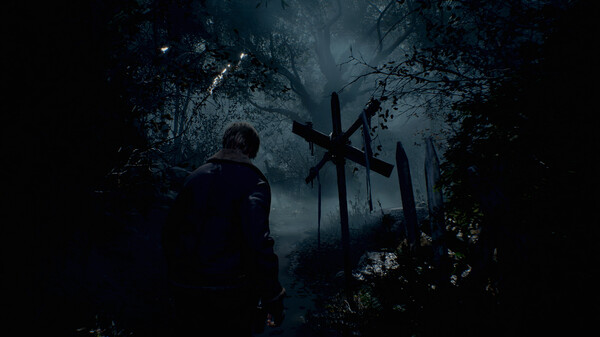
Look at the biggest releases of the last few years and a pattern stands out. Resident Evil 4, Silent Hill 2, Metal Gear Solid Delta, Oblivion Remastered. All of them were hits, all reviewed well, and all were new versions of games first released one or two decades ago. 2026 has gone further: Gothic, Star Fox, Assassin's Creed Black Flag and Halo all came back this year.
The short answer to why there are so many remakes is that they're the safest bet in an increasingly expensive industry. Big new games now cost hundreds of millions of dollars and take five years or more. A remake starts with a proven design and an audience that already loves it, and the best ones now outsell the original. Here's what the numbers show, where remakes help players, and what they cost.
Remakes and remasters released 2023–2026
| Game | Type | Developer | Released | Metacritic | Sales or players (official) |
|---|---|---|---|---|---|
| Dead Space | Remake | Motive Studio | Jan 2023 | 87–90 | Not announced |
| Resident Evil 4 | Remake | Capcom | Mar 2023 | 91–93 | 16 million (June 2026) |
| Final Fantasy VII Rebirth | Reimagining (part 2 of 3) | Square Enix | Feb 2024 | 90–92 | Not announced |
| Silent Hill 2 | Remake | Bloober Team | Oct 2024 | 86–87 | 2.5 million (Oct 2025) |
| Oblivion Remastered | Remaster | Virtuos, Bethesda | Apr 2025 | 80–82 | 9 million players in ~3 months (includes Game Pass) |
| Metal Gear Solid Delta: Snake Eater | Remake | Konami | Aug 2025 | 83–85 | Over 2 million (Mar 2026) |
| Gothic 1 Remake | Remake | Alkimia Interactive | Jun 2026 | 69–74 | 500,000 in first week |
| Star Fox | Remake of Star Fox 64 | Velan Studios, Nintendo | Jun 2026 | 81 | Not announced |
| Assassin's Creed Black Flag Resynced | Remake | Ubisoft Singapore | Jul 2026 | 82–84 | 3.5 million shipped in two weeks |
| Halo: Campaign Evolved | Remake (campaign only) | Halo Studios | Jul 2026 | 77–81 | Not announced |
We reviewed several of this year's remakes: Gothic 1 Remake, Star Fox, Black Flag Resynced and Halo: Campaign Evolved.
Remake, remaster, port: what's the difference?
The words get used loosely, so it helps to separate them:
- A port is the same game moved to new hardware, with little or no change.
- A remaster keeps the original game's structure and systems but upgrades the visuals, sound and performance. Oblivion Remastered is a remaster, though an ambitious one: it runs new Unreal Engine 5 graphics on top of the original game's systems.
- A remake rebuilds the game from scratch, usually redesigning controls, levels and sometimes story. Ubisoft rejected the word "remaster" for Black Flag Resynced for exactly this reason: it was rebuilt in a new engine with no original code reused.
- A reimagining treats the original as a starting point. Final Fantasy VII Remake and Rebirth split one game across a trilogy and change the story as they go.
Remakes sell, sometimes more than the original
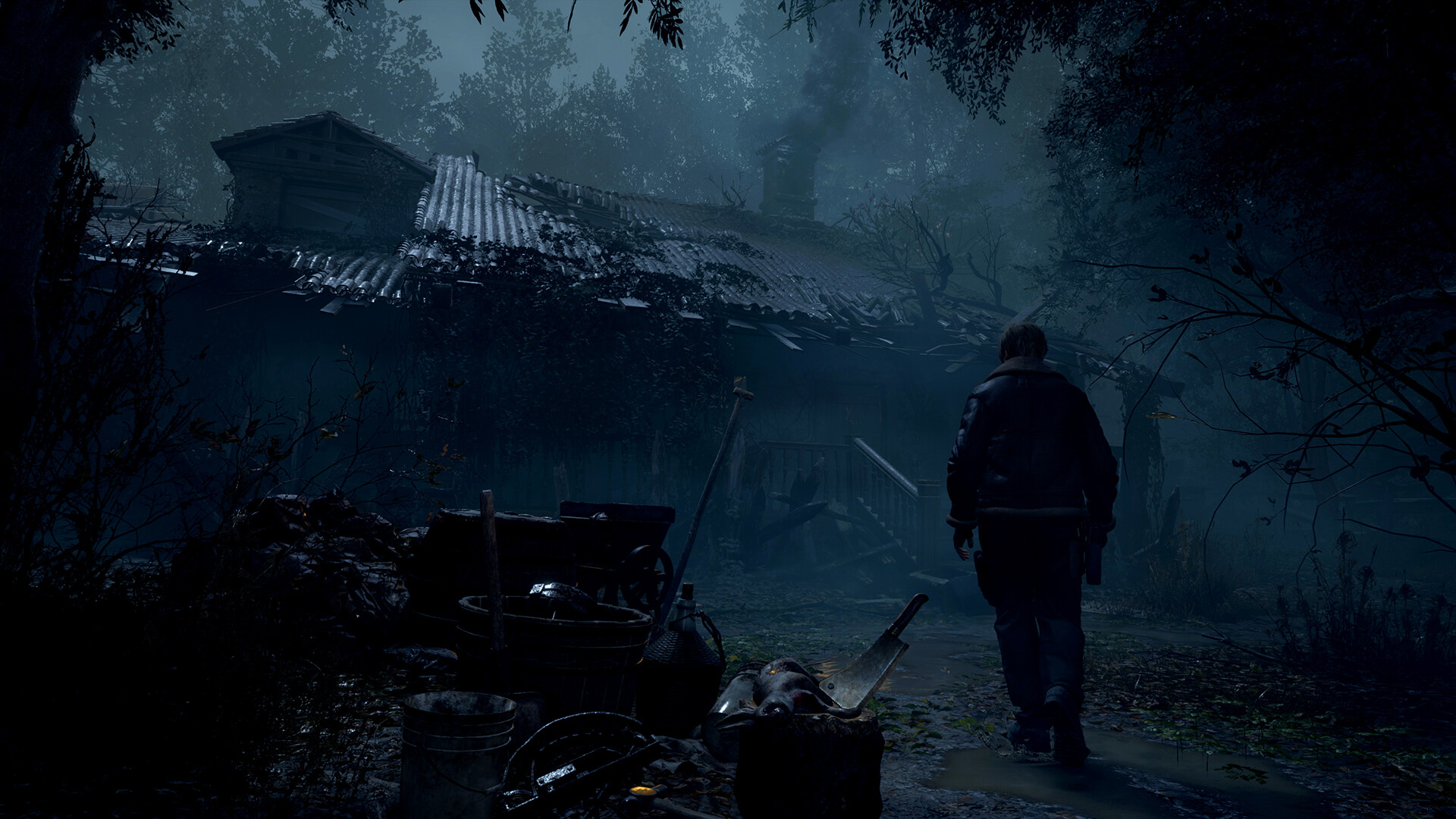
The clearest evidence is Capcom's own sales data. As of June 30, 2026, Capcom's list of best-selling games has the Resident Evil 2 remake at 19.7 million copies, the Resident Evil 4 remake at 16 million, and the Resident Evil 3 remake at 14.5 million.
The Resident Evil 4 numbers are striking. Add up every version of the original that Capcom lists, from the 2005 PS2 and GameCube releases through the PC, PS4, Xbox One and Switch re-releases, and you get roughly 15.8 million copies over 14 years. The remake passed that on its own in about three years. It sold 3 million copies in its first two days.
It's the same story elsewhere. Silent Hill 2 sold a million copies in four days. Metal Gear Solid Delta passed a million in its first 24 hours. And Ubisoft said Black Flag Resynced "has already exceeded the annual expectations we had" just two weeks after launch.
Why publishers love remakes: budgets
The other side of the equation is cost. Big-budget games have become enormously expensive. Documents released during the US Federal Trade Commission's case against Microsoft in 2023 showed Sony spent about $212 million on Horizon Forbidden West and about $220 million on The Last of Us Part II, each over five years or more. Leaked Insomniac Games documents put Marvel's Spider-Man 2 at around $300 million.
A remake isn't cheap, but it removes much of the risk. The design has been tested on millions of players. The story is known to work. And marketing a name people already love is easier. On Ubisoft's July 2026 earnings call, the company noted that with a remake "you also benefit from the awareness of the game, so you can come with lower marketing."
Publishers say this openly. Capcom's 2025 Integrated Report describes growing its series "through new releases, remakes, and ports of titles in these series to new hardware." Konami's revival of Silent Hill and Metal Gear both started with remakes.
Why players love remakes: access
There's a real benefit for players, too. Most old games are hard to play legally. A 2023 study by the Video Game History Foundation and the Software Preservation Network found that 87% of classic video games released in the US before 2010 are out of print. For some platforms the number is worse: only 4.5% of Commodore 64 games and 12% of PlayStation 2 games are still available.
A remake brings a game back on sale, and it plays like a modern game. Old control schemes, fixed cameras and save systems can be a real barrier for new players. For a lot of people, the Resident Evil 4 remake was their first time playing Resident Evil 4.
Sometimes the remake is also a chance to do what the original couldn't. When Sony remade The Last of Us in 2022, PlayStation Studios head Hermen Hulst described the original as "a little ahead of its time in terms of its creative vision, [and] against the limitations of the technology at the time."
The downside: what remakes crowd out and replace
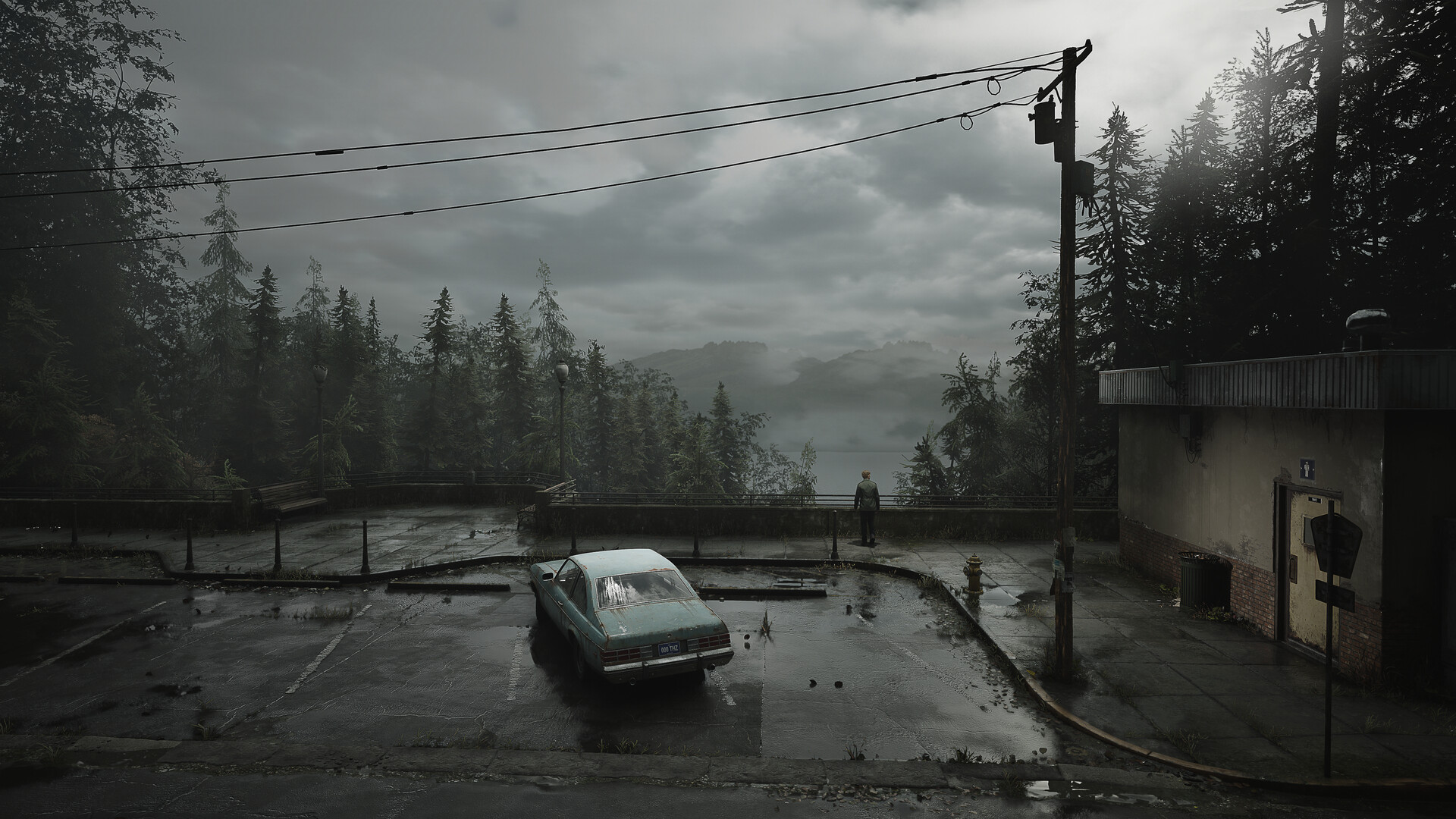
The worry is what all this does to new games. Every team working on a remake is a team not making something new. If every publisher's safest bet is its back catalogue, there's less room for the strange new ideas that become tomorrow's classics.
There's also a preservation problem. A remake can quietly replace the original instead of sitting alongside it. When Rockstar announced the GTA Trilogy Definitive Edition in 2021, it removed the original versions of GTA III, Vice City and San Andreas from digital stores. When Blizzard released Warcraft III: Reforged in 2020, its mandatory update overwrote the original game client for everyone, including players who never bought Reforged.
The Video Game History Foundation's study treats a ground-up remake as a different game, and that's the right way to think about it. The original Yakuza, for example, counts as out of print even though its remake, Yakuza Kiwami, is easy to buy. A remake is a new interpretation, not a restoration. We wrote more about this in why game preservation can't depend on stores.
Should you play the remake or the original?
If you've never played either, start with whichever is easier to get and enjoy, which for most people will be the remake. If you loved the original, treat the remake like a cover version: some of it will be better, some of it will be different, and both are worth having.
And if you've played both, write down what you thought of each. Remakes are one of the few times you get to compare two takes on the same game, and how you felt about them says a lot about what you value in games. In Perthro you can log both versions separately, with their own ratings.
Sources
- Gematsu: Capcom Platinum Titles sales update as of June 30, 2026
- Wikipedia: Resident Evil 4 (2023 video game)
- Wikipedia: Silent Hill 2 (2024 video game)
- Wikipedia: Metal Gear Solid Delta: Snake Eater
- Wikipedia: The Elder Scrolls IV: Oblivion Remastered
- Wikipedia: Assassin's Creed Black Flag Resynced
- eXputer: Black Flag Resynced sales hit 3.5 million
- VGC: Poorly redacted Sony documents reveal The Last of Us and Horizon sequel budgets
- Aftermath: Big-budget game development is not sustainable
- Video Game History Foundation: Study explainer
- Push Square: Sony on The Last of Us Part I
- PCGamesN: Warcraft III Reforged and the classic client