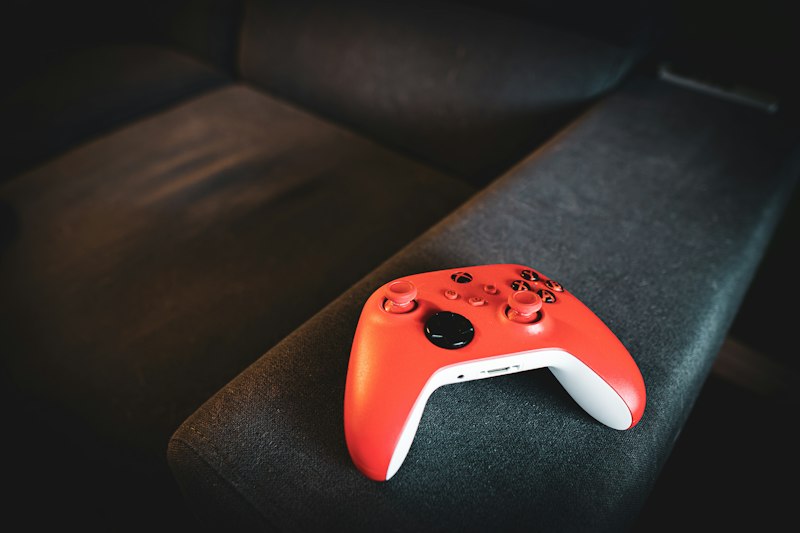

If you're trying to find time to play games and keep coming up empty, the fix usually isn't finding more hours. It's making the time you already have easier to use. Twenty minutes after the kids are asleep, a train ride, an hour on Sunday morning: those are real play sessions if the game you pick fits them.
This guide covers how to game as a busy adult: shorter sessions, games that respect them, one game at a time, a weekly check-in, and turning play with friends into time you actually protect. You're in good company. The Entertainment Software Association's 2025 Essential Facts report put the average U.S. player at 36 years old, with 18 years of playing behind them. Most people playing games have jobs, bills and not enough evenings.
Why it feels like there's no time to play games
The problem is rarely zero minutes. It's that the minutes come in the wrong shape. A big open-world game wants a two-hour evening to get anywhere, and your free time arrives in 25-minute pieces between other things. So you don't start, because 25 minutes doesn't feel worth loading a save you barely remember.
There's also the startup cost. Booting the console, installing an update, remembering the controls and what you were doing can eat a third of a short session. Cut that cost and short sessions start to feel like real play instead of a warm-up you never finish.
Play in short sessions
Treat 20 to 30 minutes as a normal session, not a failed one. Most games can give you something meaningful in that window if you go in with a small goal: finish this dungeon floor, clear one quest, get through one match.
A few habits make short sessions work:
- Stop at a natural break. End after a boss, a chapter or a run, not in the middle of something. It makes the next session easier to start.
- Leave yourself a one-line note. "Heading to the lighthouse, need the rope" saves ten minutes of wandering next time. Some games have a quest log that does this; many don't.
- Skip the setup. Update overnight, keep the controller charged, leave the game suspended. The less friction between sitting down and playing, the more likely you are to play.
Save points were built around this kind of stopping, and our piece on the save point and the small art of stopping goes into why a clean break matters.
Pick games that fit your free time
Some games respect a short session and some fight it. When time is tight, lean toward games with short loops, clear stopping points and good suspend support. Here's a rough guide by session length:
| Time you have | What fits | Examples |
|---|---|---|
| 5 to 15 minutes | Single matches, puzzle rounds | Rocket League (5-minute matches), Tetris, Mini Metro |
| 15 to 30 minutes | One in-game day, one full run | Stardew Valley (a day is about 14 minutes), Vampire Survivors (runs cap at 30 minutes) |
| 30 to 60 minutes | Roguelike runs, tactics battles | Hades, Slay the Spire, Into the Breach, Balatro |
| 1 to 2 hours | A chapter, a dungeon, a story beat | Chapter-based story games, a Zelda dungeon, an evening of a long RPG |
Longer games aren't off the table. They just work better if you save them for the longer windows you do get, and keep a short-session game going alongside for the rest of the week.
Handhelds make busy weeks playable
The single biggest change for busy players is suspend and resume. Put a Switch 2 or Steam Deck to sleep mid-fight, pick it up the next day, and you're exactly where you left off with no loading screen. Xbox Series consoles do something similar with Quick Resume, and PS5 rest mode keeps a suspended game ready to continue.
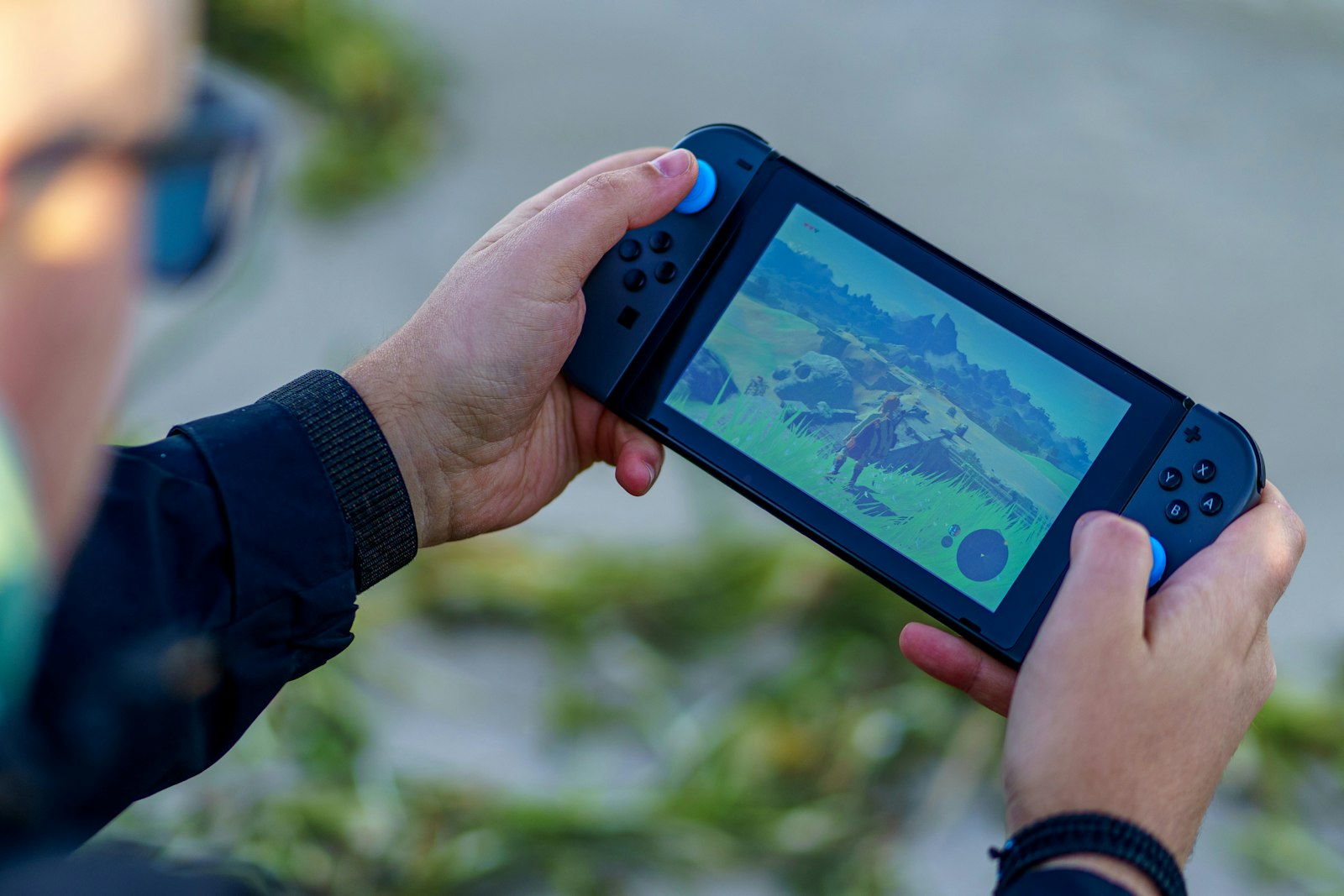
Handhelds also move play out of the living room. A handheld on the couch while someone else has the TV, on a lunch break, or on a train turns dead time into play time. Your iPhone counts too: Balatro, Vampire Survivors and Slay the Spire all have iOS versions, and a roguelike run fits neatly into a commute. For more on how handhelds are shaping what gets made, see how Steam Deck is changing PC game design.
Plan your week: one game, one check-in, one hour
Play one game at a time
When time is scarce, spreading it across five games means you make almost no progress in any of them, and every session starts with "wait, what was I doing?" Pick one main game and give it most of your sessions until you finish it or decide to drop it.
It's fine to keep a second, lighter game for when you only have ten minutes or you're too tired to think. The point is to stop splitting a small amount of time across a long list. If the list itself is the problem, how to play your backlog without burning out covers trimming it down to what you'll actually play.
Do a weekly check-in
A small amount of planning goes a long way. Once a week, take two minutes and answer three questions: what am I playing, when will I realistically play it, and is it still the right game for this week? A heavy work week might mean swapping the dense RPG for something you can play half-asleep.
Protect one hour on Sunday
Then protect one slot. A simple rule works well: one hour on Sunday, every week, for the main game. Morning coffee, phone in another room, nothing else scheduled. It doesn't sound like much, but an hour a week is 52 hours a year, which is enough to finish several full-length games. Everything you get on top of that is a bonus.
Play with friends as scheduled social time
Adult friendships run on schedules, and games can be one of the easiest to keep. A standing co-op night every other Thursday, a weekly online match with an old friend in another city, a shared game you both play and text about: these count as time with people, not just time with a screen.

The appointment makes it happen. You'll skip a solo session when you're tired; you're far less likely to cancel on a friend. Even when you can't play together, seeing what friends are playing helps. In Perthro you can see what your friends logged this week, which is often the nudge to pick up the same game and have something to talk about.
Drop the guilt about how much you play
The last tactic is the easiest to say and the hardest to do: stop measuring yourself against people with more free time. You don't need to finish every big release in launch week or keep up with every conversation online. Games will still be there in a month, usually patched and cheaper. Our piece You are not late to your own games makes the longer case.
A busy life with an hour of games a week is still a life with games in it. Pick something that fits the time you have, protect a small slot, play with the people you like, and let that be enough.