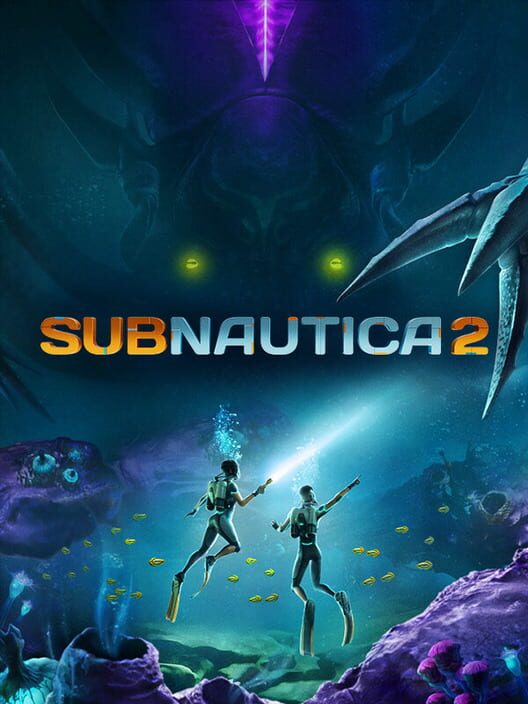
Subnautica 2 went into Early Access at 8am Pacific today, and the first Subnautica 2 reviews are already up. Twelve days ago we asked when an Early Access game is finished enough to review. Now the critics have answered with their own drafts, and there's more in them than an average score would show.
We've read seven so far. They fall into two groups, and the reasons they disagree are the most useful part.
The Subnautica 2 reviews that loved it
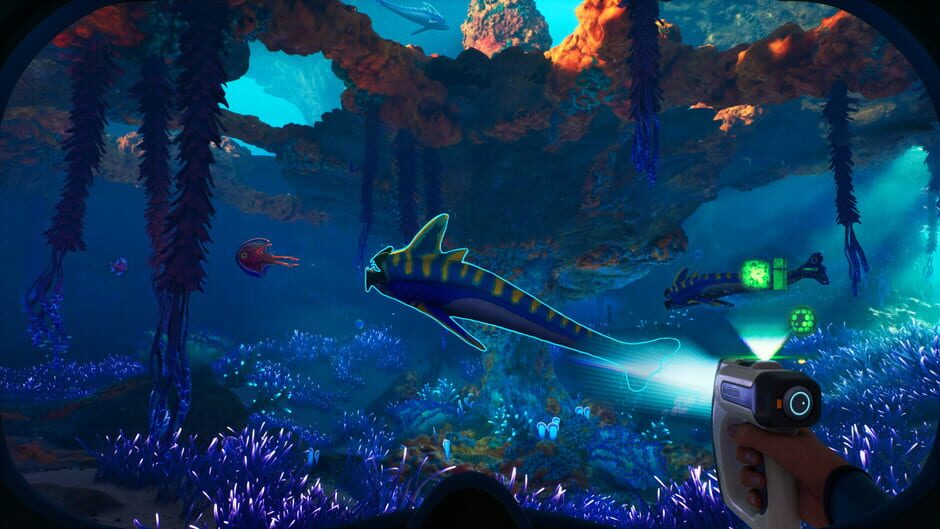
The first group comes to the build either as newcomers or as forgiving veterans, and they land in the same place: it looks great, the core loop works, and the Early Access label matters less than usual.
Charlie Champion at Insider Gaming put in fifteen hours and called what's there "an incredibly promising foundation." He singled out a new Adaptations system that ties progression to genetic changes as well as gear upgrades. Apart from minor bugs and a predator or two, his verdict was "hugely promising."
Leo Faierman at ScreenRant called it a "no-brainer" to jump in now. He liked the dry, dark humour in the writing and noted that this build is more mechanically polished than the original was during its own Early Access years. Paul Kelly at PCGamesN said there were "no early access cobwebs to be seen." Sam Watanuki at ComicBook, reviewing as a series newcomer, was won over by the crafting interface and the four-player co-op.
Patrik Severin at Gamereactor is the only one of the seven to give a score: 8/10. He praised how it looks and sounds and how it pushes you to explore. His main caveat was length, with six to twelve hours of content that he described as more of a starter than a full meal.
The reviews that missed the silence
The second group loved the first Subnautica for how alone it made you feel, and finds that this build won't leave them alone.
John Walker at Kotaku wrote the line of the week: "Subnautica 2 is never quiet. It never bloody shuts up." His piece is otherwise fond. He likes the base building, the visuals and the writing. What drags it down for him is the constant chatter from an AI companion called NoA, and barriers that keep you out of biomes until the game decides you're ready. The first game, he points out, was about finding your own way somewhere strange. This one tells you where to go.
Kaitlyn Peterson at TheGamer sits closer to the middle but leans the same way. She describes the build as closer to a re-release than an ambitious sequel, and asks whether four-player co-op undercuts the isolation that defined the original.
Why the Subnautica 2 reviews split
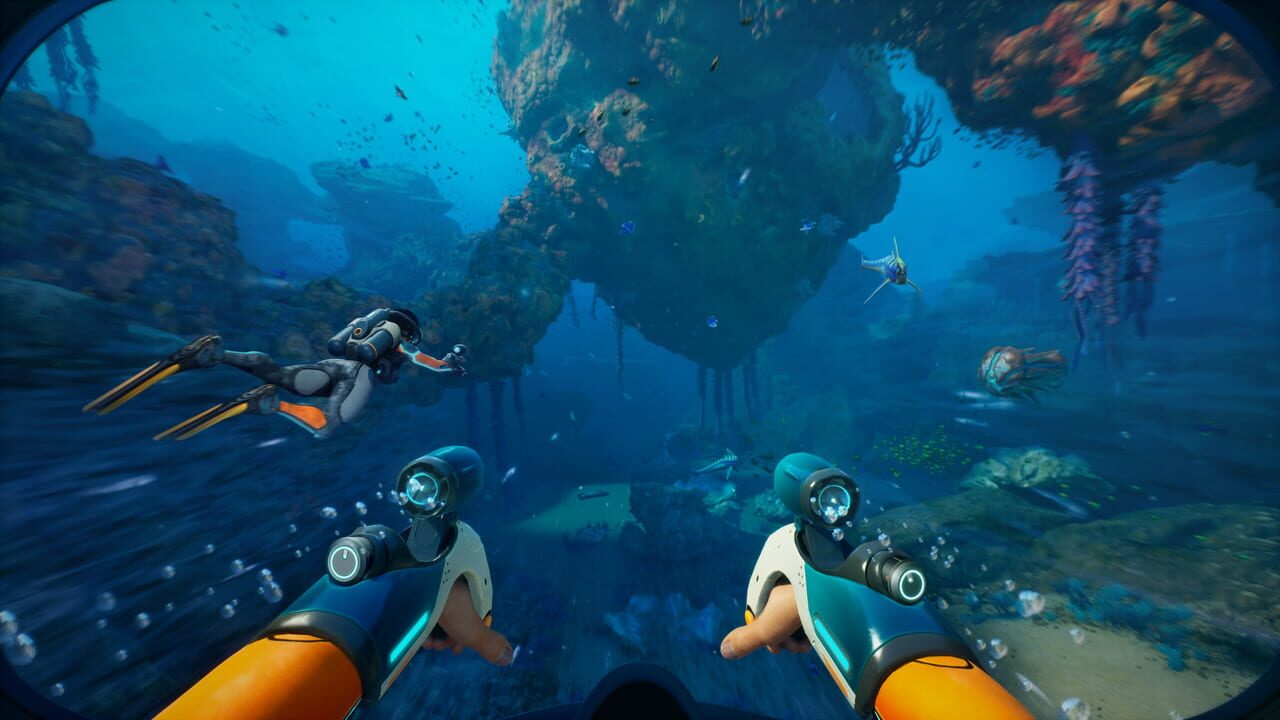
The two groups aren't arguing about bugs or content. The positive reviews judge what's on the screen: a polished, good-looking survival game with a deeper progression system. The critical ones judge what's been added on top: a talking companion, guidance and gating that the first game deliberately left out.
Both are fair descriptions of the same build. Which one you agree with probably depends on which Subnautica you spent eighty hours in, if any. If you played the original in 2018 and loved being lost, Walker's complaint will land. If you're new and wanted a way in, NoA might be the thing that keeps you playing.
What to put in your own Subnautica 2 review
A score average can't hold that kind of split. Your own notes can. If you're playing this week, a few things worth recording while they're fresh:
- Whether you played solo or in co-op, since the two groups above are partly reviewing different modes.
- When NoA started to bother you, or whether it never did.
- The first time the game fenced you out of a biome, and how that felt.
- Your hours and the date, so you know which build you're talking about when 1.0 arrives.
A Perthro review already has spaces for hours played, platform and whether you finished, so the Early Access context sits next to your rating instead of getting lost. Write the first one this week, and come back to it after the next big update to see whether you've moved from one group to the other.