Bluey's Quest for the Gold Pen, Echo Generation 2 and LumenTale: Memories of Trey all came out in the last week of May, and each now has enough reviews to read. None was a unanimous hit, and the numbers mean different things: a 73 for a kids' collectathon isn't the same as a 78 for a deckbuilding RPG or an 80 for a rough creature collector. The useful question for each is who it's good for and how much patience it asks.
Bluey's Quest for the Gold Pen review: 73 on OpenCritic
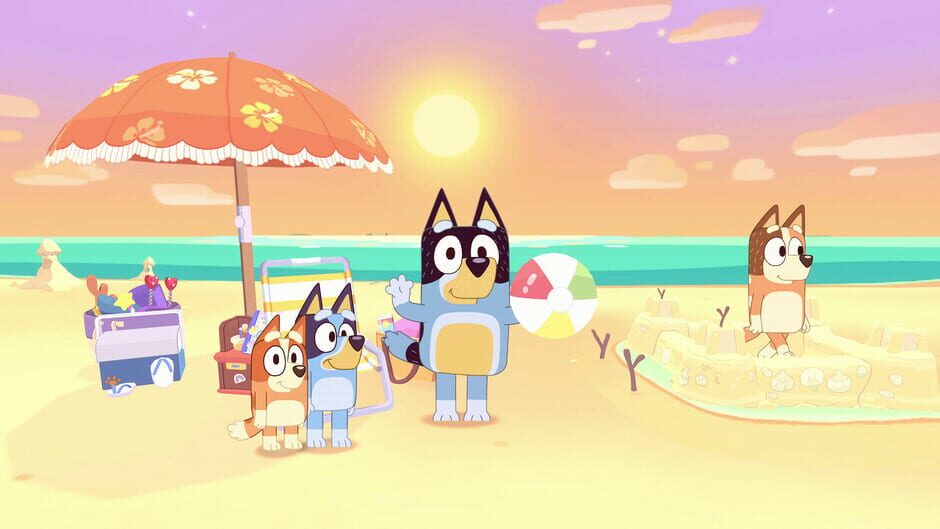
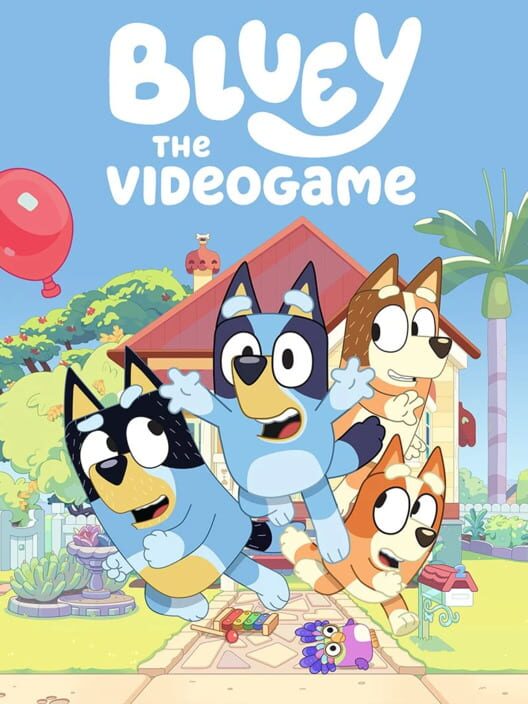
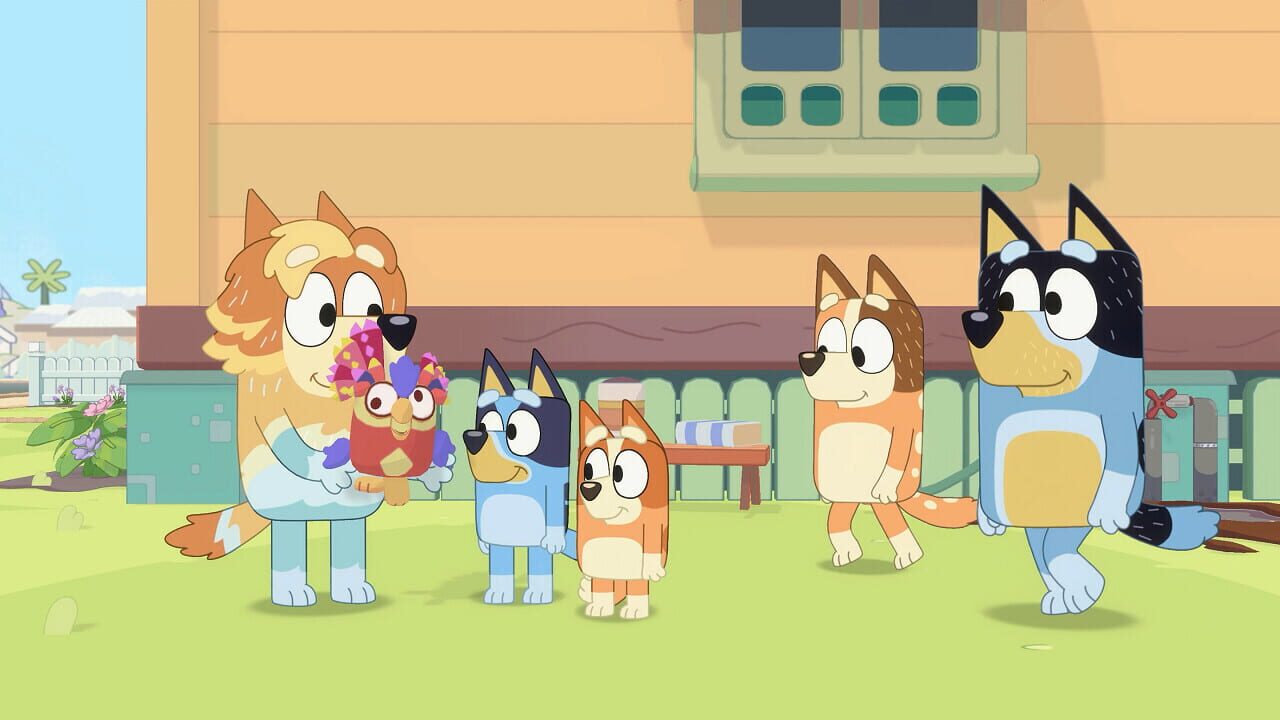
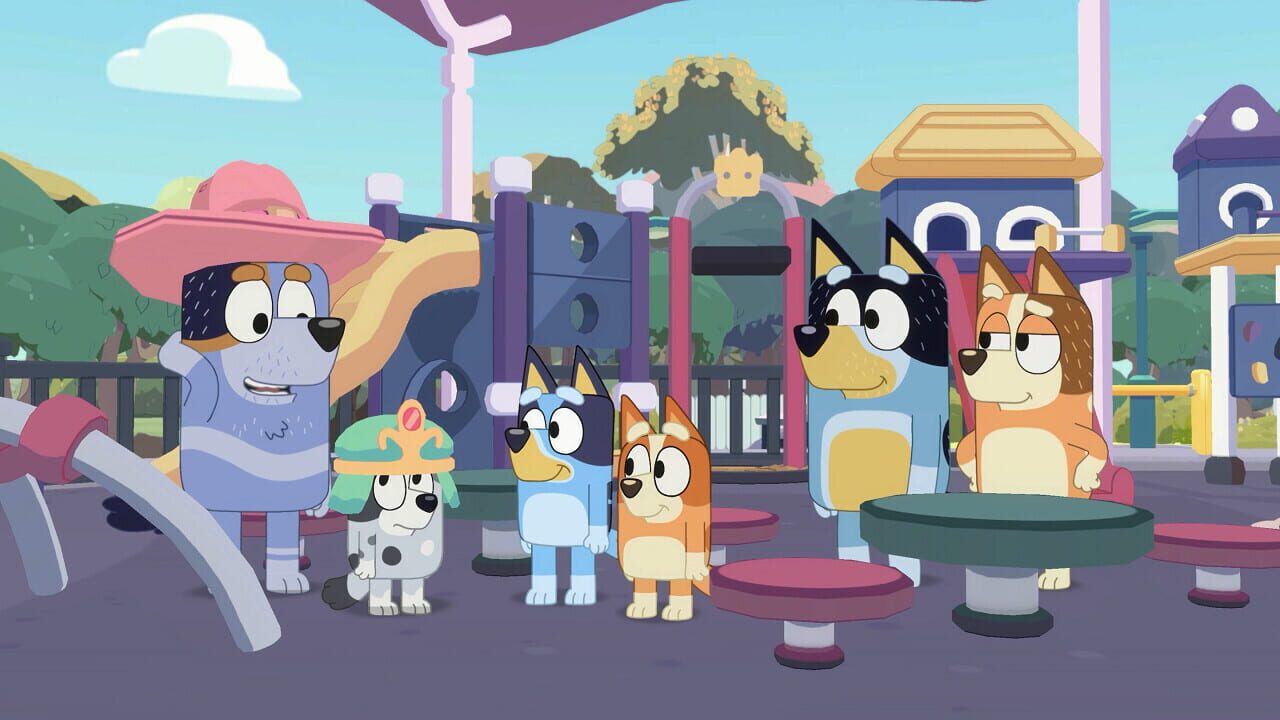
OpenCritic has Bluey's Quest for the Gold Pen at 73 from 18 critics (Fair), with 56% recommending it. It came out May 28 on PS5, Xbox Series X|S, Switch 2, Switch and PC. Reviewers say Halfbrick made a much better Bluey game than the first one, but keep coming back to repetition, simplicity and who it's for.
Oliver Reynolds at Nintendo Life said it "mostly succeeds" at being more substantial than Bluey: The Videogame, while keeping some of that game's repetition. He liked the hand-drawn look, the nine worlds, and the setup: Bluey and Bingo chase Bandit's stolen Gold Pen through Chilli's drawings, which is exactly the kind of small household adventure the show does well.
Melissa Sarnowski at DualShockers gave it 9/10 and called it "the gold standard of game design for younger players." She wasn't grading it as a platformer for adults: it plays like an interactive episode, with enough challenge for young kids without getting harsh. That's probably the right way to judge it.
Clinton James at Pure Nintendo gave 6/10, calling it a decent collectathon kids will enjoy for the simple play and show callbacks, but wanting more mechanics, more variety between zones and a longer story. Digital Chumps landed at 7.8/10: good for younger players, with familiar characters, upbeat worlds and just enough challenge.
Critics like the tone, the look and the step up from the 2023 game, and disagree on whether that's enough. If you're playing with a child who loves Bluey, the 73 undersells it. Played solo as a collectathon, the repetition shows quickly.
Echo Generation 2 review: 78, but only 33% recommend it
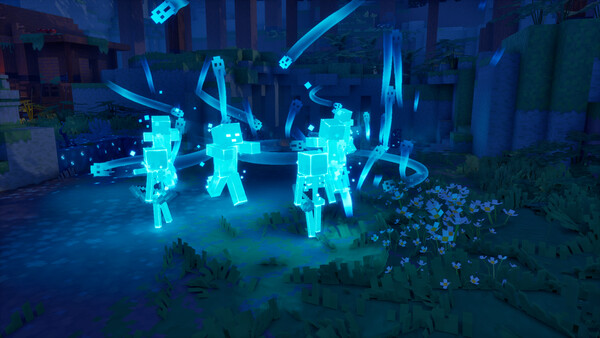
Echo Generation 2 has the odd numbers. OpenCritic lists it at 78 from 15 critics (Strong), but only 33% recommend it. Reviewers see real craft, but the ending, pacing and structure hold the recommendations back.
It came out May 27 on Xbox Series X|S, Xbox One and PC, from Cococucumber, the Canadian studio behind the first Echo Generation. The sequel is actually a prequel, with a bigger cast and new deckbuilding combat, and that change is what reviewers are arguing about.
Andrew Stretch at TechRaptor gave 6.5/10 under the headline "all setup but missed punchline." He liked the anthology-style opening, with three separate beginnings and characters from different worlds, including Sister M, a psychic girl raised in a facility that experiments on children with powers. The worldbuilding had him "infatuated," but the back half rushes into an Act 3 battle gauntlet and doesn't land.
Wasbir Sadat at GamesCreed gave 4.5/5, calling the move from standard RPG rules to deckbuilding a big gamble that mostly pays off. Marco De Prospero at Uagna gave 7.9/10 and called it the breakthrough Cococucumber has been working towards, praising the more mature tone, the science fiction setting and the turn-based deckbuilding combat.
Use a Potion gave 7.5/10: great visuals and soundtrack, charming characters, fun combat, but pacing problems and a harsh difficulty spike at the end. ReGame It gave 7/10, liking the chapter-by-character structure and the cards but criticizing the linear design, slow pacing and uneven story.
Everyone agrees it looks and sounds good and takes an interesting structural risk. They disagree on whether the risk pays off by the end. If you like RPGs that try odd things with cards and chapters, it's worth watching. If you need a story to finish as carefully as it starts, the lower reviews tell you exactly where the problems are.
LumenTale: Memories of Trey review: 80 on OpenCritic
LumenTale is the best-reviewed of the three: 80 on OpenCritic from 25 critics (Strong), with 71% recommending it. It launched May 26 on Switch 2 and PC. Critics are clearly tired of lazy Pokémon comparisons and still can't avoid them entirely.
Rachel Samples at Destructoid gave 8/10, placing it alongside Pokémon, Temtem, Nexomon, Cassette Beasts and Palworld. Trey wakes with amnesia in Talea, a world of Animon you can catch for battle or companionship. The world is as unfamiliar to you as it is to Trey, and she found that shared discovery one of the story's strengths.
Pietro Iacullo at The Games Machine gave 8.5/10, saying LumenTale proves you can love a series without blindly copying it. He singled out combat that blends Pokémon and Final Fantasy and still feels like its own thing.
Allyson Cygan at NintendoWorldReport left her review unscored and in progress, with the sharpest warning of the set: the game has so many construction flaws that she'd have quit if she weren't reviewing it. She also said a sequel from the same developer could become one of her favourite games. She's frustrated with a promising, difficult game, not dismissing it.
PCMGAMES called it one of the nicest surprises in the genre, praising its personality, big world, exploration, challenging combat and original ideas, while flagging menus, unclear mechanics, performance and bugs. NoobFeed gave 70/100 and said the best thing about it is that it isn't a Pokémon copy, even though it borrows plenty.
Critics like LumenTale when it gives creature-collecting its own rhythm: memory fragments, a big world, Animon battles, combat drawn from more than one RPG tradition. They get frustrated when the interface, tutorials, performance or general construction get in the way. An 80 with clear caveats tells you more than a tidy 84 with nothing to say.
Which to play first
- Bluey's Quest for the Gold Pen: the safe family pick, as long as you know it's a gentle adventure for young kids and not a deep collectathon for adults.
- Echo Generation 2: the most interesting argument. Respectable scores, cautious recommendations, and a clear weak point in the back half.
- LumenTale: Memories of Trey: the best overall bet, with the highest score, the most reviews and the warmest praise. The polish and clarity warnings are real.