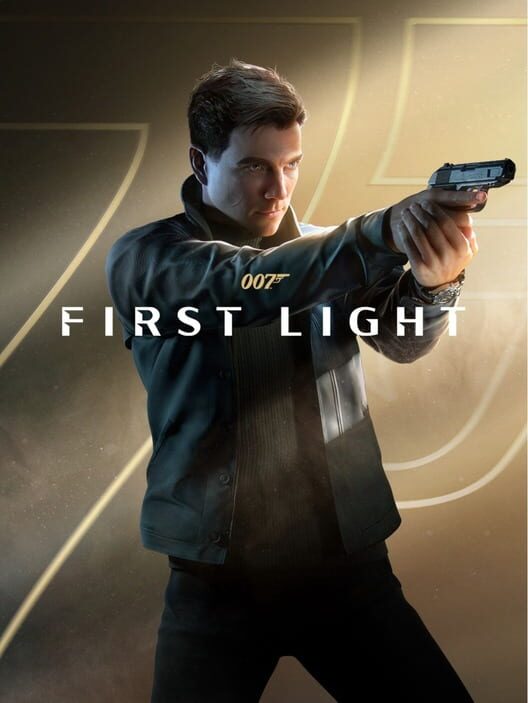
Most licensed games get reviewed with an apology attached. 007 First Light didn't. Metacritic lists 87 from 89 critics. IGN gave it 9/10 and called it "the best Bond game I've ever played," Push Square gave it 10/10, and GamesRadar+ gave 4/5, calling it a "well-oiled spy thriller machine."
Then PC Gamer gave it 65/100: "IO's Bond-iverse story shines, but not enough to compensate for the very familiar game around it." That review raises the real question: did IO Interactive make a great Bond game, or a very polished compromise between Hitman and an older style of blockbuster action-adventure? Reading across the reviews, probably both.
007 First Light review scores
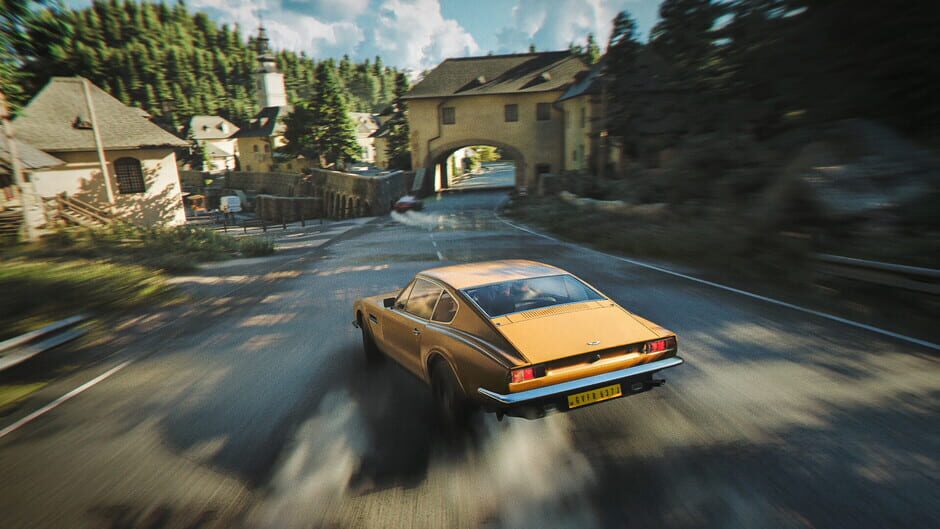
First Light came out May 27, 2026 on PS5, Xbox Series X/S, Switch 2 and PC. IO Interactive built it as an origin story for a young James Bond rather than adapting any one film.
- Push Square10/10
- IGN9/10
- Metacritic87from 89 critics
- GamesRadar+4/5
- PC Gamer65/100
- Eurogamer"less cerebral and replayable" than World of Assassination, but with "excellent fistfights and oodles of charm."
Critics agree the tone works, that IO understands Bond as more than a gun and a suit, and that the game has real charisma. They split on structure. Reviewers who wanted Hitman's clockwork freedom were bothered by the linear spine. Reviewers who wanted a stylish Bond adventure with momentum saw the same limits as discipline.

What critics loved: IO gets Bond
Luke Reilly at IGN is the most enthusiastic. A Bond game needs "style and swagger," he writes, and First Light moves between social stealth, gadgets, infiltration and loud action without turning into Call of Duty in a tuxedo. He calls it "confident and charismatic."
He praises the game for building its own M, Q and Bond instead of borrowing from the films, and for a patient opening covering Bond's first contact with MI6, his double-0 training and his first field mission. IGN compares the pacing to a prestige TV season rather than a two-hour film: 17 chapters, about 18 hours at a normal pace. Its verdict says IO has found "a highly successful home for the more curated action-stealth formula of 2012's Hitman: Absolution." IGN means that as praise; Hitman fans may not read it that way.
Stephen Tailby at Push Square says the shorthand "Uncharted meets Hitman" is "pretty dead on," and he means it as a compliment. He thinks it leans towards Uncharted's cinematic side while using IO's strengths in stealth and social manipulation. This Bond starts impulsive, headstrong and reckless, and the familiar charm and cunning arrive as the story goes on.
Josh West at GamesRadar+ calls it Bond's "best game to date," blending blockbuster spectacle with slower spycraft. It "understands the appeal of spycraft and is able to deliver the fantasy in ways no other game can." That's why the scores are high: reviewers felt games had fumbled this fantasy since GoldenEye.
What critics questioned: the Hitman problem
IO's reputation helps sell First Light and makes it harder to judge. Hitman taught players that a level is a machine you can poke, break, fix and come back to with a worse idea that somehow works. Bond needs pacing, escalation and a camera that knows when to linger on the tuxedo.
Rick Lane at Eurogamer calls it a linear action-adventure that often pretends not to be one, threading social stealth, brawling, shooting and spycraft through disguised corridors. He likes the bluffing mechanic, where Bond talks his way out of suspicion. But it's never a real sandbox. Sometimes you can go left or right, punch or sneak, and in the end the game has somewhere it wants you to go. He prefers the fighting to the sneaking, comparing the messy brawls to Sleeping Dogs more than Arkham, and says First Light is less about ghosting through than getting caught and improvising. Even with the Tactical Simulations mode, these aren't levels you'll replay dozens of ways.
Joshua Wolens at PC Gamer is much less forgiving. He played six hours before hitting anything that felt new. The Bond story is well done, but the game around it is familiar third-person action plus stripped-down Hitman, and the two don't leave room for each other. Leaning towards Hitman, it feels diluted; leaning towards blockbuster action, it feels like old ground. He finds the plot stretched over about 20 hours, the cover system and stacked context actions clumsy in fights, and the investigation areas "semi-skimmed Hitman."
That 65 isn't someone missing the point. It's what you get when a reviewer values systemic play over Bond atmosphere. If you wanted Hitman with a licence to kill, PC Gamer says you'll feel the walls.
Story and style over replayability
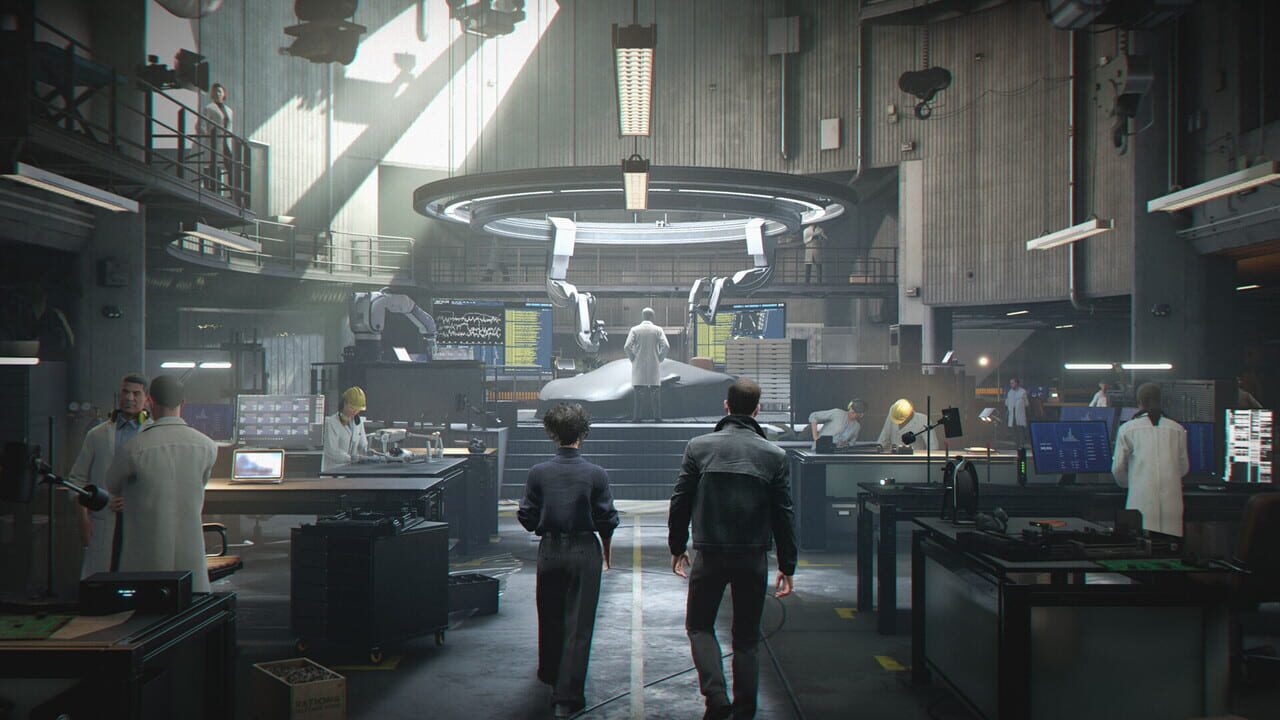
First Light sounds strongest when it's most specifically Bond: charm, banter, social stealth, improvised lies, gadgets, training, and playing a young agent who hasn't yet become the man everyone recognizes. The Bond licence is doing real work here, not just providing a skin.
The concern is replay value. Eurogamer says it lacks Hitman's replayable depth. PC Gamer says its best ideas come too rarely. Even GamesRadar+ notes some set pieces are too linear, melee can be stiff and boss fights are dull.
Most critics think it works; they disagree on what kind of success it is. For IGN and Push Square, it's the Bond game people have waited for. For PC Gamer, it's a good story inside too much familiar design. For Eurogamer, it's charming and well written but less mentally chewy than IO's best. It's an excellent Bond game and a more debatable IO game.
Should you play 007 First Light?
For most Bond fans, critics say yes. If you want a polished spy thriller with real production values, a young Bond growing into the role, and missions that move between stealth, fists, gadgets and spectacle, the high scores make sense.
If you want Hitman-level improvisation, be careful. There's social stealth and some open pockets, but it's authored and guided, not a toybox. Sometimes that helps the story; sometimes it flattens the systems. Play it when you want a Bond story, not another Hitman. That's a distinction worth noting in your own review if you track games in Perthro: the stars say whether you liked it, a couple of sentences say why.
After years of Bond games remembered through nostalgia or disappointment, critics are debating First Light's craft, structure and pacing, and what Bond should be in games. Even the sceptical reviews treat it as a real swing, not a licensing obligation.