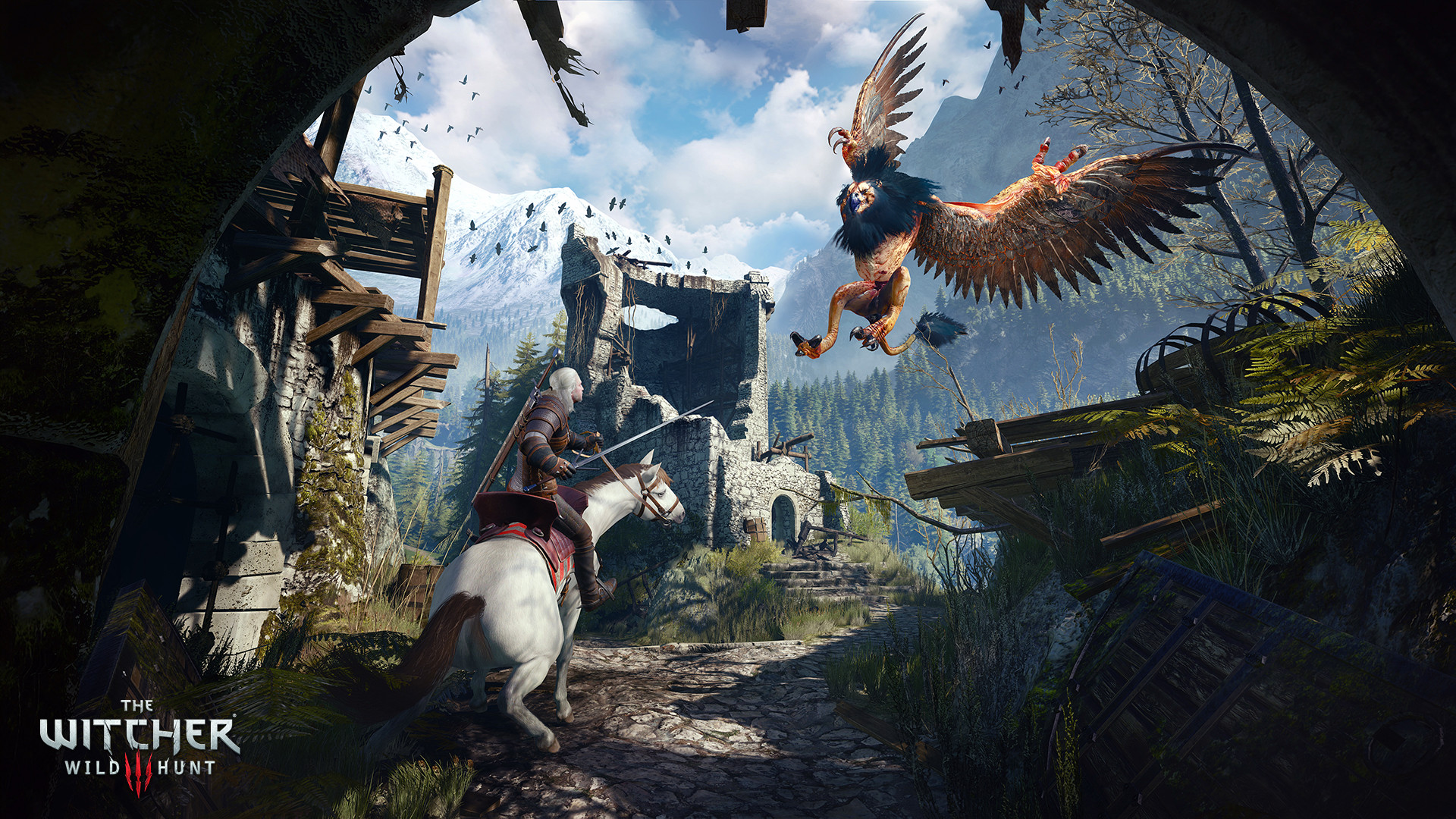
Are video games too long? For a lot of big releases, the numbers say yes, at least for most of the people who buy them. Steam's own achievement stats show that only 22% of players have finished The Witcher 3, and about 35% have completed Cyberpunk 2077's main story. Short games get finished far more often.
But length on its own isn't the real problem. Plenty of long games are loved precisely because they're long. The problem is length that doesn't earn its place: padding, busywork and repeated activities that stretch a 20-hour game into 60. This piece looks at what completion rates actually show, why big games got so long, what developers are saying, and how to deal with it as a player.
What completion rates say about game length
Steam publishes global achievement percentages for every game that uses achievements. When a game has an achievement for finishing the story, that percentage is a rough completion rate. Here's what it looked like for some well-known games at the time of writing:
| Game | Achievement | Share of Steam players |
|---|---|---|
| A Short Hike | Hawk Peak (reach the summit) | 66.1% |
| What Remains of Edith Finch | The End of Everything (finish all stories) | 56.8% |
| Portal | Heartbreaker (complete Portal) | 52.1% |
| Hades | Is There No Escape? (first escape) | 46.9% |
| Cyberpunk 2077 | The World (complete the main storyline) | 35.3% |
| Hades | The Family Secret (complete the main quest) | 23.5% |
| The Witcher 3: Wild Hunt | Passed the Trial (finish the game) | 22.0% |
| Hollow Knight | Completion (100% and finish) | 19.1% |
| Red Dead Redemption 2 | Best in the West (100% completion) | 2.8% |
These numbers need a caveat. They count everyone who owns the game on Steam, including people who picked it up in a bundle or a sale and barely started. So nobody's 100%, not even a game you can finish in an afternoon. Portal, which most people can beat in a few hours, still sits at about half.
The pattern is clear anyway. The short games at the top of the table get finished by more than half their players. The long open-world games get finished by a quarter to a third. And full completion of a huge game like Red Dead Redemption 2 is a rounding error. Hades is a useful middle case: nearly half of players escape once, but only about a quarter stick around for the full story, which takes many more runs.
Why big games got so long
A few forces pushed average game length up over the last 15 years.
- Open worlds. A big map needs something in it, and the easiest things to fill a map with are repeatable: outposts, collectibles, camps, races, map icons.
- Price and "hours per dollar." At $70, many buyers want a game to feel like it lasts. Length is an easy number to advertise and an easy thing to complain about when it's missing.
- Engagement. Games with live stores, battle passes or post-launch content benefit when players stick around, so the design encourages staying.
- Production economics. Once a studio has built a world, systems and assets, adding more quests on top of them is cheaper than building a second game.
Ubisoft's Assassin's Creed series is the clearest example of the swing. Valhalla was widely criticised for its size, and the next game, Mirage, was deliberately smaller. Lead producer Fabian Salomon said in 2023 that playtests were averaging around 20 to 23 hours, up to 25 to 30 for completionists, a fraction of Valhalla's length. Creative director Stéphane Boudon told GamesRadar that fans wanted a story "in a more intimate scale."
Padding vs. value for money
This is where the argument usually gets stuck. One side says long games are better value: more hours for the same price. The other says those extra hours are mostly filler, and that nobody should need 60 hours to tell a 20-hour story.
Both sides have a point, and the Witcher 3 shows why. It's one of the most loved RPGs ever made, and fewer than a quarter of Steam owners finished it. Players don't generally call its side quests padding. Many say those are the best part. Length that's full of distinct, well-written content is value. Length that repeats the same encounter 40 times is padding.
A simple test: if a section of a game were cut, would you miss it? Unique quests, new places and new mechanics usually pass. Clearing the fifth identical camp, backtracking across the map to hand in an item, or grinding levels to meet a story gate usually doesn't.
"Hours per dollar" is also a shaky measure. A tight 10-hour game you finish and remember is often better value than a 70-hour game you drop at hour 15.
Developers are pushing back on length
The industry side of this is about cost as much as design. Bigger games take longer to make, and six- to eight-year development cycles are expensive and risky. Shawn Layden, who used to run PlayStation's Worldwide Studios, made that case in a 2026 interview with PlayStation Inside, arguing for smaller teams and shorter production cycles:
"We need to come back to basics and stop obsessing over game length." (Shawn Layden, to PlayStation Inside)
The argument is that shorter games aren't just nicer for players. They're easier to finish making, and a studio that ships more often has more chances to find a hit.
The rise of 5 to 15 hour games
The awards suggest shorter games are doing fine. It Takes Two, a co-op game most pairs finish in a couple of weekends, won Game of the Year at The Game Awards 2021. Astro Bot, a compact platformer, won in 2024. Split Fiction followed the It Takes Two model in 2025.
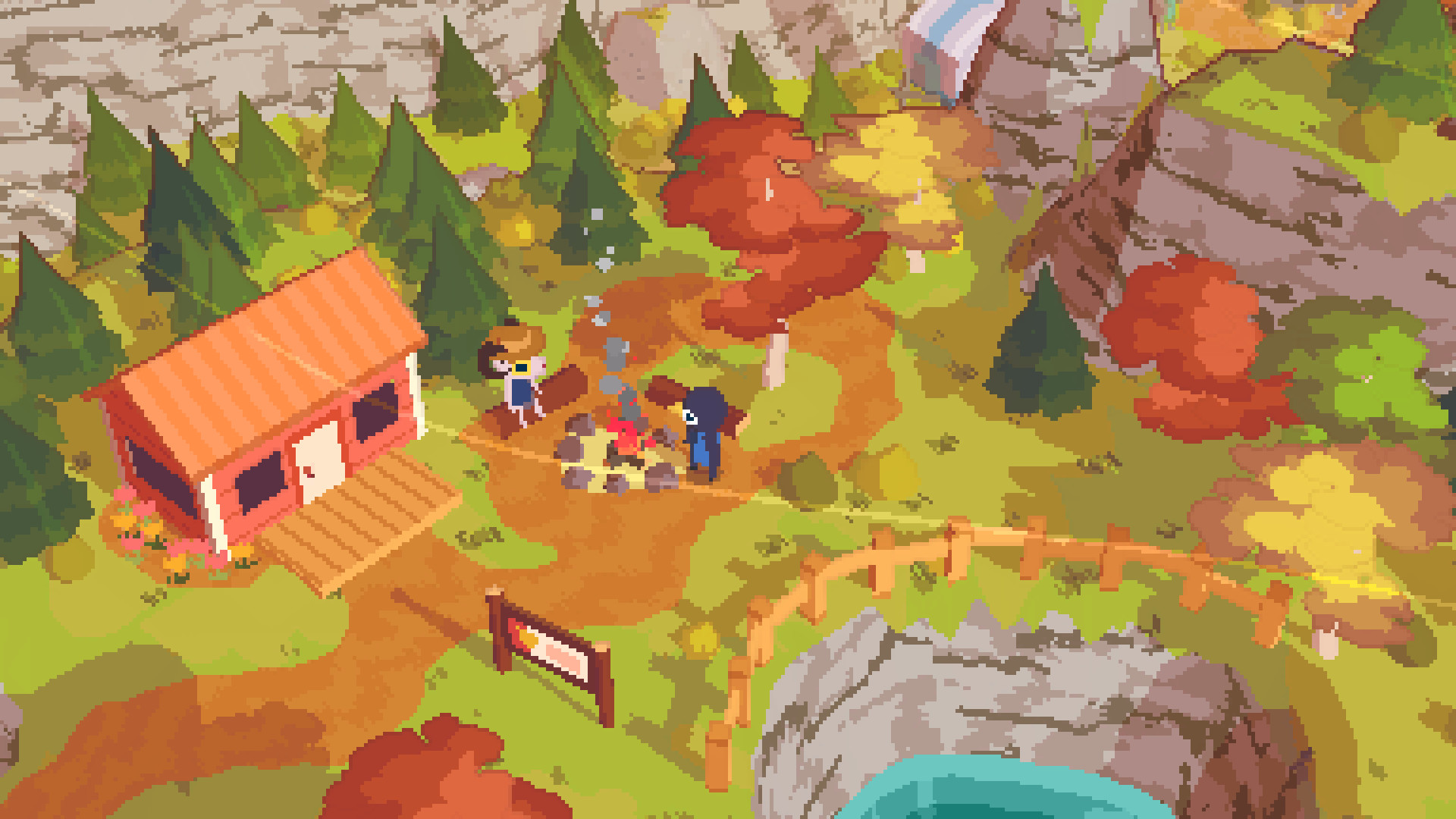
On the indie side, short games have always been normal. A Short Hike, What Remains of Edith Finch and Unpacking are all games people finish in one or two sittings, and they tend to be the ones people recommend to friends because the ask is small. That shows up in the completion table above.
So, are video games too long? Practical takeaways
Some are, and some aren't. Games where length is the point, like a sprawling RPG or an endless sandbox, aren't really meant to be finished in the usual sense. We wrote about that with No Man's Sky at ten. The games that are genuinely too long are the ones that stretch a good core with repeated busywork.
As a player, you have more control than it feels like:
- Look at main-story length, not completionist length. Most big games have a critical path far shorter than their full checklist.
- Skip side content without guilt. Do the side quests you enjoy and leave the rest. The game won't notice.
- Mix long and short. Follow a 60-hour RPG with something you can finish in a weekend. It resets your attention.
- Decide your stopping point in advance. "Credits, then I'm done" is a perfectly good plan for an open-world game.
- Note where you stopped. If you put a long game down, write a line about where and why so coming back is easy. A game journal like Perthro keeps that note next to your rating, and it counts even if you never see the credits.
If the real issue is how much time you have, our guides on finding time to play games when life is busy and playing your backlog without burning out go further. Games will keep getting longer and shorter in cycles. What you finish is up to you.