The difficulty menu is one of the first things many games show you, and one of the hardest to answer. You haven't played anything yet. You don't know how the combat feels or how forgiving the checkpoints are. And yet the game wants you to decide how hard it should be.
The short answer: if you're not sure, pick Normal. It's the setting the game was designed and balanced around, and the one most players choose. Drop lower without guilt if you mainly want the story or rarely play the genre, and go higher if you're experienced and want to be pushed. Then change it whenever the game stops being fun, after checking whether your game locks the setting or ties trophies to it. Here's what each setting usually means and how to know when to switch.
What difficulty settings usually change
Difficulty settings aren't standard. Names vary from game to game, and so do the effects. This table covers the common patterns.
| Typical names | What usually changes | Who it's for |
|---|---|---|
| Story, Narrative, Very Light, Assisted | Enemies deal far less damage, timing windows widen, resources are generous | Players who mainly want the story, have little time or need accessibility help |
| Easy, Light | Enemies are weaker and slower to kill you | Newcomers to the genre, or anyone who wants a gentle challenge |
| Normal, Balanced, Standard | The developer's intended experience | The default for a first playthrough |
| Hard, Hardcore, No Mercy | Tougher, smarter enemies; fewer resources | Genre veterans and second playthroughs |
| Hardest (Grounded, Professional, Legendary) | Tight timing, scarce resources, often a stripped-back HUD; often unlocked only after finishing once | Mastery and trophy hunters |
| Custom or assist options | One thing at a time: damage taken, game speed, aim help, puzzle skips | Players with specific needs or frustrations |
Most games describe each option in a line or two. Read it, because "Hard" in one game can mean more enemy health, while in another it means fewer save points or less ammo.
How many players choose easy modes
More than you might think. When EA shared difficulty data for Star Wars Jedi: Survivor in 2023, 14.5% of players had chosen Story Mode, the lowest setting, while only 4% picked the hardest. Official statistics for XCOM 2 showed 32% of finished campaigns were on its easiest setting, Rookie, and 55% on Normal (Veteran). Only 3% were finished on Legend.
One developer of a licensed racing game reported in 2018 that between 70% and 80% of players only ever played on the easiest setting. Their conclusion was that difficulty often reflects how much time people have, not just their skill.
So if you pick an easier setting, you're in large company. And if you're on Normal, you're with the majority.
The best difficulty options let you tune one thing at a time
Some of the most thoughtful difficulty systems don't have levels at all.
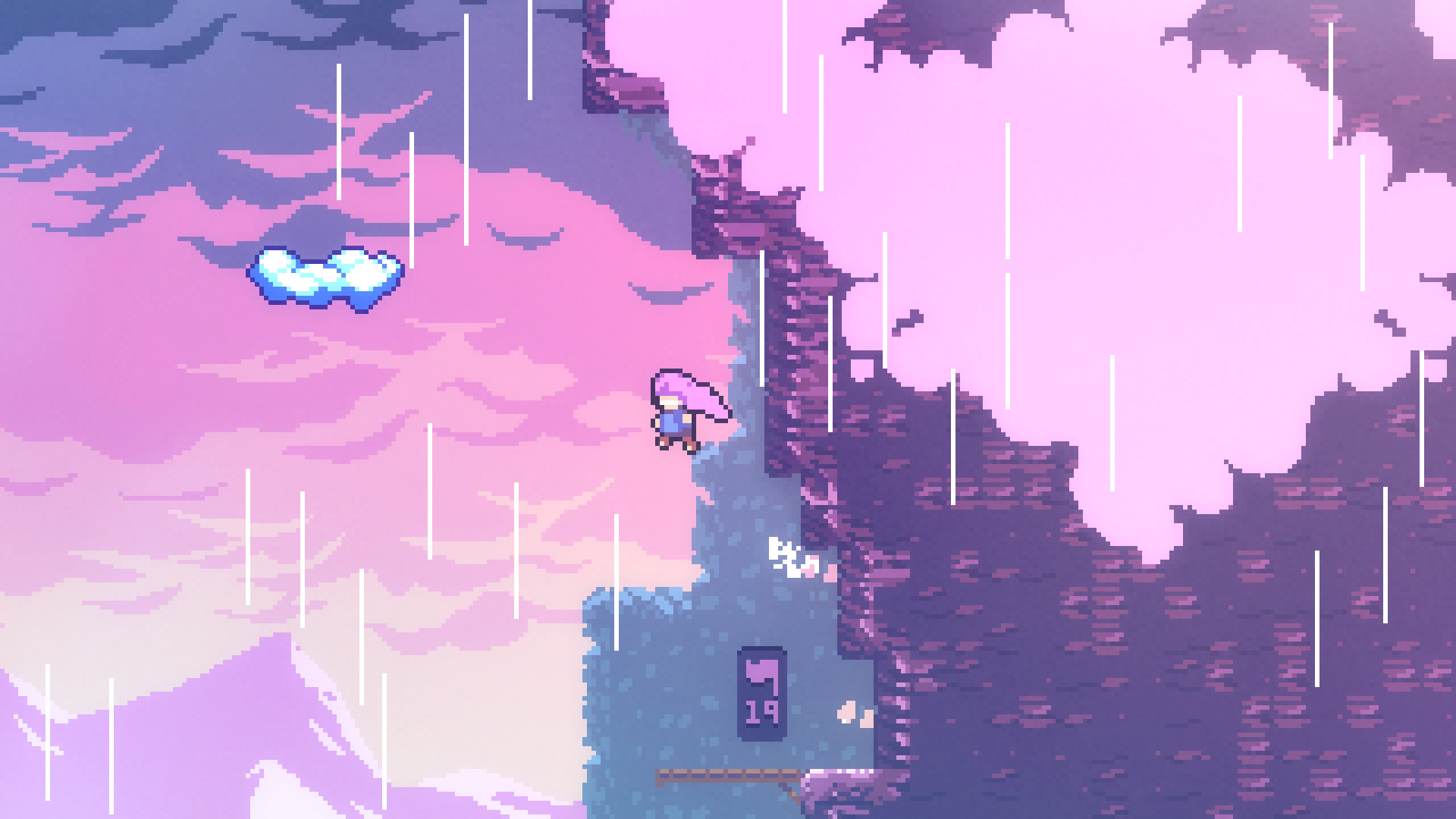
Celeste (2018), a notoriously hard platformer, has an Assist Mode that lets you slow the game to as low as 50% speed, turn on infinite stamina, add extra air dashes or become invincible. The game says plainly that it "is intended to be a challenging and rewarding experience," but that "if the default game proves inaccessible to you, we hope that you can still find that experience with Assist Mode." Creator Maddy Thorson has said the goal was to let players "find the challenge level that's right for them."
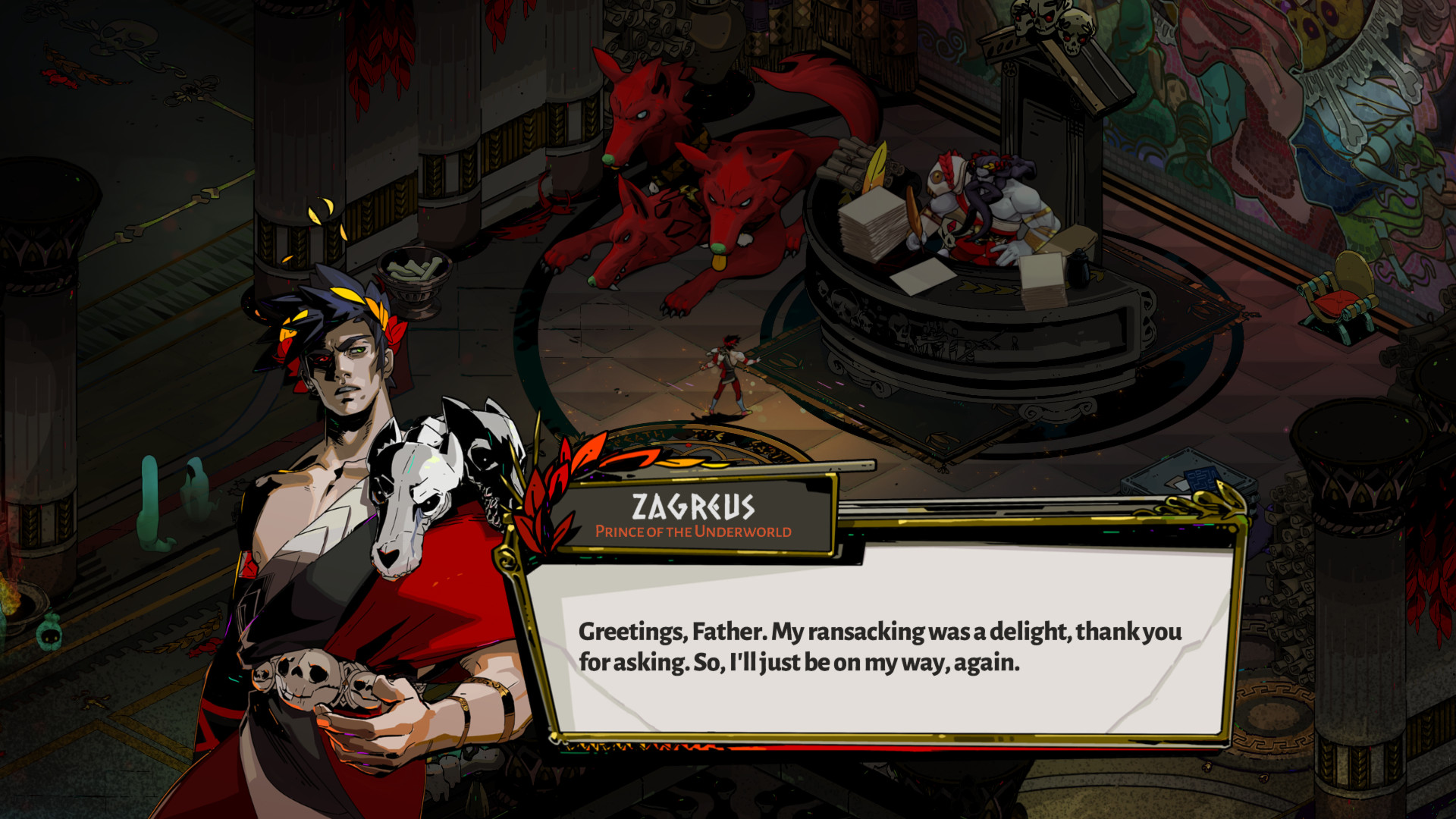
Hades has a God Mode that grants 20% damage resistance, rising by 2% every time you die, up to a cap of 80%. Supergiant creative director Greg Kasavin described the thinking simply: "What if we just make you a little bit tougher?" Hades II uses the same system, and you can toggle it at any point.
The Last of Us Part II has more than 60 accessibility settings, and its custom difficulty lets you set enemies, allies, stealth and resources separately. Forza Motorsport lets you turn individual driving assists on and off, from braking to steering, and set AI opponents from 1 to 8.
If a game offers individual settings like these, use them. Turning off one specific frustration is often better than dropping the whole game to Easy.
Games without difficulty settings
Some games deliberately have no difficulty options. FromSoftware's games, including Sekiro and Elden Ring, are the best-known examples. Director Hidetaka Miyazaki has argued that lowering the difficulty "would strip the game of that joy," which "would break the game itself." Others argue that difficulty and accessibility are "two different conversations," and that options help disabled players without taking anything away from anyone.
Whichever side you're on, if a game has no setting, your options are its own systems: summons, co-op help, easier builds or simply grinding a bit before a boss.
When you can't freely change difficulty
Before you start, check whether your choice is locked in. Some games limit changes:
- Resident Evil 4 (2023) doesn't let you change difficulty once you've started, except dropping from Standard to Assisted from the Game Over screen, and you can't go back up.
- God of War Ragnarök lets you change difficulty at any time, except that if you drop down from its hardest setting, you can't return to it.
- Halo Infinite lets you change by reloading from the menu, but your campaign achievements are tied to the difficulty you play on.
Trophy and achievement hunters should check too. Resident Evil 4's hardest trophy requires Professional difficulty, which unlocks only after one completion. Clair Obscur: Expedition 33, on the other hand, ties no trophies to difficulty at all.
When to change your difficulty
It's time to go down a level when:
- You're dreading playing. If you're putting the game off because of one section, that's the sign.
- You've failed the same part many times and stopped learning. Dying and improving is part of the fun. Dying the same way for the tenth time isn't.
- You care about the story more than the fights. Nobody remembers how hard the boss was. They remember the ending.
And it's time to go up when fights stop feeling like fights: you're not paying attention because nothing threatens you.
There's no wrong answer
The only real mistake is letting a difficulty setting stop you playing a game you'd otherwise enjoy. Finishing on Easy is still finishing. For more help getting unstuck, see our guides on using a walkthrough without spoiling the game and, for strategy games, tactics RPGs for beginners.
If you track your games in Perthro, noting which difficulty you played on is a nice detail to have later, especially if you ever come back for a harder second run.
Sources
- GGRecon: Star Wars Jedi: Survivor difficulty pick rates
- PCGamesN: XCOM 2 difficulty statistics
- Game Developer: Do difficulty levels represent how players experience our games?
- Celeste Wiki: Assist Mode
- Vice: Celeste's Assist Mode
- Inverse: Hades God Mode interview with Greg Kasavin
- Dexerto: Hades II God Mode explained
- PlayStation: The Last of Us Part II accessibility
- GGRecon: Forza Motorsport difficulty and assists
- VGC: Lowering Elden Ring's difficulty would break the game, says Miyazaki
- The Daily Cardinal: Sekiro and the accessibility debate
- GameLuster: Resident Evil 4 remake difficulty guide
- MP1st: God of War Ragnarök difficulty settings
- PCGamesN: Halo Infinite difficulty and achievements