Tactics RPGs have a reputation for being hard, slow and full of spreadsheets. Some are. But the best tactics games for beginners are closer to a good puzzle: a small map, a handful of units, and one clear question each turn about where everyone should stand.
This tactics RPG guide for beginners covers what the genre actually is, the handful of habits that win most battles, how to use difficulty settings and Casual mode without guilt, and six games that make a good first pick. If you've bounced off a strategy RPG before, the problem was probably the game you started with, not you.
What is a tactics RPG?
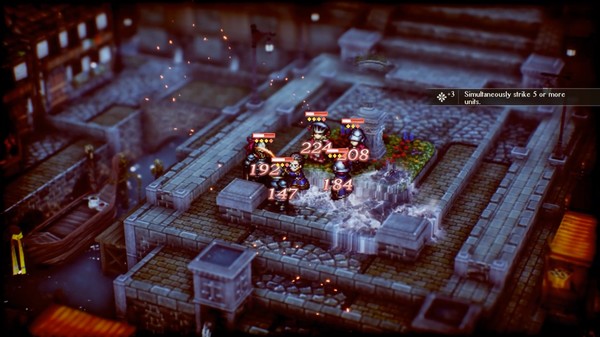
A tactics RPG (also called a strategy RPG or SRPG) is a role-playing game where battles play out on a map divided into a grid. You and the enemy take turns. On your turn, you move each unit a set number of squares and choose an action: attack, heal, use an item, or wait. Then the enemy does the same.
The RPG half is everything around those battles. Units level up, learn skills, change classes and pick up better weapons. Most tactics games also have a story told between fights, and many let you build relationships between characters that pay off in combat.
A few terms come up in almost every game:
- Grid. The squares (or hexes) that decide how far units move and what they can reach.
- Turns. Usually a player phase and an enemy phase. Some games mix units from both sides into a single turn order based on speed.
- Units. Your characters. Each has stats, a class and a movement range.
- Permadeath. In some games, including classic Fire Emblem, a unit who falls in battle is gone for the rest of the campaign. Most modern games let you turn this off.
Core habits that win most battles
Tactics games throw a lot of systems at you, but a few habits carry across nearly all of them. Learn these and most early maps stop feeling like guesswork.
Read the terrain before you move
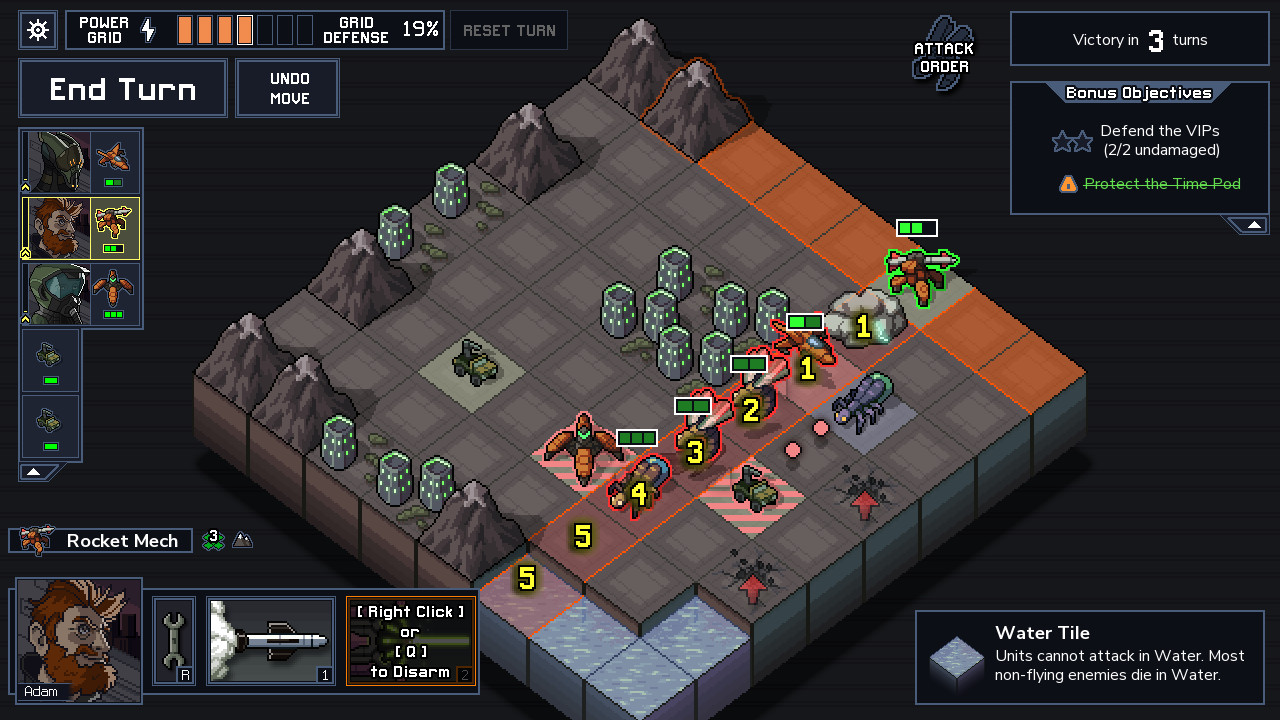
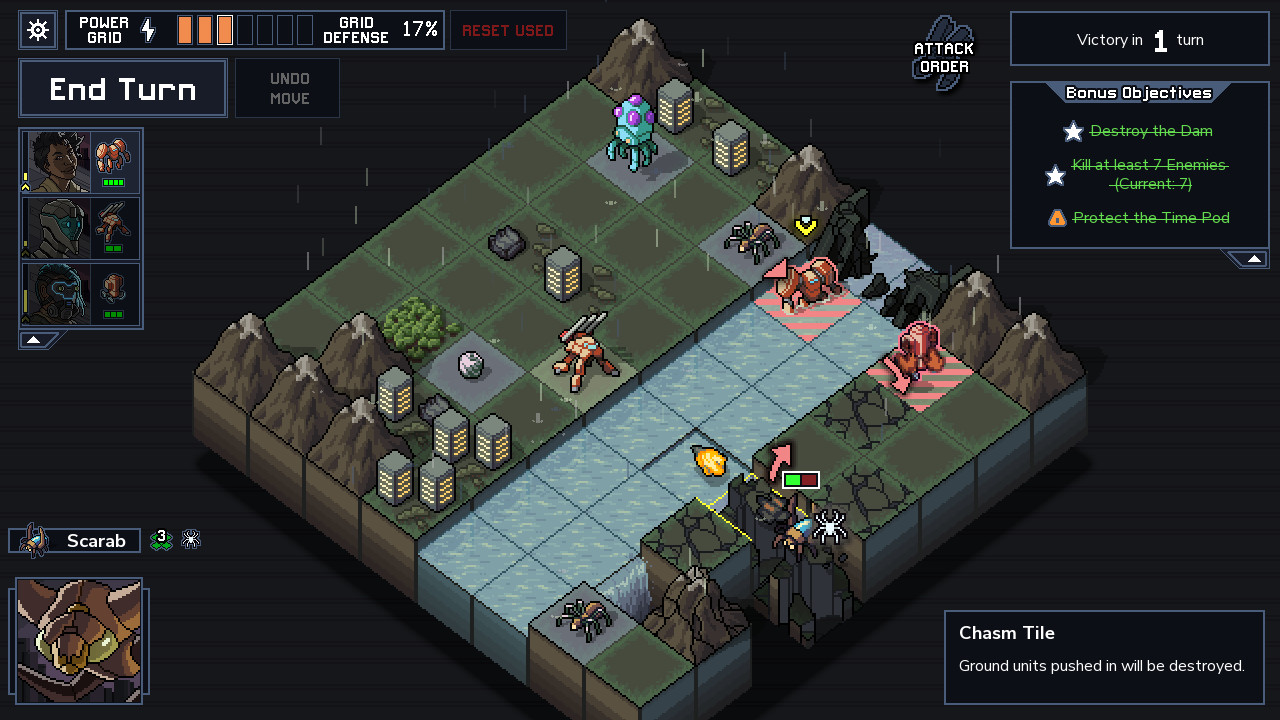
Terrain is free power. Forests, hills and walls often give defence or evasion bonuses. High ground can extend a bow's range. Water, chasms and narrow bridges limit where enemies can go. Before your first move on a new map, hover over a few tiles and see what they do. Holding a chokepoint with one sturdy unit is one of the oldest tricks in the genre, and it still works.
Learn the counters
Most tactics RPGs have some version of rock, paper, scissors. Fire Emblem's weapon triangle is the famous one: swords beat axes, axes beat lances, lances beat swords. Other games use elements, armour types or unit classes, like archers dealing extra damage to flying units. You don't need to memorise every matchup. Just check the combat forecast before you attack. If the numbers look bad, try a different unit.
Pull enemies to you
Beginners tend to march the whole army forward at once. The enemy AI usually has a range it reacts to, and walking into the middle of that range means fighting everyone at the same time. Instead, move one durable unit to the edge of the enemy's reach, let a few of them come to you, and deal with them on your terms. Many games let you display every enemy's threat range at the press of a button. Use it constantly.
Don't overextend
The unit that races ahead to finish off a weak enemy is the unit that dies on the enemy phase. Before you end your turn, look at each unit and ask what can reach it. Keep healers behind the front line, keep fragile units out of range, and don't leave anyone alone unless they can survive being surrounded.
Use save and rewind features
Modern tactics games are much more forgiving than they used to be. Fire Emblem: Three Houses has Divine Pulse, which rewinds battle turns a limited number of times. Into the Breach lets you undo moves and reset a whole turn once per battle. Many games let you save mid-battle. These features exist to be used. Rewinding a bad turn teaches you more than restarting a 40-minute map from scratch.
Difficulty settings and Casual mode
Picking a difficulty is where a lot of first-timers go wrong, usually by choosing "Normal" because it sounds like the intended way to play.
In many tactics games, Normal assumes you already know the genre. If you're new, start on the easiest setting that still asks you to think. You'll learn the systems without replaying the same map five times, and you can raise the difficulty later in most games.
Permadeath is a separate choice. Fire Emblem and Advance Wars both use the name Casual mode: in Fire Emblem, fallen units come back after the battle instead of dying for good, while Advance Wars 1+2: Re-Boot Camp uses Casual as its easier difficulty and lets you switch to it at any point in either campaign. Mario + Rabbids Kingdom Battle offers an easy mode before any encounter that restores health and boosts it by 50% for that fight. Final Fantasy Tactics: The Ivalice Chronicles has three difficulties, with Squire aimed at newcomers.
Best tactics games for beginners
These are all available now, and each one is a good first pick for a different reason. Lengths are rough estimates for the main campaign and vary a lot with difficulty and side content.
| Game | Platforms | Why it's a good first pick | Rough length |
|---|---|---|---|
| Into the Breach | PC, Mac, Switch | Tiny 8x8 maps and enemies that show exactly what they'll do next. Pure tactics with no grinding. | 1-2 hours per run |
| Mario + Rabbids Kingdom Battle | Switch | Cover, movement and team combos explained gently, with an easy mode before any fight. | About 20 hours |
| Advance Wars 1+2: Re-Boot Camp | Switch | Clear unit counters, short missions and a Casual difficulty you can switch to any time. | 35-40 hours for both games |
| Fire Emblem: Three Houses | Switch | Casual mode plus Divine Pulse rewinds make this modern favourite very forgiving. | 40-80 hours per route |
| Triangle Strategy | Switch, PC | Story-heavy, with height and positioning that matter. Easy is a fine first run, and New Game+ lets you see the other endings later. | About 35 hours |
| Final Fantasy Tactics: The Ivalice Chronicles | PS5, PS4, Switch, Switch 2, Xbox Series X/S, PC | The genre classic, remastered in 2025 with a beginner-friendly Squire difficulty. | About 40 hours |
If you want the shortest path to knowing whether you like the genre, start with Into the Breach. A full run takes an evening, every mission fits on one screen, and it teaches the most important skill in the genre: reading what the enemy is about to do and stopping it.
If you want a long story with characters you'll care about, Fire Emblem: Three Houses is a common recommendation. It's a big commitment, so our piece on whether video games are too long is worth a read before you sign up for 60 hours.
What's coming next: Fire Emblem: Fortune's Weave
The next big entry point arrives soon. Fire Emblem: Fortune's Weave, from Nintendo and Intelligent Systems, launches on September 17 for Nintendo Switch 2. It's set in the same world as Three Houses and follows four heroes competing in a months-long tournament called the Heroic Games, mixing classic grid battles with exploration of a hub city between fights.
If you're thinking about picking it up, playing a few hours of any game on the list above first will make its systems feel familiar rather than overwhelming.
Tactics RPG beginner questions
Are tactics games hard?
They can be, but the difficulty is usually adjustable. On the easiest settings, most modern tactics games are about planning, not punishment. The hard part for beginners is patience: a single battle can take anywhere from 10 minutes to an hour.
Should I look up guides?
For unit builds and class choices, a quick look can save you hours. For story and map layouts, try going in blind. Our guide on using a walkthrough without spoilers covers how to get help without ruining the surprises.
What if I like it?
Then there's a long list waiting. Recent releases like Brigandine Abyss and Star Wars Zero Company show how wide the genre has become. Keep track of what you've played and how it went in a journal like Perthro, and a short note after each game ("loved the maps, hated the grind") makes picking the next one much easier.