
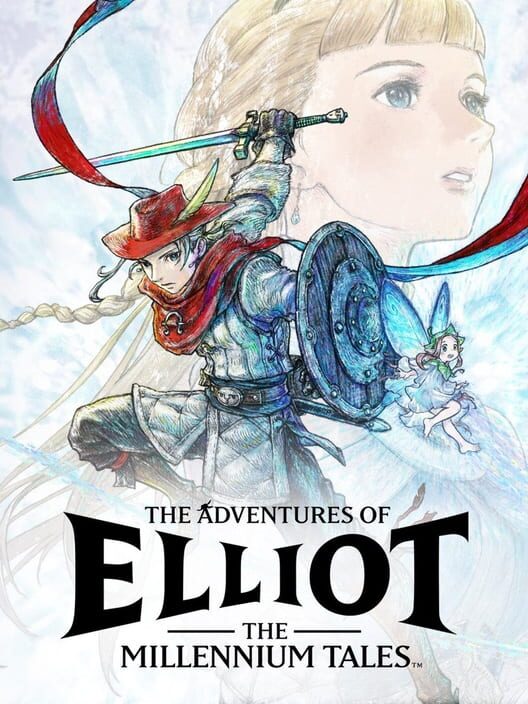
The useful thing about The Adventures of Elliot: The Millennium Tales is that critics are not arguing about whether it works. Most of them think it does. The argument is smaller and more interesting: whether Square Enix and Claytechworks have made a confident new action RPG, or a very handsome comfort game that borrows so much from classic Zelda that it struggles to leave its own shape behind.
A clean score rarely tells you what you need to know. OpenCritic has The Adventures of Elliot at an 82 top critic average, with 87 percent of critics recommending it, across 39 listed reviews at the time of writing. Metacritic shows a generally favorable 82 for the PlayStation 5 version, based on 36 critic reviews. Those numbers say “strong.” The reviews themselves say something more specific: this is a polished HD-2D action adventure with generous exploration, clever time-period structure, and enough familiar puzzle-and-dungeon rhythm to make some writers happy and others restless.
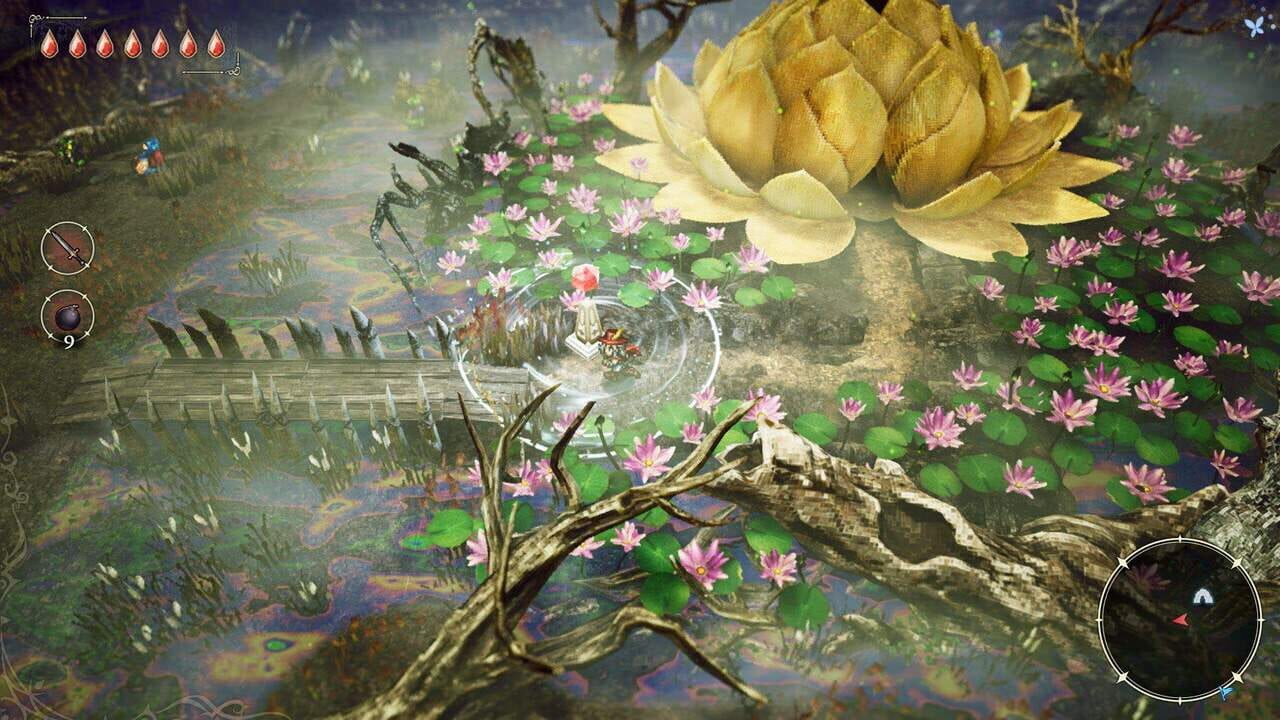
The basics first. The Adventures of Elliot: The Millennium Tales is developed by Claytechworks with Square Enix, from the Team Asano orbit, and published by Square Enix. It releases June 18, 2026 for Nintendo Switch 2, PC, Xbox Series X/S, and PlayStation 5. It is not another turn-based Octopath-style RPG. It moves Team Asano’s HD-2D language into real-time action, closer in spirit to A Link to the Past, Secret of Mana, and the older top-down adventure tradition that used to make dungeons feel like little locked boxes.
The Adventures of Elliot review scores: strong, but not spotless
The top line looks healthy. OpenCritic lists an 82 average and an 87 percent recommendation rate. Metacritic’s PS5 page sits at 82, with 89 percent of indexed reviews marked positive and the rest mixed. There are no negative critic reviews shown there right now. That is not a masterpiece coronation, but it is not faint praise either. It places Elliot in the comfortable high tier of 2026 releases, with enough friction in the lower reviews to make the score feel earned rather than automatic.
The highest praise comes from critics who connected with its old-fashioned rhythm. TheSixthAxis gave it 9/10 and wrote that it was one of those games where the reviewer delayed finishing because they were still chasing the Platinum trophy. Their summary is the clearest version of the positive case: “Look past the odd pacing foible and this is an excellent action adventure to sink into.” That phrase matters because it quietly admits the shape of the whole debate. Even the warmest reviews are not pretending Elliot is frictionless. They are saying the friction fades once the exploration loop gets its hooks in.
Digital Chumps, at 8.3/10, also frames the game through classic Zelda. Its review calls Elliot “the closest thing to a modern take on classic Zelda games I’ve played during the past two generations of consoles,” praising the bite-sized dungeons, puzzle solving, and 2.5D pixel art. That is a strong compliment, but it is also a warning label. If you want a game that pretends it has never seen a green tunic, this is probably not the one.
The Outerhaven lands in a similar place with a 4/5. Andrew Agress writes that the game “promises an adventure and delivers just that,” with a large world, multiple eras, puzzles, dungeons, and a wide spread of weapons and abilities. The review is warmer on the journey than on the story, calling the main setup fairly uncomplicated, but it clearly likes the breadth of what you are doing minute to minute.
Then there is the dissenting edge. Console Creatures gave it 70 on Metacritic and called it “a lesser version of a game you’ve played before.” That is the cleanest negative pull quote in the current review spread, and it should not be brushed aside. It gets at the main risk: Elliot may be beautiful, generous, and readable, but for some players that will not be enough if the game keeps reminding them of stronger ancestors.
Why critics keep bringing up Zelda and Secret of Mana
The comparison is not lazy shorthand. Reviewers are making it because the game invites it. Elliot is a top-down action RPG about exploring a kingdom, solving environmental puzzles, finding new tools, opening new routes, and pushing through dungeons. The HD-2D presentation gives it the Square Enix house glow, but the underlying verb set is older: swing, block, throw, bomb, warp, return later.
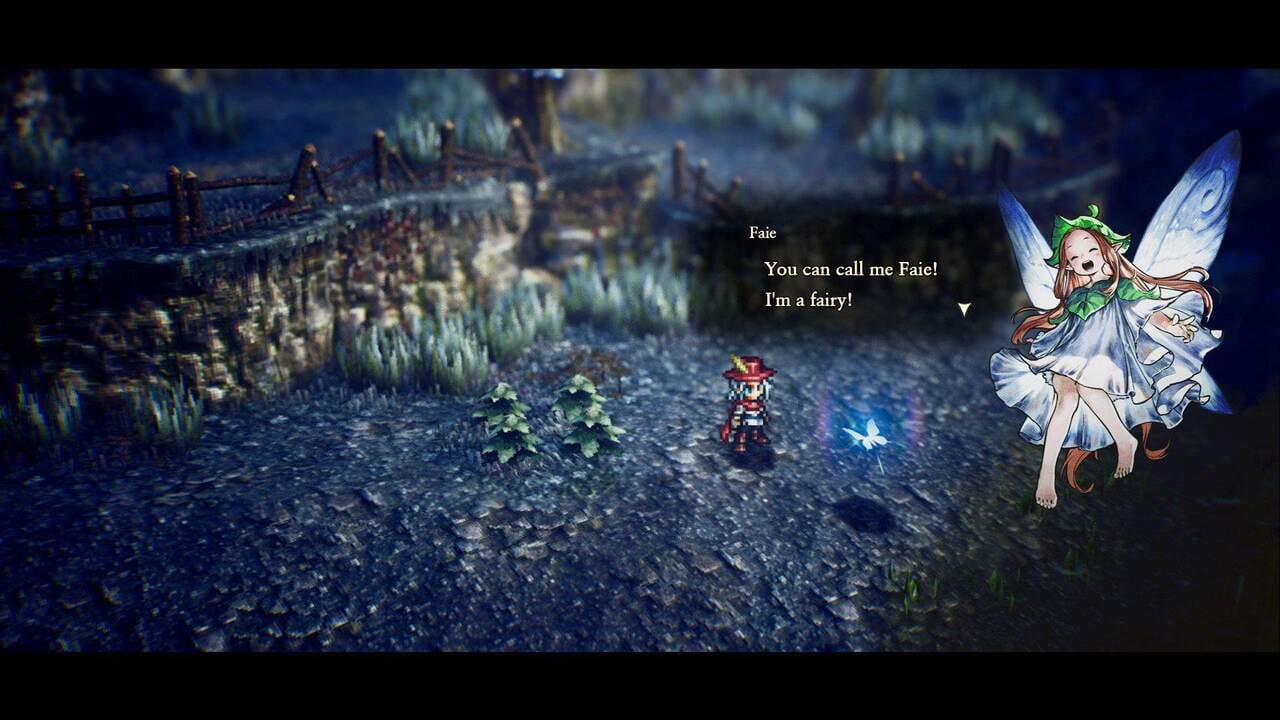
What seems to work best is the physical pleasure of those verbs. Critics keep coming back to the combat and traversal tools. The Outerhaven notes seven weapon types, including swords, bows, boomerangs, bombs, spears, hammers, and chains and sickles. The review likes that the weapons play differently and that Faie, Elliot’s fairy companion, can be controlled with the right stick for combat and traversal abilities. Shacknews is also positive on Faie’s usefulness in battle, pointing to skills like Ignite, Warp, and Copy as ways she changes fights and movement.
Still, the Zelda comparison cuts both ways. Several critics praise Elliot for being a strong “Zelda-like” while also noting that the game does not always escape the comparison. Gameblog’s OpenCritic excerpt says it “doesn’t reinvent the genre” and may not become a benchmark because of inevitable Zelda comparisons and “too generic dungeons.” Gamersky’s excerpt says it captures polished, straightforward fun, but that no single part stands above the competition or leaves a lasting impression. That is the softer version of the Console Creatures complaint.
In other words: if you miss top-down Zelda, Elliot may feel like a small relief. If you are tired of games describing themselves by proximity to Nintendo’s old design language, this may feel too safe.
The time-travel structure is the real swing
The Millennium Tales part of the title is not decoration. Critics describe a world spread across four eras, with dungeons, towns, side quests, and environmental routes changing depending on the age you visit. This is the idea that gives Elliot its best chance of being more than a tribute act.
Shacknews spends a lot of time on this. Its review describes exploring the same overworld layouts across different time periods, with enough changes to stay interesting without becoming disorienting. It also notes that dungeons can only be finished in one age, while other eras may hold treasures or dead ends. That is a smart premise. It turns time travel into a navigational question rather than a cutscene device.
The Outerhaven seems to agree. It praises the way different eras build stories about civilizations rising and falling, and it found some of the side quests more compelling than the main storyline. That is a useful distinction. The main quest appears to be familiar kingdom-saving fantasy, but the better writing may live around the edges, in small historical consequences and optional character stories.
This is where the game sounds most like something Perthro readers might want to remember properly, not just finish. A review score says whether critics liked it. A journal entry later will probably say whether a particular era, dungeon, or side quest stuck with you. Those are different records.

Where the criticism gathers
The criticism is consistent enough to be useful. The story is called solid, charming, cookie-cutter, or underused depending on the outlet. The navigation map comes up as a problem in Metacritic’s Critical Hits excerpt, which otherwise praises the game’s narrative payoff. Shacknews is sharper on systems friction, especially Magicite management. Its review says Magicite can feel “needlessly complex,” with stat gems, tradeoffs, values, and weapon-specific management turning into something like a math quiz. That is a very particular complaint, and it matters because action adventure games live or die by flow.
Faie is another split point. Mechanically, reviewers like her. As a talkative companion, she may grate. Shacknews says the option to reduce her chatter barely helped. The Outerhaven makes the obvious Zelda-adjacent comparison without treating it as fatal. Anyone who has survived decades of fairy companions knows this is part of the bargain, but that does not make it harmless. A good companion can make a world feel less lonely. A noisy one can make silence feel like a feature you wish the game had shipped with.
Repetition also shows up. Some reviews mention reused enemies, repeated areas across time periods, or dungeons that become too generic. That seems to be the main reason the score settles in the low 80s instead of pushing higher. The game has enough craft to impress most critics, but not quite enough surprise to flatten the doubts.
The consensus: a strong comfort adventure with a familiar outline
The fairest read is this: The Adventures of Elliot is being received as a strong, polished action RPG for players who want dungeons, exploration, HD-2D atmosphere, and classic adventure structure. It is not being received as a total reinvention of that structure. The positive reviews value craft, generosity, pacing, and the pleasure of exploring across eras. The mixed reviews question identity, narrative strength, interface friction, and whether the game’s inspirations become a ceiling.
That makes the 82 feel right. Not low. Not inflated. Just about right.
If you are coming from Octopath Traveler or Bravely Default because you love Team Asano’s look and mood, the shift into real-time combat is the thing to watch. If you are coming from Zelda, the question is whether you want another game speaking that language with a Square Enix accent. If you are coming from Secret of Mana, the appeal may be simpler: bright adventure, readable combat, tools to collect, and a world that keeps opening when you think you have seen the edge of it.
The nicest thing I can say about this review spread is that it makes the game sound human-sized. Not a forever game. Not a discourse event. A sturdy June adventure that critics enjoyed, argued with, and occasionally got properly absorbed by. Those are often the games that benefit most from being written down. Not because they need to be ranked, but because a month later you may want to remember which dungeon clicked, which era surprised you, and whether Faie made you smile or reach for the settings menu.
For now, The Adventures of Elliot: The Millennium Tales looks like a safe recommendation with one condition: know how much classic Zelda comfort you actually want. If the answer is “a lot,” the critics are mostly waving you in. If the answer is “only if it becomes something new,” read the lower-scored reviews first.