
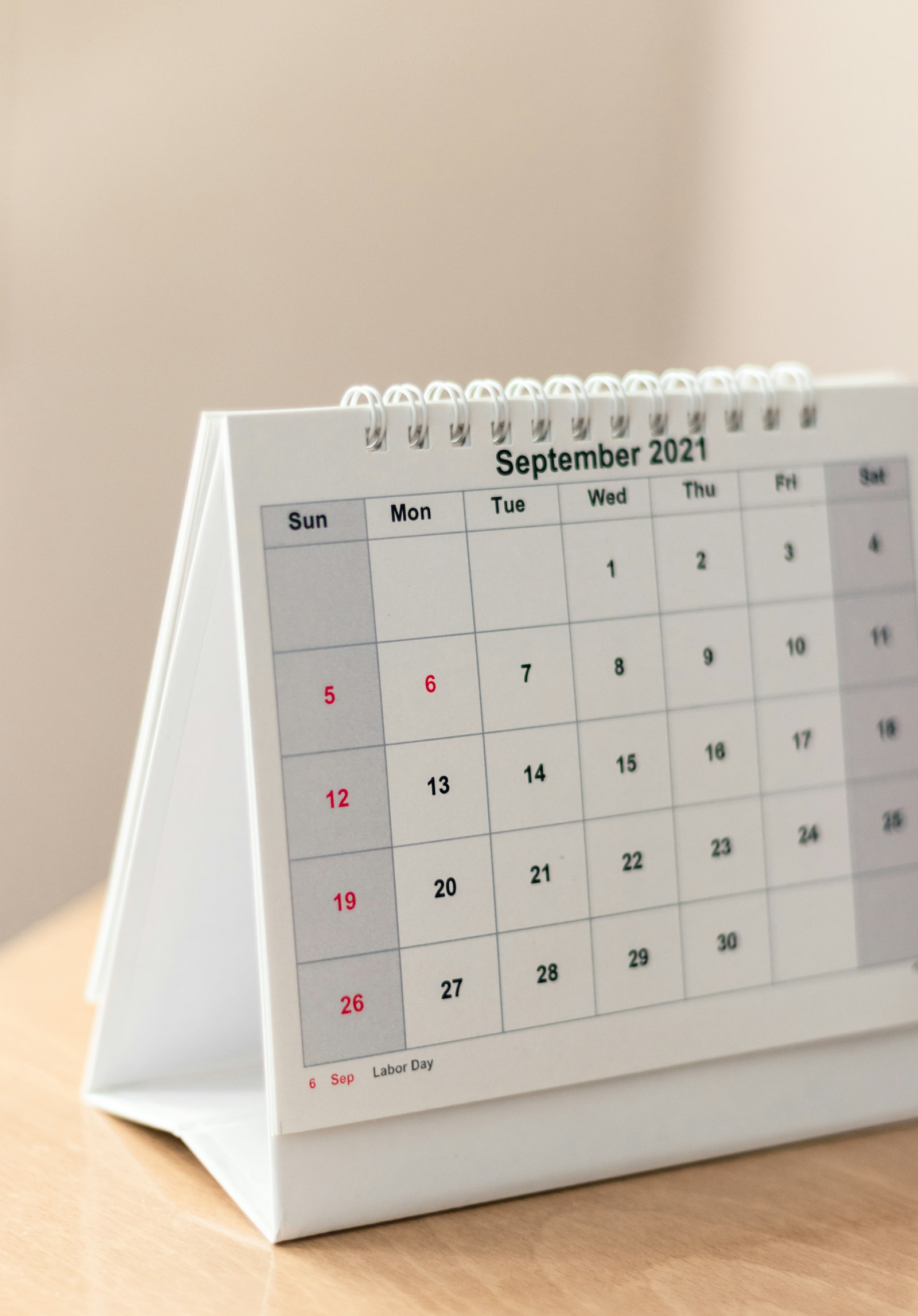
August starts on a Saturday this year, which is a slightly awkward day for a release calendar. The storefronts are already warming up, the videos are already ranking the month, and most of the actual launches are still sitting a few days away. It gives the whole thing that familiar feeling: the games are coming, the tabs are open, and your attention has already been spent before you have played anything.
The last few days of coverage have been very August-shaped. IGN, Force Gaming, SpawnPoiint, gameranx, Best Indie Games, ACG, and a pile of smaller channels all pushed "biggest games of August" or "best new games to play" videos. Nux Game Guides published a long August 2026 release list on July 28, calling out a calendar that starts calmly and gets much busier around August 13, August 20, and August 27. Their list mixes the predictable heavy hitters with odd little things: Beast of Reincarnation, Big Walk, Fields of Mistria 1.0, Marvel Tōkon: Fighting Souls, The Sinking City 2, Mortal Shell II, The Witch's Bakery, and a whole run of PC indies that may or may not get buried by the next trailer cycle.
That is the problem with a good month. It does not feel like scarcity. It feels like weather. You look up and the whole sky has changed.
Start with the shape of your month
The worst way to approach a packed release month is to ask, "What should I play?" That sounds practical, but it is too broad. The answer becomes whatever has the loudest trailer, the most urgent review embargo, or the friend who caught you at the right moment.
A better first question is duller and more honest: "What kind of month am I actually in?"
Some months have room for a huge RPG. Some do not. Some months can handle a tense horror game at night. Some months are already stressful enough without adding a damp corridor and a flashlight with three batteries. There are weeks where a short, strange indie game is exactly the right thing, not because it is smaller or less important, but because it respects the size of the space you have.
This is where release coverage can mislead you a bit. Videos and calendars are built to compare games against each other. Your actual life is not. Madden NFL 27 and a cozy management game are not really competing in the same place unless you pretend every game sits in one giant queue. A survival horror sequel, a tactics game, a farming sim leaving early access, and a multiplayer oddity like Big Walk ask for different moods. They also ask for different kinds of attention.
Before you wishlist everything, decide what you want August to feel like. One big game and a few small experiments? Mostly multiplayer with friends? A catch-up month where you play one new thing and spend the rest of your time cleaning up unfinished business? None of these are more serious than the others. They are just different ways to stay sane.
Make a shortlist, not a sentence
A backlog becomes unpleasant when it turns into a verdict. "I need to play this" is a weird thing to say about a hobby, but most of us have said some version of it. The release calendar trains you to speak that way. Every date arrives with pressure attached. Every delay feels like a favor. Every surprise launch feels like another small accusation.
So make the list smaller at the front door.
For a crowded month, I like a three-bucket shortlist. Not a spreadsheet, not a life system, just enough friction to stop the pile from becoming mush.
- One game you expect to actually play this month. The game with a real slot in your evenings, not just your imagination.
- Two games you want to remember later. These are the interesting maybes. You are allowed to care without committing.
- Everything else stays outside for now. If it is still calling to you in September, it can come in then.
That last part matters. Most release-month anxiety comes from treating curiosity as a promise. You see a trailer for The Witch's Bakery or Grave Seasons and immediately feel like you have taken on a tiny debt. You have not. Interest is not obligation. A wishlist should be a memory aid, not a contract.
This is one reason I like keeping a dedicated game journal instead of relying only on storefront wishlists. Storefronts are excellent at commerce. They are less good at remembering why you cared. Perthro is built around that quieter job: tracking what you are playing, what you have played, what you plan to play, and what you have shelved. The backlog and wishlist can be reordered, and the "next up" view is there for the rare moment when you want your past self to help your present self choose.
That is not magic. It is just a better shape for memory.
Notice the difference between hype and fit
A game can be exciting and still be wrong for right now. That sounds obvious until a release week arrives and everyone starts speaking in absolutes.
August looks especially prone to that because the calendar has so many different tempos. Some games are built for launch-week conversation. Fighting games, sports games, online survival games, and anything with co-op energy all reward being there early. Other games might be better two weeks later, once the patches land and the first wave of guides stops shouting. A single-player horror game is not going to expire because you waited until a rainy Friday. A farming sim hitting 1.0 might be better when you have a quiet weekend. A dense RPG might deserve a month where your brain is not already full.
The trick is to separate "this is important" from "this fits me now."
Gaming culture is bad at that distinction. It treats the new release as the centre of the room until the next new release walks in. That is useful if your job is to cover games, but it is a strange way to live with them. Most of the games that end up mattering to us do not matter because we played them at the correct public moment. They matter because we met them at the right personal moment.
There is a game I still associate with a week of being sick on the couch. Another with a train ride. Another with the apartment I lived in before I knew how temporary that apartment was. None of those associations were optimized. They just stuck.
A release calendar can tell you when a game arrives. It cannot tell you when you are ready for it.
Keep notes before the reviews flatten everything
Reviews are useful. Scores can be useful too, in their limited way. But there is a small window before consensus forms where your own curiosity is still clean. You saw a screenshot. You liked the premise. A friend mentioned it with exactly the right kind of enthusiasm. Something about the trailer looked handmade, or ridiculous, or too specific to ignore.
Write that down before the average score arrives and teaches you how to feel.
This does not need to be a serious note. "Witch bakery game, looks gentle but maybe secretly sad" is enough. "Big Walk, maybe a friend game" is enough. "Mortal Shell II, only if I am in a punishment mood" is definitely enough. The point is not to review a game you have not played. The point is to preserve the first spark of interest so you can return to it later without digging through old tabs and half-remembered thumbnails.
Perthro lets you rate games and write reviews of any length once you have played them, but the more useful habit often starts earlier. A planned-to-play list with a tiny note can save a game from disappearing. A shelved status can also be merciful. Sometimes the healthiest thing you can do with a game is admit that it is not for this season.
I wish more gaming tools made room for that kind of unfinished feeling. We are very good at logging completion. We are less good at logging drift, hesitation, second chances, and the small private reasons a game keeps hovering near the edge of our attention.
Let August be uneven
A good release month does not need to become a perfect playing month. You might start the game you were sure about and bounce off after two nights. You might ignore the obvious pick and fall into a tiny PC game that barely made the list. You might play nothing new at all because an old comfort game gets its hooks back into you.
That is fine. More than fine, probably.
The strange thing about tracking games is that it can either make the hobby feel warmer or colder depending on how you use it. If the list becomes a scoreboard, it will nag you. If it becomes a journal, it can soften the edges. It can show you patterns without scolding you for having them. It can remind you that you always think you want a giant RPG in August, then always end up playing two short games and something with fishing in it.
So, for this month, do the gentle version. Pick one game you genuinely expect to play. Save a couple you want to remember. Leave the rest outside until they earn their way back in. The August calendar will keep moving whether you keep up or not.
You are allowed to play at human speed.