Metacritic has Crimson Desert's PC version at 77 from 114 critics, which reads like a respectable big-budget middle. The spread underneath runs from a 100 at Eurogamer Germany to a 50 at Edge. PC Gamer gave it 80, IGN 6/10, and Eurogamer 3/5, with much of the Eurogamer review asking how a game this huge can feel so thin in the hand.
Critics mostly agree that Pearl Abyss built something enormous, technically impressive and sometimes thrilling. They also agree the story, pacing, friction and sheer pile of systems keep getting in the way. They saw the same overstuffed game and value different parts of it.
Crimson Desert review scores
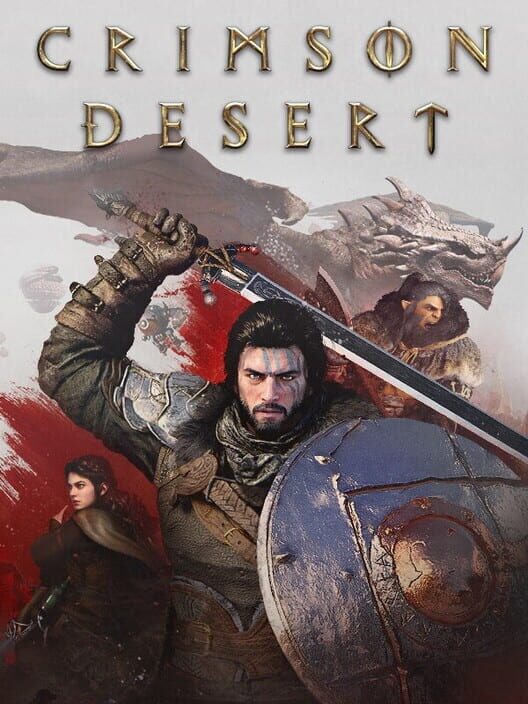
Crimson Desert launched March 19, 2026 on PC, PS5 and Xbox Series X, developed and published by Pearl Abyss. IGN's review compares its opening hours to The Witcher 3, Red Dead Redemption 2, Tears of the Kingdom, Skyrim and Grand Theft Auto 5. When a review needs half a shelf of comparisons to describe a game, the question becomes whether the game knows what to leave out.
Metacritic: 77 from 114 critics, 73% positive, 26% mixed, 1% negative. Most critics aren't dismissing it; they're wrestling with it.
- Eurogamer Germany, 100: a "monumental masterpiece," despite bugs, clunky menus and awkward controls.
- Wccftech, 90: the high score felt warranted after finishing the story.
- Oyungezer, 85: crams everything in, but worth it if you want to explore a huge map.
- PC Gamer, 80
- Adrenaline, 80: weak story, but a vast world with many interlocking mechanics.
- IGN, 6/10
- Eurogamer, 3/5
- Edge, 50: needs a stronger sense of purpose to make you push through its hardest stretches.
The high scores are about the scale; the low ones are about how the game is put together.
IGN's review: impressive and exhausting
IGN gives the sharpest mainstream warning. It calls Crimson Desert "an extremely ambitious open-world adventure" that is "incredibly cool and gobsmackingly infuriating in almost equal measure." It doesn't sound bored; it sounds worn out.
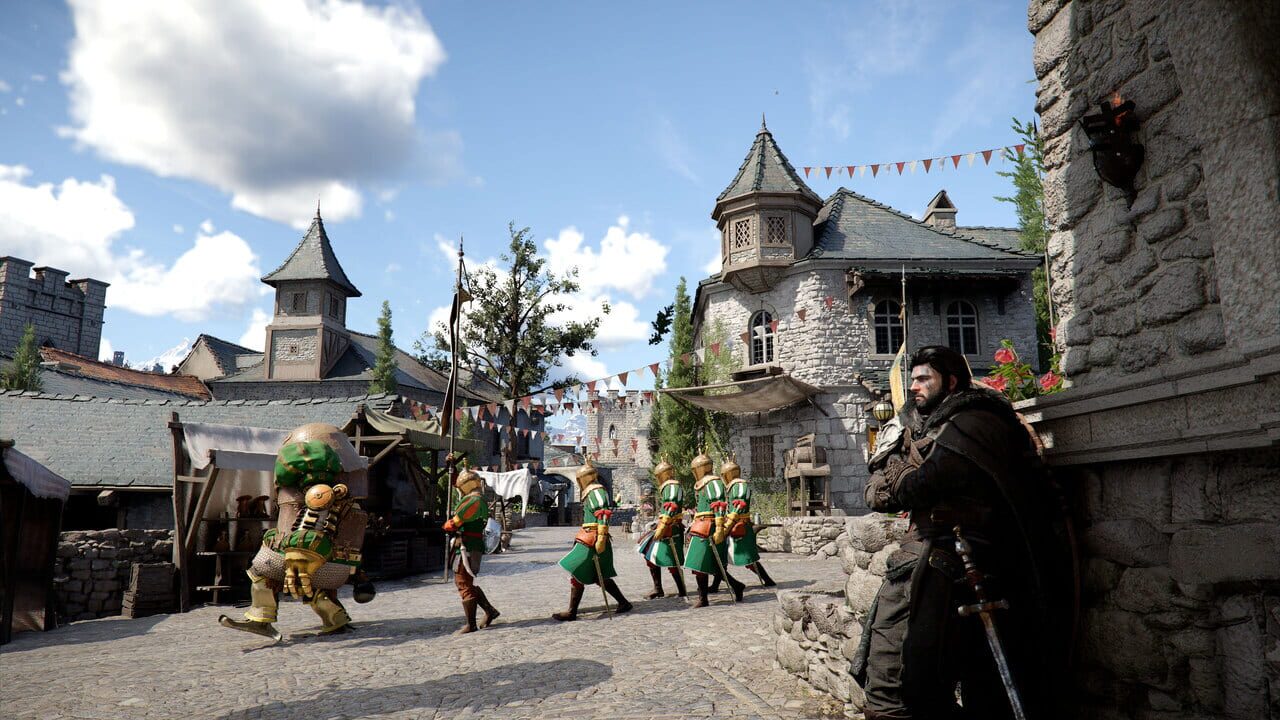
It praises a gorgeous world full of odd activities, from arm wrestling and fishing to settlement management and hunting. Wandering off the path turns up systems that make the world feel alive: followers who travel to build something, work during the day and come home to sleep, or a pickpocket bounty that plays out across several towns.
Those moments have to fight through a lot of mud. IGN calls the story "laughably bad," the characters forgettable, the puzzles unintuitive and the combat encounters too long. It also hit serious bugs during review, including a late progression block that would have meant reloading a save from seven hours earlier if the reviewer hadn't borrowed a coworker's file. Pearl Abyss had patched some issues by the time IGN updated its text, adding storage and more fast-travel points, but IGN still sees a game too big for its rough edges. There may be a hundred hours of world to poke at, but you have to tolerate a lot before it pays you back.
PC Gamer's review: "for the sickos"
PC Gamer gave 80 without pretending the problems are small. Its verdict, "vast and obtuse in a way that is going to frustrate some and exhilarate others," is probably the best one-line buying guide.
It calls Crimson Desert the "Yes, and" of video games, stuffed with nearly every mechanic imaginable. The MMO roots are obvious: obtuse systems, broad build variety, mediocre quests and habits that make sense after years of Black Desert. PC Gamer still finds the sprawl fascinating. The reviewer spent 75 hours swinging between fascination and irritation and still felt they'd barely started.
It's a different tolerance level from IGN's. PC Gamer is bothered by the weak story and odd pacing, but the size and density become part of the appeal, and it says, affectionately, that the game is "for the sickos." Some players like being dropped into a huge, under-explained box of mechanics and don't need elegance.
PC Gamer is also more positive on performance. It notes texture pop-in and plasticky character models, but calls frame-rate stability one of Pearl Abyss's biggest achievements given how much is on screen. A messy design can still be an impressive piece of engineering.
Eurogamer's review: big but bland
Eurogamer's 3/5 complains less about ambition than about personality. A vast world and an even bigger set of MMO-style activities come with glittering fidelity, it says, but little character, texture or charm.
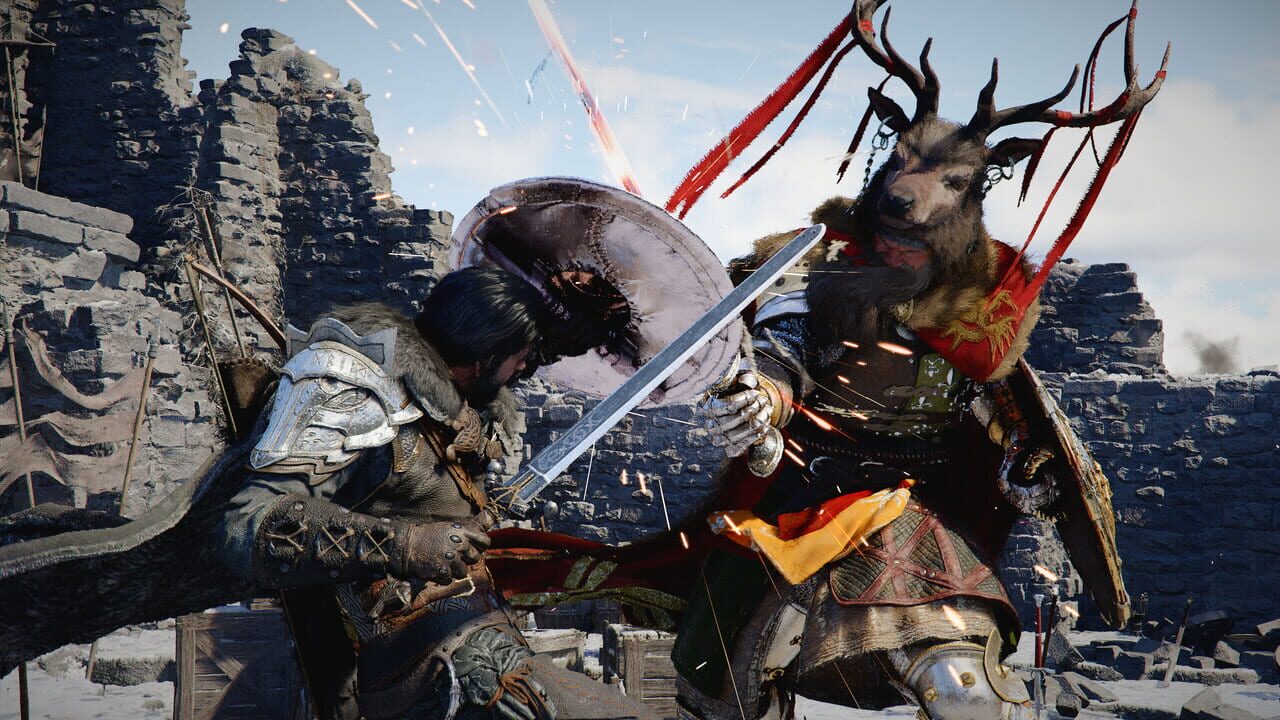
It isn't saying the combat is bad. It calls the fights "terrific fun" despite camera and lock-on problems, praising heavy strikes, martial-arts kicks, shield bashes and stylish finishers. The first major region can be gorgeous: rivers, deer, ducks, cliffs, flowers and villagers going about their day.
The problem is that the beauty never becomes an identity. Eurogamer says Kliff and the Greymanes never convince as people, despite the swearing and blockbuster posturing. It compares the game unfavourably with The Witcher, whose worlds have texture you can almost taste, and describes Crimson Desert as a banquet where nearly every dish tastes faintly of cardboard. A big world isn't automatically memorable; it needs something that sticks once the quest marker is gone.
Where critics agree and split
The consensus is closer than the scores suggest. Critics agree Crimson Desert is enormous, visually impressive, system-heavy and uneven. The combat can be exciting, the story is weak, and the MMO roots show in both the rich systems and the flat quests. Pearl Abyss tried something unusually large.
They split on whether that's enough. IGN says not often enough. PC Gamer says yes if you like huge, stubborn games and don't mind the rough parts. Eurogamer says mechanics and spectacle can't make up for a world without flavour. Metacritic's range shows the same thing: some reward the audacity, others punish the lack of focus.
Should you play Crimson Desert?
IGN's 6 and PC Gamer's 80 describe two different tolerances for friction. If a bad story doesn't bother you when the world lets you wander, read PC Gamer. If long fights and obtuse systems drive you up the wall, read IGN.
The right player will forgive a lot. The wrong player will bounce off after ten hours and wonder why anyone put up with it. Nobody disputes that Pearl Abyss swung big; they disagree about how much mess a big swing is allowed to leave behind.