The words get used loosely, including by the companies selling the games, so it helps to have a plain definition of each.
A remaster is the original game, cleaned up. It runs on the same underlying code with higher resolution, a better frame rate, and sometimes improved textures and lighting. A remake is the game built again from scratch: new engine, new art, usually new controls, with the story and structure kept mostly or partly intact. A reboot is a fresh start for a series. It keeps the name and the broad idea and throws out the old continuity. A port is the same game moved to a different platform with as few changes as possible.
That's the short answer. The rest of this guide covers the gray areas, since about half of recent releases sit in one, and what the label should mean for your wallet.
Remake vs remaster: what actually changes?
| Port | Remaster | Remake | Reboot | |
|---|---|---|---|---|
| Game engine | Same | Same, sometimes with a new graphics layer | New | New |
| Art and models | Same | Same, upscaled or touched up | Rebuilt | New |
| Controls and gameplay | Same | Same, with small conveniences | Modernized, sometimes redesigned | New |
| Story | Same | Same | Same or adapted | New |
| Typical price | Low | Low to mid | Mid to full | Full |
| Recent example | Metal Gear Solid: Master Collection | The Last of Us Part II Remastered | Resident Evil 4 (2023) | Tomb Raider (2013) |
The cleanest test is to ask what was thrown away. A remaster throws away nothing; it's the old game with a better picture. A remake throws away the old code and assets and keeps the design. A reboot throws away the old story and often the design too.
Wikipedia's entry on remakes uses Zelda to draw the same line. The Wind Waker HD on Wii U is a remaster, because it keeps the original look at a higher fidelity. Ocarina of Time 3D on the 3DS counts as a remake, because the character models and textures were made new.
What is a remaster?
A remaster takes the existing game and makes it presentable on new hardware. The Last of Us Part II Remastered is a textbook case. It arrived on PS5 on January 19, 2024, less than four years after the PS4 original, with visual improvements, faster loading, controller features and some extras, including a roguelike mode called No Return. The game underneath is the same. Sony priced it accordingly: people who owned the PS4 version could upgrade for $10.
Remasters are usually cheap and low-risk, and they're often the only practical way to play an older game on a current console. Their weakness is that they keep the original's flaws. If the camera was awkward in 2006, it's awkward in the remaster.
Collections such as Metal Gear Solid: Master Collection sit a step below this. They're mostly ports: the old versions running at higher resolutions, bundled with extras, with little done to the games themselves.
What is a remake?
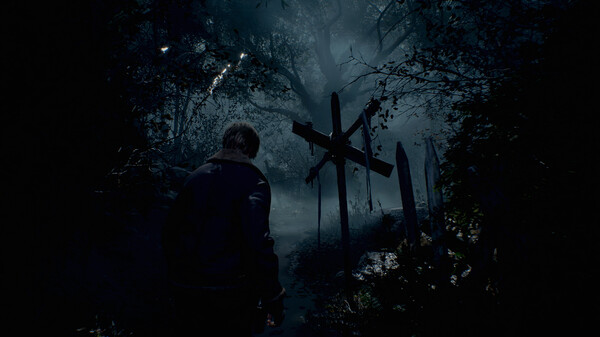
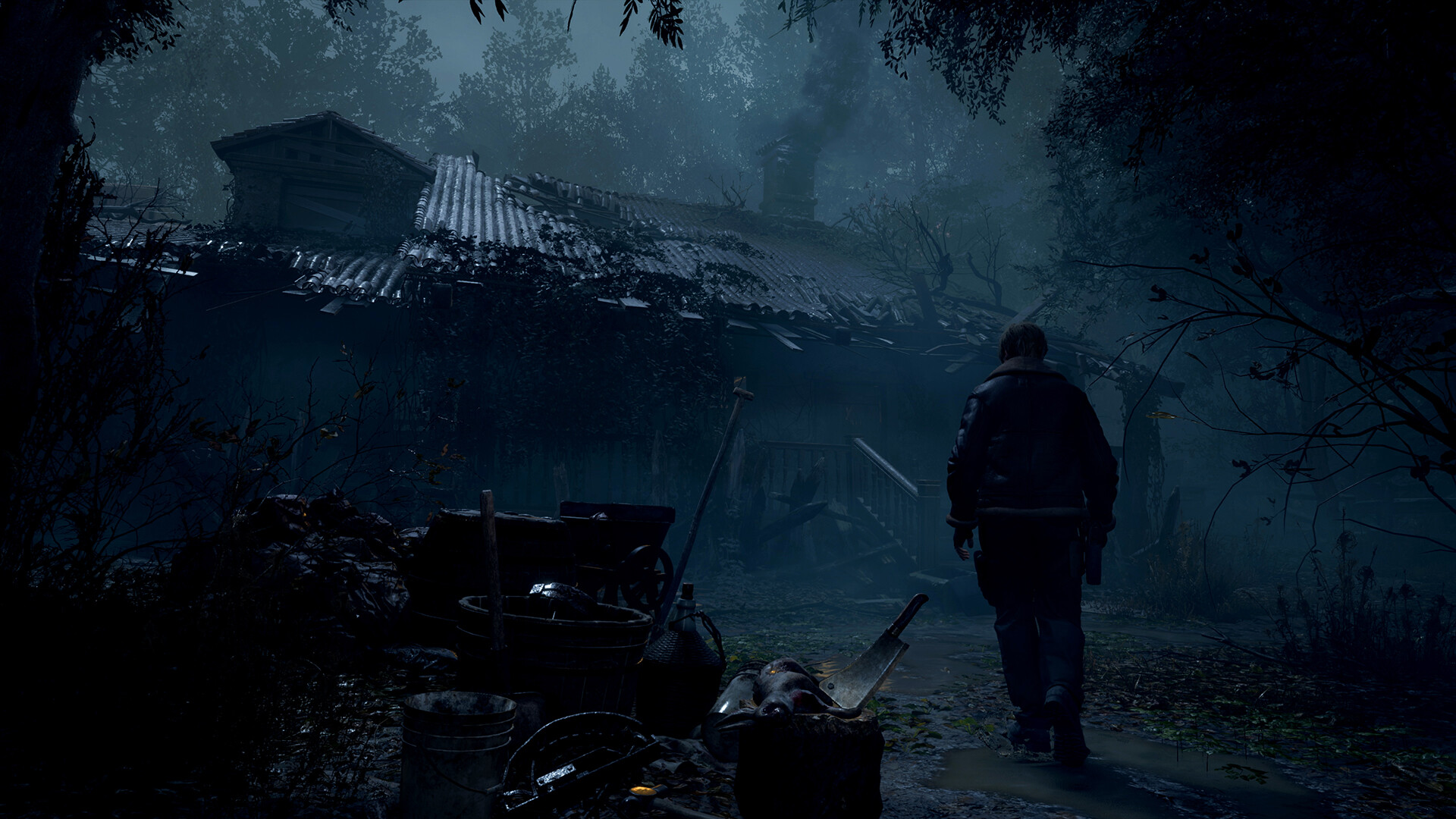
A remake is a new production based on an old design. Resident Evil 4 (2023) is the standard example. Capcom rebuilt the 2005 game with new visuals, a new cast, modernized controls and an updated plot. It had sold 17.15 million copies by October 2026, and its Switch 2 version came out on October 16.
Remakes come in two kinds, and the difference matters when you're deciding what to play.
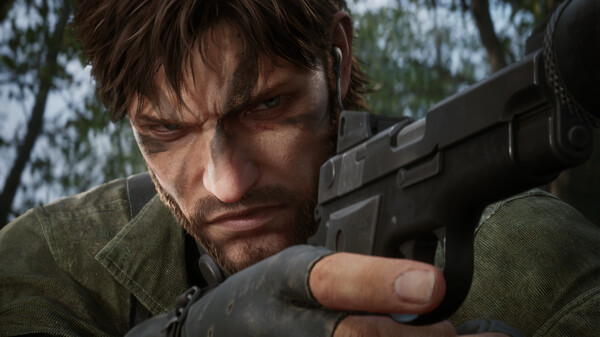
Faithful remakes change how the game looks and feels and leave the content alone. Metal Gear Solid Delta: Snake Eater (2025) moved the 2004 game to Unreal Engine 5 and reused the original voice recordings, so the script and performances are identical. Trails in the Sky 1st Chapter (2025) and this month's Ocarina of Time remake for Switch 2 are in the same camp: the same adventure, rebuilt, with quality-of-life changes such as full camera control.
Reimaginings use the original as source material. Final Fantasy VII Remake turns the opening hours of the 1997 game into a full-length release and changes the plot in ways aimed at people who know the original. Halo: Campaign Evolved (2026) adds new missions and brings in weapons and mechanics from later Halo games. These are closer to new games wearing an old name.
Neither kind is better. A faithful remake is the safer way to experience a classic for the first time. A reimagining gives a returning player something they haven't seen.
What is a reboot?
A reboot restarts a series. It keeps the title and the premise and discards what came before, so a newcomer needs no history. Tomb Raider (2013) retold Lara Croft's origin with a new tone and new mechanics, and had no connection to the 1996 game's plot. The next big one is Fable, due on February 23, 2027. Its Wikipedia summary describes it as a new beginning that doesn't continue the original trilogy's timeline or characters.
Some games sit between a sequel and a reboot. God of War (2018) kept its lead and his history and changed the setting, the camera and the tone so thoroughly that it worked as a fresh start. People call that a soft reboot.
The practical point: if a game is a reboot, you can ignore everything before it.
Why do some "remasters" look like remakes?
Because the labels are marketing choices as much as technical ones.
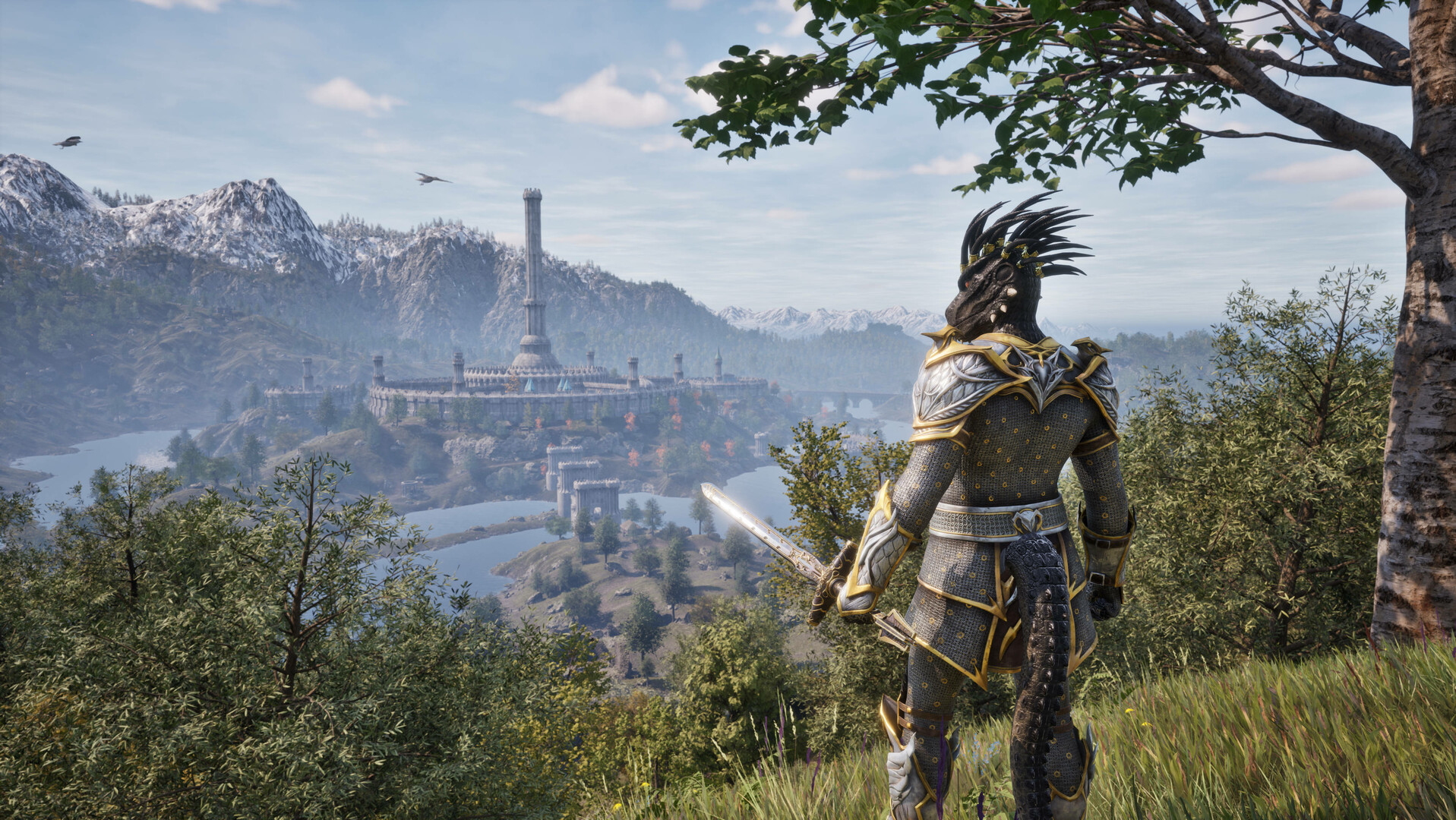
The Elder Scrolls IV: Oblivion Remastered (2025) is the best illustration. It uses Unreal Engine 5 for a complete visual overhaul and adds sprinting and redesigned menus, which sounds like a remake. Underneath, the original engine still runs the game's logic, physics and combat, which is what a remaster does. Bethesda and Virtuos called it a remaster, and by the "what was thrown away" test that's fair, even though it looks like a new game. It reached 4 million players in three days.
Godzilla: Destroy All Monsters Melee Remastered, which we covered in this week's review roundup, goes the other way. It was announced as an Unreal Engine 5 remake of the 2002 game and sold under the word "Remastered."
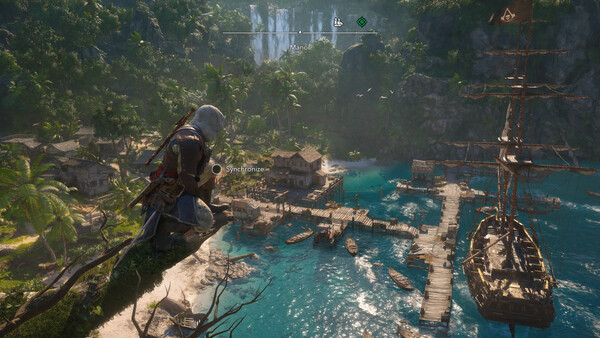
Publishers pick the word that sets the right expectation. "Remaster" promises the game you remember and justifies a lower price. "Remake" promises something new and justifies a higher one. Assassin's Creed Black Flag Resynced avoided both words and invented its own. We looked at the business reasons behind all this in why there are so many video game remakes.
What do "definitive edition," "director's cut" and "enhanced edition" mean?
None of these terms has a fixed meaning, but they tend to follow a pattern.
- Director's cut or complete edition: the same game with added content, such as extra scenes, a new mode or bundled DLC. Yakuza 0 Director's Cut and Zero Parades: Director's Cut are recent examples.
- Definitive edition: usually a remaster with all DLC included. Quality varies a lot; the name is a claim, not a guarantee.
- Enhanced edition or a current-gen upgrade: a technical update for newer hardware, sometimes free to existing owners. GTA V's 2022 console versions are this.
- HD or HD Remaster: an older game brought up to modern resolutions.
- Anniversary edition: anything at all, released in a year ending in the right number.
When in doubt, apply the same test. Does the store page talk about resolution and frame rate, or about rebuilt systems and new content?
How can you tell which one you're buying?
Five minutes on the store page usually settles it.
- Read the developer credit. A remaster or port is often handled by a specialist studio. A remake usually has a full internal team, or the original studio, on it.
- Look at the price. As a rough guide, ports and collections tend to run $20 to $50, remasters $30 to $50, and remakes $50 to $70. A $70 "remaster" should make you look harder.
- Check for an upgrade path. If owners of the original get a cheap or free upgrade, it's a remaster. Remakes are sold as new games.
- Watch a side-by-side comparison. If the animation and level layouts are identical and only the picture is sharper, it's a remaster.
- Read what reviewers say about the controls. Complaints that it "plays like an old game" mean a remaster or a very faithful remake.
Our guide on which version of a game to buy covers the platform side of the same decision.
Is a remake worth buying if you own the original?
It depends on what bothered you about the original.
If the answer is "nothing," you may not need it. A remaster of a game you can already play comfortably is a convenience purchase. Wait for a sale, or take the upgrade if it's $10.
If the old version is hard to go back to, because of the controls, the camera or the hardware it's stuck on, a remake is often the difference between replaying a game and only remembering it. That's the case for Resident Evil 4 and for Ocarina of Time, whose reviews we went through in our Ocarina of Time remake review deep dive.
And if you've never played the original at all, a good remake is almost always the place to start. The exception is a reimagining that assumes you know the source, where the original, or a remaster of it, is the better first stop.
One habit helps with all of this: keep track of which version you played. "I finished Resident Evil 4" means two quite different games now. In Perthro you can log the original and the remake as separate entries, each with its platform and your own notes, so a replay ten years later sits next to the first run instead of overwriting it. Our gaming journal page shows how that looks.
Sources
- Wikipedia: Video game remake
- Wikipedia: Resident Evil 4 (2023 video game)
- Wikipedia: The Last of Us Part II
- Wikipedia: The Elder Scrolls IV: Oblivion Remastered
- Wikipedia: Metal Gear Solid Delta: Snake Eater
- Wikipedia: Halo: Campaign Evolved
- Wikipedia: The Legend of Zelda: Ocarina of Time (2026 video game)
- Wikipedia: The Legend of Heroes: Trails in the Sky
- Wikipedia: Final Fantasy VII Remake
- Wikipedia: Fable (2026 video game)
- Gematsu: Godzilla: Destroy All Monsters Melee Remastered announced
- Steam: Resident Evil 4
- Steam: The Elder Scrolls IV: Oblivion Remastered