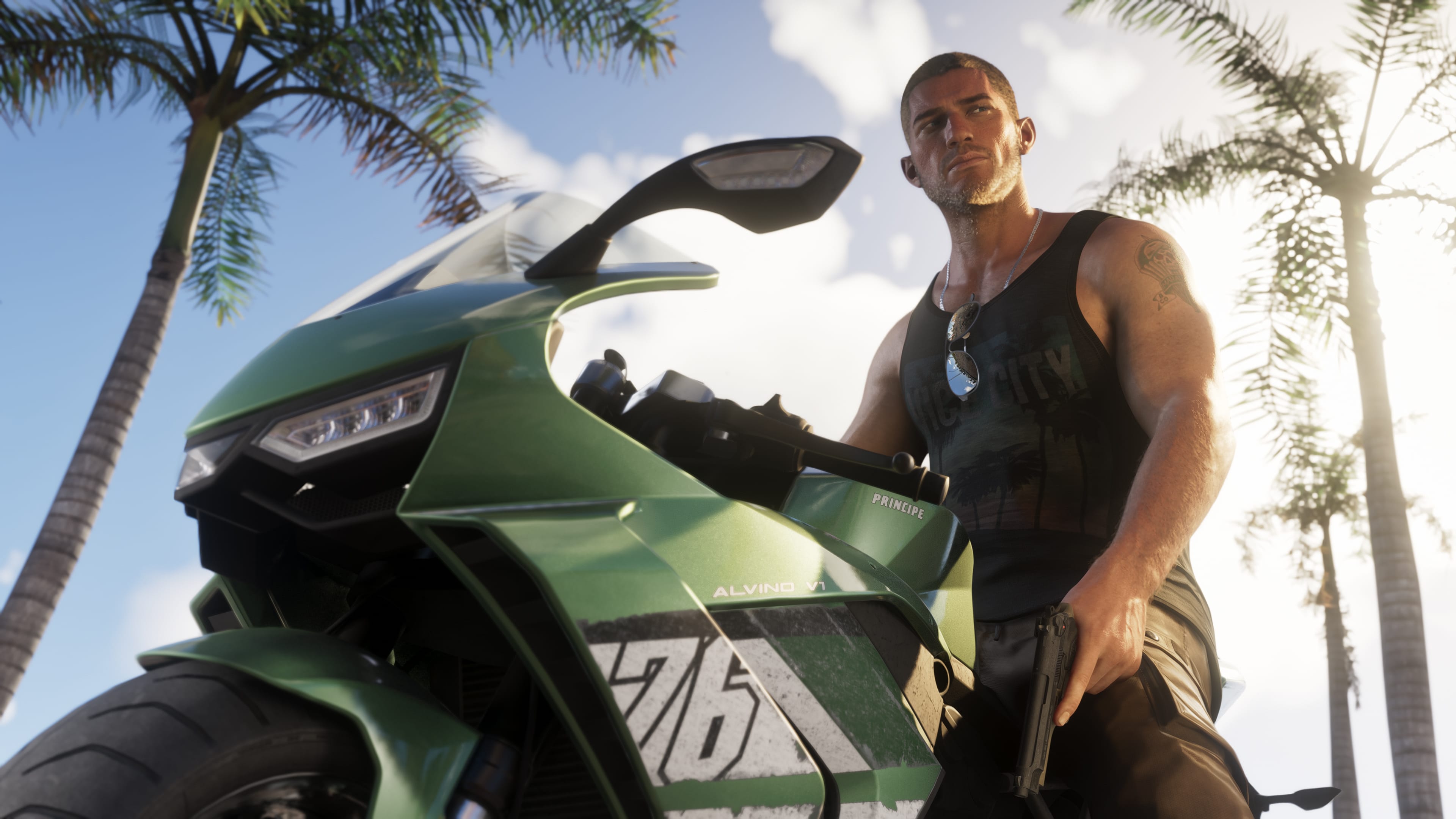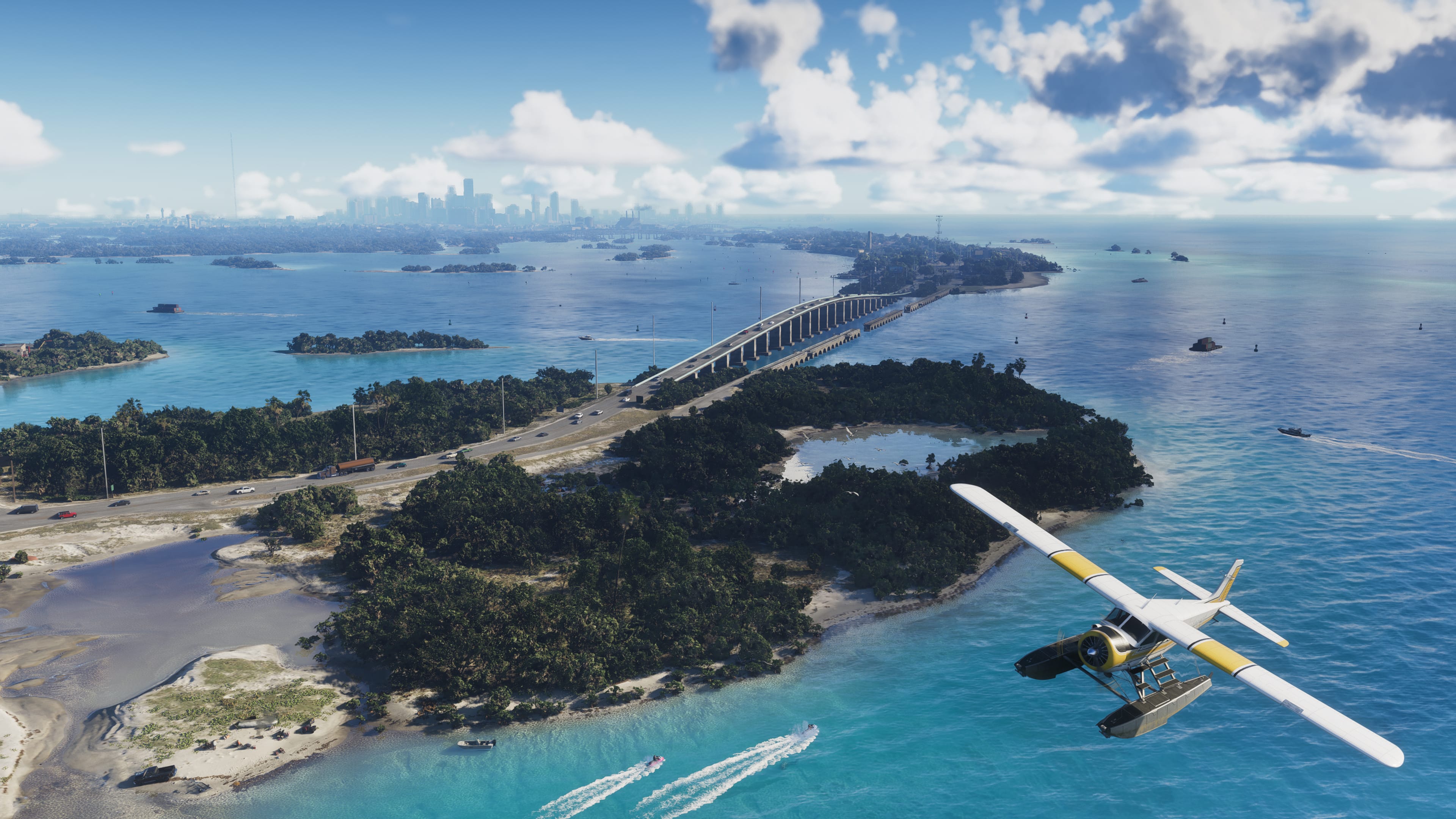
The longest games are often the ones we remember least clearly. Months of evenings blur together, and a year later all that's left is the ending and a couple of highlights. With GTA 6 arriving on November 19, a lot of people are about to start a game they'll be playing well into next year.
The short answer: write a few lines once a week, not after every session. Note where you are, one specific moment and how you felt about it, caption the screenshots you care about, and write one longer entry when you finish. That's about five minutes a week, and it's enough to keep a 100-hour game from shrinking to its ending.
Keeping a journal for a game that long sounds like a lot of work. It doesn't have to be. This guide is about keeping a light record that you'll actually want to read later. For the basics of keeping a game journal in general, see our guide on how to keep a game journal past the first week.
How long is a 100-hour game in real life?
Longer than it sounds. Player-reported completion times put the story of a big open-world game at 30 to 60 hours, and a playthrough with a healthy amount of side content at 50 to 120.
| Game | Main story | Story plus side content | Everything |
|---|---|---|---|
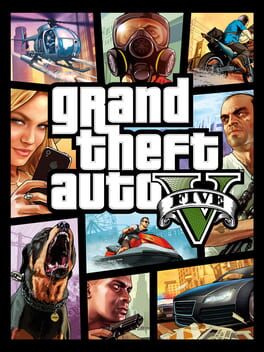
| Grand Theft Auto V | About 32 hours | About 51 hours | About 90 hours |
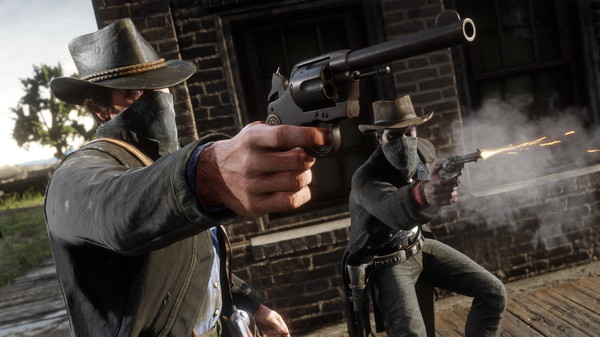
| Red Dead Redemption 2 | About 51 hours | About 85 hours | About 196 hours |
| The Witcher 3: Wild Hunt | About 52 hours | About 104 hours | About 175 hours |
| Elden Ring | About 60 hours | About 101 hours | About 136 hours |
| The Legend of Zelda: Tears of the Kingdom | About 60 hours | About 117 hours | About 247 hours |
| Cyberpunk 2077 | About 26 hours | About 63 hours | About 109 hours |
These are averages of times submitted by players, checked on November 15, and they shift a little as more people report. Nobody outside Rockstar knows yet where GTA 6 will land.
Hours only mean something once you divide them by your week. This is how long 100 hours takes at different paces.
| Hours you play per week | Time to reach 100 hours |
|---|---|
| 4 | About 6 months |
| 7 | About 3 and a half months |
| 10 | About 10 weeks |
| 15 | About 7 weeks |
| 25 | 4 weeks |
At an hour a night, a game you start this week runs until the end of February. That's a whole season of your life, with holidays, work and other games in the middle of it. It's a long time to rely on memory alone.
Why long games are worth writing about
Short games tend to stick as one memory. Long ones don't. Over dozens of sessions, what you remember gets flattened: you'll remember the story, but not the night you spent an hour driving around the coast, or the side character you liked more than the main cast, or the moment you nearly quit.
A few notes along the way keep those things. They also help in practical ways: if you take a break for a few weeks, you'll know where you were and what you were doing. Long games are the ones people most often drop halfway and never return to, and a big reason is that coming back means relearning the controls, the map and the plot all at once. A note that says "heading north to find the smuggler, saving up for the bigger garage" gets you back in within a minute.
Write after sessions, not during
Don't stop the game to write. Play, then jot something down when you're done, or the next morning. A note written a few hours later is usually better anyway: you've had time to notice what stuck.
The one exception is a name or a detail you know you'll lose. A character's name, a place you meant to go back to, a line of dialogue you liked. Put that in your phone on the spot and tidy it up later.
Don't write every session
For a long game, once a week is plenty. Pick a regular moment, like Sunday night, and write a few lines about the week's play. Daily notes for a 100-hour game quickly become a chore, and a chore is the fastest way to stop.
If a session is memorable, write about it that night. If a week is quiet, one line is enough. A journal with gaps in it is still a journal. Skipping two weeks and picking it back up is normal, and nothing needs to be backfilled.
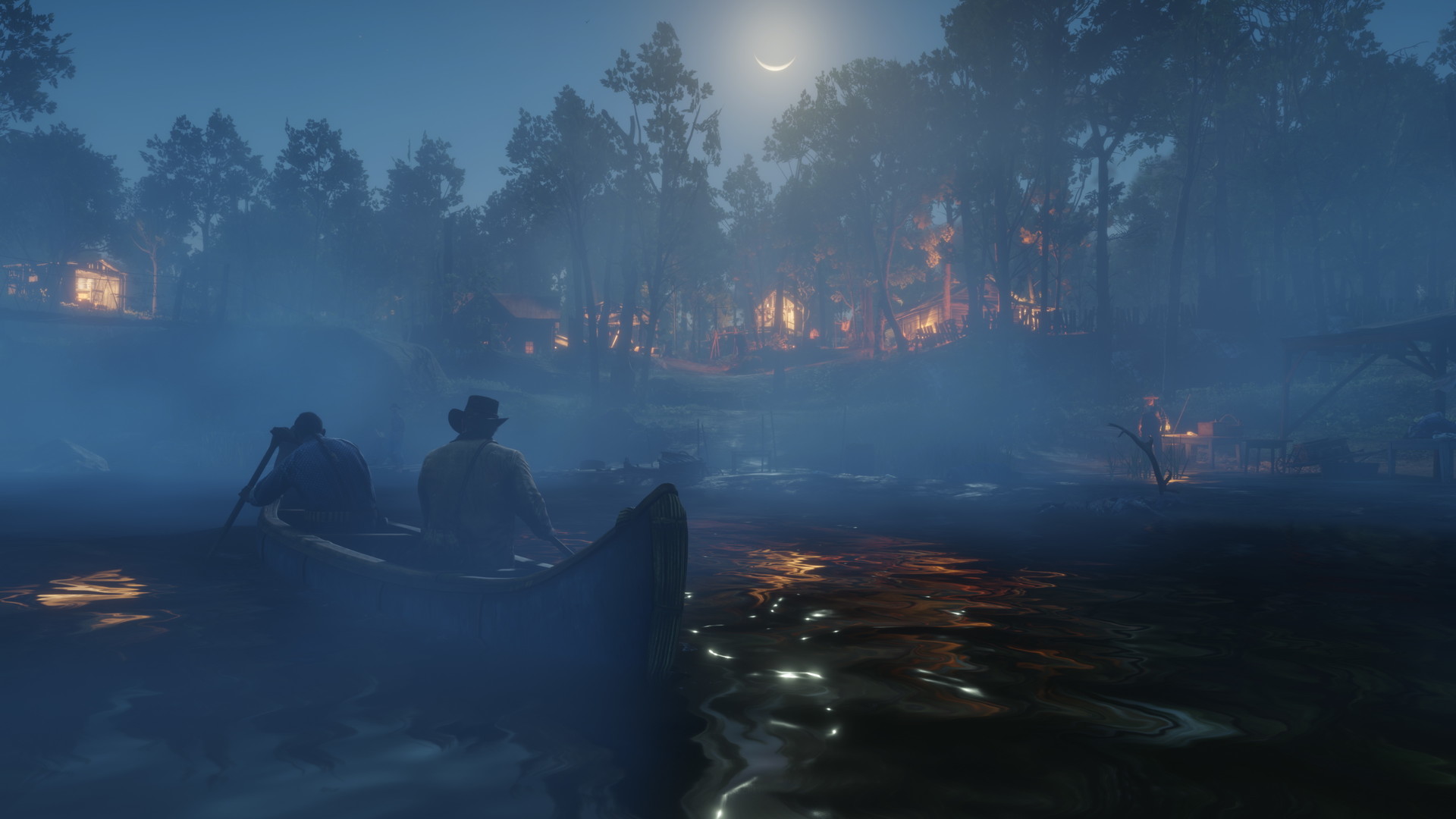
What to write down
You don't need a template, but these prompts work well for open-world games:
- Where you are. Rough progress, like "just finished the second act" or "about 30 hours in."
- One moment. Something specific that happened: a mission, a view, a conversation, a mistake.
- What you're enjoying. The thing that's keeping you playing right now.
- What's annoying you. Just as useful, and often funnier to read later.
- What you want to do next. A side story you want to follow, an area you want to see.
Two or three of these is enough for a weekly note. You don't need all five.
A full weekly entry can be as short as this: "Week 3, about 22 hours in. Finished the heist I'd been putting off and it went wrong in the best way. Still ignoring the main story to drive around at night with the radio on. The stealth missions are wearing thin. Next: finally go and see the swamp."
That's 50 words. It took two minutes, and in a year it will bring back more than the credits will.

Different notes for different stages
A 100-hour game isn't the same game all the way through, and the useful note changes as you go.
| Stage | What it feels like | What's worth noting |
|---|---|---|
| First 10 hours | Everything is new | First impressions, what surprised you, what you expected and didn't get |
| Hours 10 to 40 | You've found your routine | The habits you've fallen into, the side content you keep choosing |
| Hours 40 to 70 | The middle stretch, where most people drift | Whether you're still enjoying it, and what would make you stop |
| The last act | The story takes over | Predictions before the ending, so you can check them afterwards |
| After the credits | Relief, or a small sense of loss | The longer closing note, and a rating |
First impressions are the ones you can't get back later. Once you know a game well, it's very hard to remember what confused or delighted you in the opening hours, so the first entry is worth a little more effort than the rest.
The middle is where the journal earns its keep in a different way. If three weekly notes in a row say you're bored, that's useful information. Our guide on when to stop playing a game covers what to do with it.
Save screenshots with a caption
Open-world games are built for screenshots, and consoles make it easy to take them: the Create button on a PS5 controller, the Share button on an Xbox Series X/S controller, the Capture button on a Switch 2. The problem is that screenshots pile up without context. A year later you'll have 400 pictures of sunsets and no idea why you took any of them.
When you take a screenshot you care about, add one line: where it was, what was happening, why you stopped. It turns a camera roll into something closer to a photo album. Our piece on virtual photography goes into why this is worth doing.
One a week is a good target. Pick the single best screenshot from the week and attach it to that week's note. By the end you'll have 15 or 20 captioned pictures that tell the story of your playthrough in order.
Note your mood, not just the game
One of the best things about a long game journal is how it records your life around the game. "Played all weekend because it rained." "Only got an hour this week, busy at work." "Played with my brother on video call."
Those notes are what make a journal worth rereading. The game will be the same for everyone. When and how you played it is yours.
Keep spoilers out of your own notes
If you plan to share any of this, write it so it's safe to share. Put story details in a separate line or a spoiler-marked section, and keep the top of each note to progress and feelings. Friends who are behind you can then read along without having anything ruined. With a game as big as GTA 6, that matters more than usual, and our guide to avoiding GTA 6 spoilers covers the other side of that problem.
Write a longer note at the end
When you finish, or when you decide you're done, write something longer. It doesn't need to be a review. A paragraph on what the whole thing was like: the best moments, the worst stretch, how you feel about the ending, what you'll remember.
Reread your weekly notes first. You'll find opinions you forgot you had, and the closing note gets easier to write because most of it is already there.
Then give it a rating. If you're not sure how, our guide on how to rate video games has a simple scale. Rating a long game after a day's distance, and not straight after the credits, usually gives a more honest score. Add the hours as well. If you don't know the number, we've explained how to check your playtime on every platform.
Keep it somewhere you'll find it
The best journal is the one you'll actually open again. A notes app works. So does a paper notebook by the console. What matters is that every note for the game lives in one place, with dates on it.
In Perthro, you can write reviews of any length, log hours played and platform, and come back to them later, which suits a long game that you'll be writing about over months. Our gaming journal page shows how it works.
A year from now, you'll be glad you wrote down more than the ending.
Sources
- Rockstar Games: Grand Theft Auto VI
- Completion times are averages of player-submitted playthroughs, checked November 15, 2026
Games in this post
Ratings, reviews and time to beat for each game on Perthro.