Roguelikes and roguelites are both built around runs. Each attempt starts fresh, the levels are randomly generated, and when you die, the run is over. A roguelike, in the strict sense, is a game in the mould of Rogue, the 1980 dungeon crawler: turn-based, played on a grid, and when you die you keep nothing. A roguelite keeps the runs and the randomness but lets something carry over to the next attempt, such as permanent upgrades, new unlocks or story progress.
The short answer: the difference is meta-progression. If a failed run still makes your next one easier, because you bought an upgrade or unlocked a weapon, it's a roguelite. In practice the words blur. Hades calls itself a "rogue-like" despite its permanent upgrades, and plenty of players use "roguelike" for anything with runs and permadeath. Here's where the terms came from, how they drifted, and which games to start with.
What is a roguelike?
The name comes from Rogue, a dungeon crawler made by Michael Toy and Glenn Wichman, with later work by Ken Arnold, around 1980 for Unix systems. You explore randomly generated dungeon floors on a grid of text characters, one move at a time, looking for the Amulet of Yendor. Die, and that character is gone for good. According to the history of the genre, the developers added permadeath after they introduced saving and found players reloading over and over to get the best result.
Rogue inspired NetHack, Angband, ADOM and many others, and by 2008 people disagreed about which games still counted. At the International Roguelike Development Conference in Berlin that year, developers and players drafted the Berlin Interpretation, based on five "canon" games: ADOM, Angband, Linley's Dungeon Crawl, NetHack and Rogue. Its stated aim was modest: "for the roguelike community to better understand what the community is studying."
It lists nine high-value factors:
- Random environment generation
- Permadeath
- Turn-based play
- Grid-based movement
- Non-modal: every action is available wherever you are, with no separate modes for battles or shops
- Complexity, with several ways to solve a problem
- Resource management
- Hack'n'slash combat
- Exploration and discovery, including identifying unknown items
It also lists low-value factors, such as an ASCII display, dungeons and playing a single character. The Interpretation was a scale, not a checklist: missing one factor didn't disqualify a game, and having them all didn't guarantee one counted.
What is a roguelite?
A roguelite is a game with roguelike runs, permadeath and random generation, plus progression that survives death. Lucie Dewagnier, game director of The Rogue: Prince of Persia, gave Game Informer a neat definition of the traditional kind: "a game where you play, you die, you hit replay, but nothing is kept between your attempts." Game Informer's explainer then describes rogue-lites as games that add permanent upgrades and progression systems on top.
What carries over varies a lot:
- Permanent upgrades. In Dead Cells, the Cells you collect from enemies buy upgrades that stay with you, such as extra healing potions.
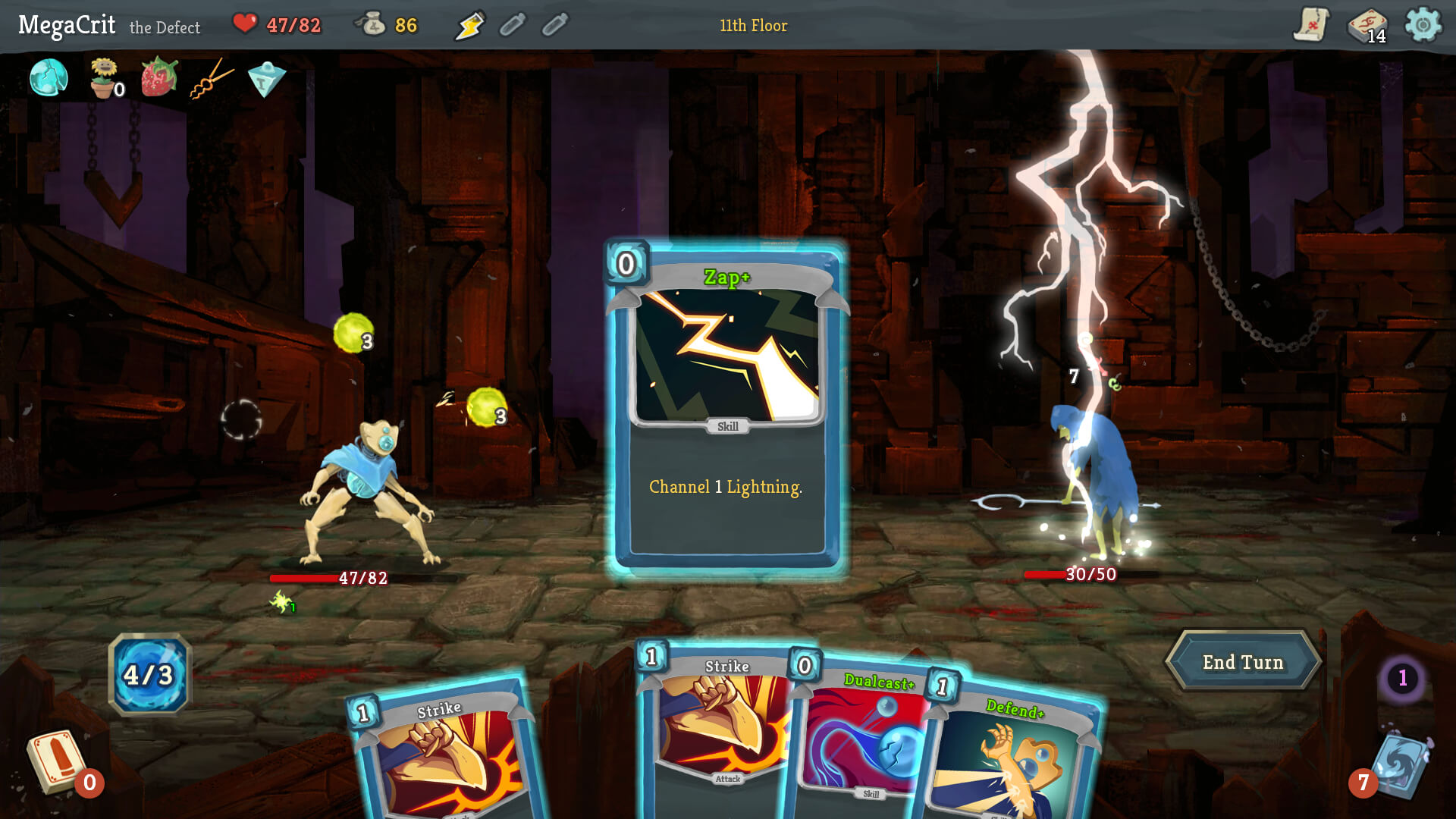
- New options, not new power. Slay the Spire and Balatro unlock new cards, relics, decks and characters as you play, but each run still starts from the same baseline.
- Story. Hades tells much of its story back home between runs, so even a failed escape moves things forward.
Roguelites also tend to drop the turn-based, grid-based parts of the Berlin list, borrowing the run structure for platformers, shooters, card games and even racing games. And their runs are usually shorter, with a fixed shape: a set number of areas, each ending in a boss.
How the words roguelike and roguelite drifted
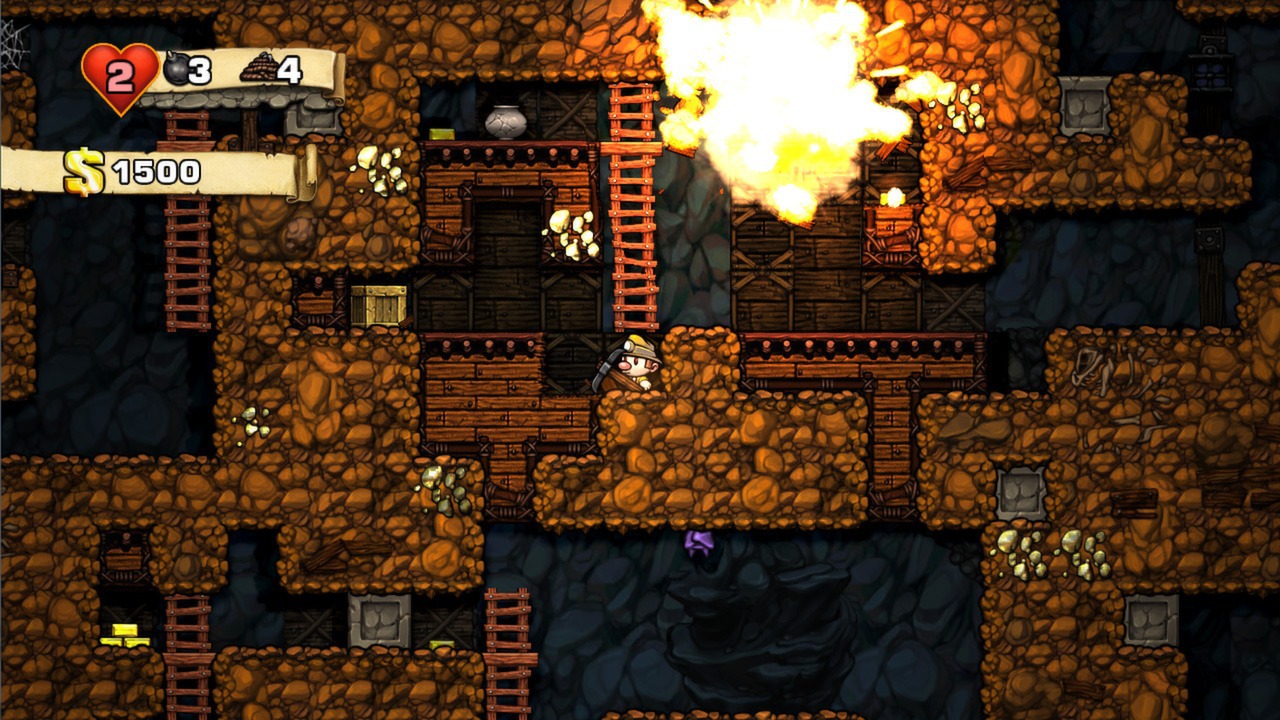
The split started with a wave of indie games around the time of the Berlin conference. Spelunky came out on December 21, 2008, a real-time platformer with random caves and permadeath. Its creator, Derek Yu, liked the random generation of roguelikes but found turn-based dungeon crawling uninteresting. The developers of The Binding of Isaac (2011) and Rogue Legacy have credited Spelunky's approach, and FTL's developers named it as an influence too.
Those games needed a label. FTL: Faster Than Light still describes itself on Steam as a "spaceship simulation roguelike-like." Rogue Legacy, where each time you die your child takes over, calls itself a genealogical rogue-"LITE". Some players also used "procedural death labyrinth" for games that kept permadeath and random levels but little else.
Then the newer games became the mainstream, and the old word followed them. Today Steam has separate tags for Roguelike, Roguelite, Action Roguelike, Roguelike Deckbuilder and Traditional Roguelike. That last one is where you find games in the Berlin mould. Meanwhile, a lot of games with obvious meta-progression call themselves roguelikes anyway, Hades, Hades II and Mewgenics among them.
The drift is still going. Housemarque's Returnal (2021) sent you back to near zero after each death. Its 2026 follow-up, Saros, added an upgrade tree paid for with a resource called Lucenite. Associate design director Matti Hälki explained the thinking to Push Square: "The whole goal with the permanent progression isn't to trivialise the game, it's just offering more agency." Players can also switch many of those unlocks off. Same studio, same style of game, and the lite crept in.
Roguelike vs roguelite: examples
| Game | Released | Turn-based? | What carries over between runs | Roguelike or roguelite? |
|---|---|---|---|---|
| Rogue | c. 1980 | Yes | Nothing | Roguelike: the original |
| Spelunky | 2008 | No, real-time platformer | Very little: a few unlockable characters | Roguelike in spirit, often called a roguelite |
| Dead Cells | 2018 | No | Cells buy permanent upgrades; runes unlock new ways to move | Roguelite (its own description) |
| Slay the Spire | 2019 | Yes, card battles | New cards, relics and characters; Ascension difficulty levels | Roguelike deckbuilder: unlocks add variety, not power |
| Hades | 2020 | No | Permanent upgrades, new weapons, story | Roguelite, though it says "rogue-like" |
| Returnal | 2021 | No | A few pieces of equipment and weapon traits | Close to a roguelike |
| Balatro | 2024 | Yes | New decks, cards and harder stakes | Roguelike: unlocks add variety, not power |
| Hades II | 2025 | No | Same idea as Hades | Roguelite |
| Mewgenics | 2026 | Yes, tactics | Cats that survive retire and breed the next generation | Roguelite, though it says roguelike |
| Saros | 2026 | No | Lucenite buys permanent buffs and abilities | Roguelite |
| Star Wars: Galactic Racer | 2026 | No, racing | Story progress across repeated tours | Roguelite campaign |
A few of these are judgment calls, and that's the point. The labels describe a spectrum, from Rogue's clean slate to games where dying is mostly a trip home to spend your winnings.
For more on the 2026 entries, see our reviews of Mewgenics, Saros and Star Wars: Galactic Racer, whose roguelite campaign won over almost every critic.
Is Hades a roguelike or a roguelite?
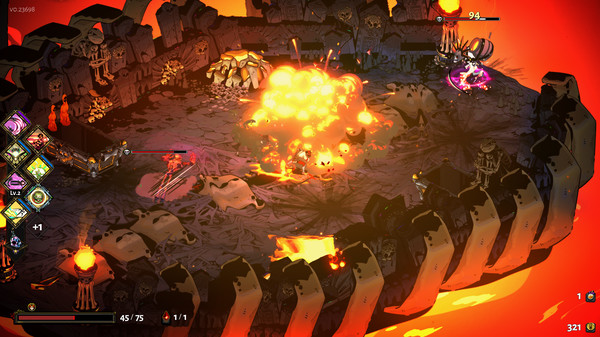
By the meta-progression rule, Hades is a roguelite. Between escape attempts, Zagreus spends what he's found on permanent upgrades and new weapons, and much of the story happens back home, between deaths. Supergiant calls it a "rogue-like dungeon crawler" on its Steam page, and that's fine too. It just shows how far the word has travelled since 2008.
Best roguelites for beginners
If you've bounced off the genre before, these are forgiving places to start.
Hades or Hades II
Both have a God Mode you can switch on at any time: you start with 20% damage resistance, and it rises by 2% after each failed run, up to 80%. You still have to play well, but the game meets you halfway. Hades is on PC, Mac, Switch, PlayStation, Xbox and, through Netflix, iPhone. Hades II reached 1.0 in September 2025 on PC, Mac, Switch and Switch 2, then PS5 and Xbox Series X/S in April 2026. They're $24.99 and $29.99 on Steam.
Balatro
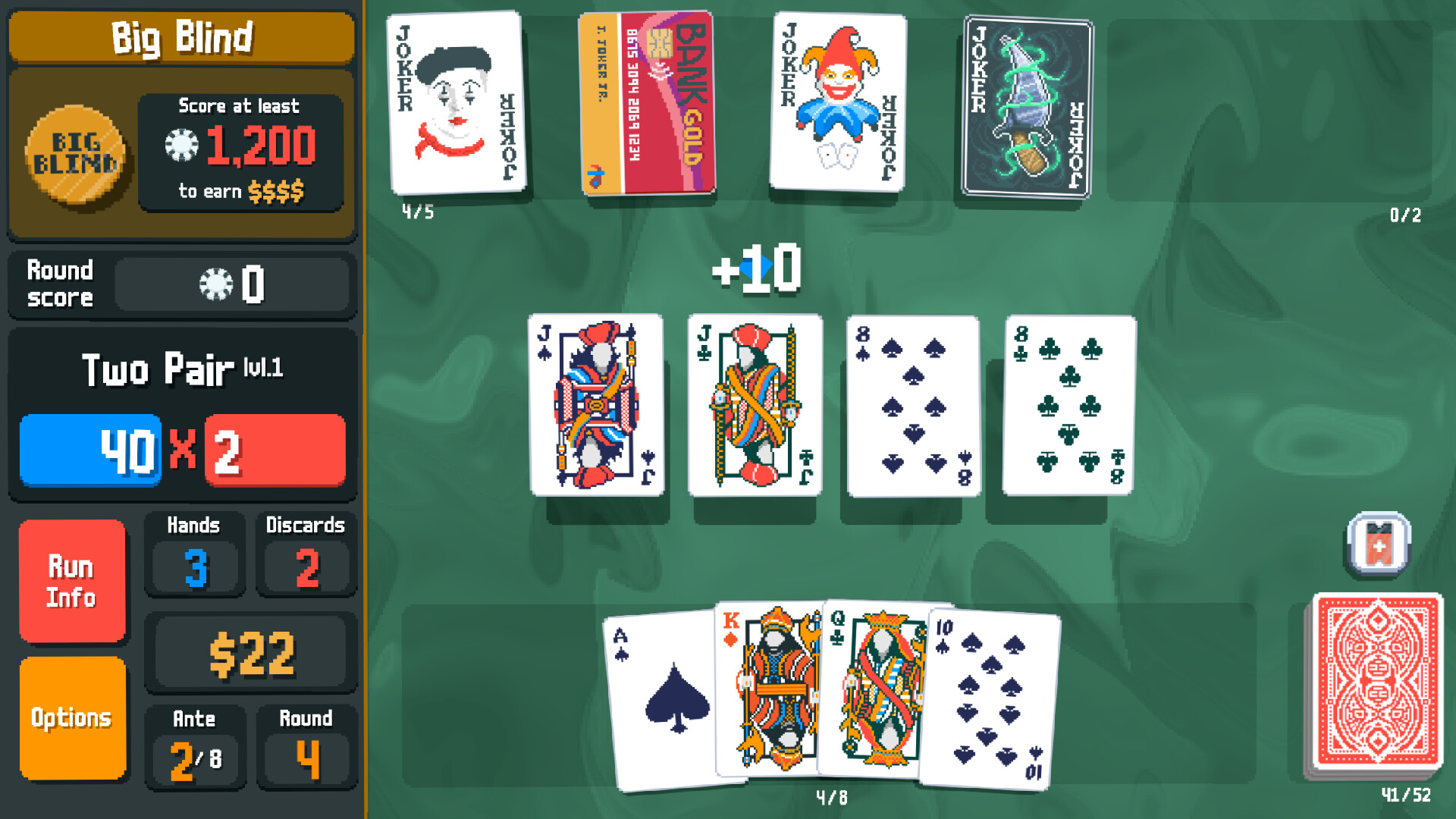
No reflexes needed. You play poker hands for points and build absurd combinations with Jokers, at your own pace. It's $14.99 and on almost everything: PC, Mac, PlayStation, Xbox, Switch, a dedicated Switch 2 version since February 2026, plus iPhone and Android.
Slay the Spire
The game that popularised the roguelike deckbuilder, and still the best way to learn it. Combat is turn-based, so you can think as long as you like, and each run unlocks more cards and relics to find next time. It's on PC, PlayStation, Xbox, Switch, iPhone and Android. Slay the Spire 2 has been in early access on Steam since March 5, 2026, but the first game is the more complete starting point.
Rogue Legacy 2
When you die, you pick one of three heirs to carry on, and whatever you've bought on the skill tree with coins stays unlocked. Its House Rules menu lets you lower enemy health and damage, turn off traits or even grant flight. Nintendo Life's Scott McCrae called them "an incredible accessibility option to have." It's on PC, Xbox, Switch and PlayStation.
If a roguelite still feels too punishing, our guide on how to choose a difficulty setting covers when to turn on options like God Mode without guilt.
When have you finished a roguelite?
It's a fair question, because roguelites rarely end in the usual way. Most people count the first successful run, or the credits that follow a full story, and then keep going on harder modes such as Hades' Pact of Punishment, Slay the Spire's Ascension levels or Balatro's stakes. In Perthro, that maps neatly onto two statuses: mark the game Completed after your first clear, and Mastered when you've beaten the harder modes too. Your gaming journal keeps the hours, which for a good roguelite are usually more than you'd guess.
Sources
- RogueBasin: Berlin Interpretation
- Wikipedia: Roguelike
- Wikipedia: Rogue (video game)
- Wikipedia: Spelunky
- Game Informer: What is the difference between roguelike and rogue-lite?
- Push Square: Saros dev explains how the PS5 game is more approachable than Returnal
- Steam: Rogue Legacy
- Steam: FTL: Faster Than Light
- Steam: Hades
- Steam: Hades II
- Steam: Dead Cells
- Steam: Balatro
- Steam: Mewgenics
- Steam: Slay the Spire 2
- Steam: Traditional Roguelike tag
- Wikipedia: Hades
- Wikipedia: Hades II
- Wikipedia: Dead Cells
- Wikipedia: Slay the Spire
- Wikipedia: Balatro
- Wikipedia: Returnal
- Wikipedia: Mewgenics
- Wikipedia: Star Wars: Galactic Racer
- Wikipedia: Rogue Legacy 2
- Nintendo Life: Rogue Legacy 2 review